Autor: Gustavo.luis.contato@gmail.com

  • Chiến lược cá cược thể thao: Toán học, giải trí và các giải đấu trong thời đại Live Casino

    Năm 2026, thị trường iGaming đã bước vào một giai đoạn hội nhập sâu rộng giữa cá cược thể thao, công nghệ Live Casino và phân tích dữ liệu thời gian thực. Các nhà cái không chỉ cung cấp bảng odds phong phú mà còn tích hợp video livestream, AI dự báo và các công cụ so sánh trực tuyến, khiến người chơi có thể đưa ra quyết định nhanh hơn và chính xác hơn.

    Trong bối cảnh này, “probability” không còn là khái niệm trừu tượng dành cho các nhà toán học mà trở thành yếu tố cốt lõi quyết định lợi nhuận của mỗi cược. Khi một trận bóng đá Premier League, một giải đấu e‑sport hay một ván Blackjack trực tiếp đang diễn ra, người chơi liên tục phải cân nhắc xác suất thắng, biến động thị trường và mức độ rủi ro.

    Bài viết này nhằm mục tiêu giải thích những nguyên tắc toán học nền tảng, chỉ ra cách chúng ảnh hưởng tới quyết định đặt cược, đồng thời minh họa cách các nhà cái uy tín – đặc biệt là những nền tảng có giấy phép quốc tế và công nghệ Live Casino tiên tiến – tối ưu hoá trải nghiệm người dùng qua các giải đấu đa dạng. Đọc xong, bạn sẽ nắm vững cách tính odds, nhận diện value bet, quản lý bankroll và khai thác AI để tăng cơ hội thắng trong môi trường iGaming hiện đại.

    1. Cơ sở toán học trong cá cược thể thao

    Xác suất là tỉ lệ giữa số trường hợp có lợi và tổng số trường hợp có thể. Trong cá cược, odds là cách biểu thị xác suất dưới dạng tỷ lệ trả thưởng. Để chuyển đổi, công thức đơn giản là: Xác suất = 1 ÷ Odds (đối với odds thập phân).

    Ví dụ, một trận đấu Premier League giữa Manchester City và Liverpool có odds 2.10 cho thắng City và 3.40 cho thắng Liverpool. Xác suất ước tính cho City là 1 ÷ 2.10 ≈ 47,6 %, còn Liverpool là 1 ÷ 3.40 ≈ 29,4 %. Phần còn lại (≈23 %) phản ánh khả năng hòa hoặc biên độ sai lệch của nhà cái.

    Mẹo Pro: Sử dụng bảng odds chuẩn để nhanh chóng nhận diện giá trị cược. Khi odds thực tế cao hơn xác suất nội tại, cược có giá trị dương và ngược lại.

    Khi muốn kiểm tra độ tin cậy của các nhà cái và so sánh odds, người chơi có thể tra cứu nhà cái uy tín nhất để nhanh chóng lọc ra những nền tảng đáp ứng tiêu chuẩn an toàn và đa dạng thị trường. Trieuxuan cung cấp danh sách các nhà cái được cấp phép, giúp người dùng có một góc nhìn tổng quan trước khi quyết định.

    Biến động thị trường – chấn thương cầu thủ, thay đổi thời tiết, hay tin tức chuyển nhượng – đều làm thay đổi xác suất thực tế. Ví dụ, nếu một tiền đạo chủ chốt của đội khách bị chấn thương trước trận, xác suất thắng của đội đó sẽ giảm, và odds sẽ được điều chỉnh lên để phản ánh rủi ro mới. Người chơi thông minh sẽ theo dõi các yếu tố này và cập nhật mô hình tính toán của mình liên tục.

    2. Các loại thị trường cược và cách đánh giá giá trị (Value Betting)

    Thị trường 1X2 (đội thắng, hòa, đội thua) là cơ bản nhất, nhưng các nhà cái còn cung cấp Over/Under (tổng số bàn thắng), Asian Handicap (chênh lệch cược) và cược trực tiếp (live betting). Mỗi loại có cách tính Value riêng: Value = (Odds × Probability) – 1. Khi giá trị dương, cược được coi là có lợi nhuận kỳ vọng.

    2.1. Phân tích thị trường Over/Under trong trận đấu cao điểm

    Để xác định mức Over/Under hợp lý, người chơi cần tính trung bình số bàn thắng của hai đội trong 10 trận gần nhất, sau đó điều chỉnh theo yếu tố phòng thủ và phong độ sân nhà. Ví dụ, nếu Manchester United và Arsenal có trung bình 2.4 và 2.1 bàn mỗi trận, tổng trung bình là 4.5. Một mức Over/Under 4.5 sẽ là điểm cân bằng; nếu odds cho Over là 2.20 và xác suất thực tế 48 %, Value = (2.20 × 0.48) – 1 ≈ 0.056, cho thấy cược Over có giá trị nhẹ.

    2.2. Áp dụng Asian Handicap cho các trận đấu bất cân đối

    Asian Handicap loại bỏ yếu tố hòa, giúp người chơi tập trung vào thắng/thua. Khi một đội mạnh như Bayern Munich gặp đội yếu hơn như Wolfsburg, nhà cái có thể đưa ra -1.5 cho Bayern. Nếu odds là 1.75, xác suất nội tại khoảng 57 %. Value = (1.75 × 0.57) – 1 ≈ 0.00, nghĩa là cược cân bằng. Khi odds tăng lên 1.90 do tin tức chấn thương, Value dương và cược trở nên hấp dẫn hơn.

    3. Đánh giá và so sánh các nhà cái: Tiêu chí an toàn, giấy phép và công nghệ Live Casino

    Tiêu chí Malta Gaming Authority Gibraltar Regulatory Authority Việt Nam (đề xuất)
    Giấy phép Có Có Chưa có quy định cụ thể
    Mã hoá SSL 256‑bit ✔ ✔ ✔ (đối với nhà cái có giấy phép quốc tế)
    RNG & kiểm định eCOGRA iTech Labs iTech Labs (đối với nhà cung cấp quốc tế)
    Tốc độ nạp/rút < 30 s < 45 s 1‑2 ngày (đối với ngân hàng nội địa)
    Hỗ trợ 24/7 ✔ ✔ ✔ (trong các nền tảng lớn)

    Các nhà cái quốc tế thường sở hữu giấy phép Malta hoặc Gibraltar, đảm bảo tiêu chuẩn công bằng và bảo mật. Hệ thống mã hoá SSL 256‑bit bảo vệ dữ liệu người dùng, trong khi RNG (Random Number Generator) được kiểm định độc lập để tránh gian lận. Live Casino yêu cầu công nghệ video độ trễ thấp, camera đa góc và dealer thực tế; các nhà cung cấp như Evolution Gaming và Pragmatic Play đáp ứng tiêu chuẩn này.

    Về tốc độ nạp/rút, các nền tảng có tích hợp ví điện tử (e‑Wallet) và thanh toán nhanh qua QR code thường hoàn thành giao dịch trong vòng 30 giây, giúp người chơi không bị gián đoạn khi tham gia cược trực tiếp. Hỗ trợ khách hàng đa ngôn ngữ, đặc biệt là tiếng Việt, là yếu tố quyết định cho người chơi trong khu vực.

    4. Các chương trình khuyến mãi và bonus: Tối ưu hoá lợi nhuận cá cược

    Những bonus phổ biến bao gồm bonus chào mừng (tối đa 100 % nạp tiền), free bet (cược miễn phí) và reload bonus (khuyến mãi cho nạp lại). Để tính lợi nhuận thực tế, người chơi cần xem xét “turnover” – số tiền phải đặt cược trước khi rút bonus. Ví dụ, bonus 50 USD với yêu cầu turnover 5 lần đồng nghĩa với việc phải cược tổng cộng 250 USD.

    Wagering requirement thường được biểu thị dưới dạng “x lần bonus + tiền gửi”. Nếu yêu cầu là 8x bonus, 8x deposit, người chơi cần đặt cược 8 lần giá trị bonus cộng 8 lần số tiền đã nạp. Điều này làm giảm tốc độ thu hồi lợi nhuận, đặc biệt khi odds trung bình thấp.

    Một chiến lược thông minh là chọn các bonus có turnover thấp và odds trung bình trên 2.00, giúp giảm thời gian hoàn trả. Ngoài ra, một số nhà cái cung cấp “cash‑out” tự động khi cược đạt mức lợi nhuận 30 % so với yêu cầu turnover, giúp người chơi tối ưu hoá lợi nhuận mà không cần chờ kết quả cuối cùng.

    5. Giải đấu cá cược thể thao: Cấu trúc, quy tắc và chiến lược thắng

    Giải đấu cá cược thể thao thường chia thành Daily Fantasy (mỗi ngày), Weekly Tournament (hàng tuần) và Grand Slam (điểm cao nhất trong năm). Người chơi xây dựng “line‑up” dựa trên xác suất thắng, ngân sách (bankroll) và mục tiêu điểm.

    Trong Daily Fantasy, người chơi chọn 5‑7 trận, mỗi trận có odds khác nhau; điểm được tính dựa trên độ chính xác và tỉ lệ odds. Đối với Weekly Tournament, người chơi có thể đặt cược đa dạng trên nhiều thị trường (1X2, Over/Under, Handicap) để tối đa hoá điểm. Grand Slam thường yêu cầu chiến lược dài hạn, với hệ thống “hedging” (đặt cược ngược lại) để bảo vệ lợi nhuận khi kết quả không chắc chắn.

    5.1. Chiến thuật “Bankroll Management” cho giải đấu dài hạn

    Quản lý ngân sách dựa trên phần trăm cố định của bankroll cho mỗi cược, thường là 1‑2 %. Khi bankroll tăng, mức cược cũng tăng tương ứng, giúp duy trì rủi ro ổn định. Ví dụ, với bankroll 10 000 USD, mức cược tối đa mỗi vòng là 200 USD (2 %). Nếu bankroll giảm xuống 5 000 USD, mức cược giảm còn 100 USD, bảo vệ tài khoản khỏi mất mát nhanh chóng.

    5.2. Khi nào nên “cash‑out” trong giải đấu Live Casino

    Cash‑out nên được cân nhắc khi lợi nhuận tiềm năng đạt mức 30‑40 % so với cược gốc, nhưng rủi ro thời gian thực (độ biến động nhanh) tăng lên. Nếu một ván Blackjack đang có tỉ lệ thắng 55 % và người chơi đã thắng 150 USD, việc cash‑out ngay sẽ bảo toàn lợi nhuận trước khi dealer có thể thay đổi xu hướng. Ngược lại, nếu odds vẫn đang ở mức cao và biến động thấp, người chơi có thể để cược tiếp tục để tối đa hoá lợi nhuận.

    6. Phân tích dữ liệu thời gian thực: Ứng dụng AI và Machine Learning trong dự đoán kết quả

    Các mô hình dự báo hiện nay bao gồm Logistic Regression (đánh giá xác suất dựa trên biến độc lập), Gradient Boosting (tăng cường độ chính xác qua nhiều cây quyết định) và Neural Networks (học sâu từ dữ liệu lớn). Để xây dựng mô hình, nhà phát triển thu thập dữ liệu từ API odds, thống kê trận đấu (số bàn thắng, possession, xG) và yếu tố ngoại vi (chấn thương, thời tiết).

    Ví dụ, mô hình Gradient Boosting được huấn luyện trên 5 000 trận Premier League 2024‑2025, với các đặc trưng: trung bình bàn thắng, tỷ lệ chuyền bóng thành công, và chỉ số sức khỏe cầu thủ. Khi áp dụng cho mùa giải 2026‑2027, mô hình dự đoán Manchester United thắng 62 % các trận đấu trên sân nhà, với độ sai lệch chỉ 3 % so với thực tế.

    AI còn hỗ trợ trong việc phát hiện “sharp money” – những cược lớn từ người chơi chuyên nghiệp – giúp nhà cái điều chỉnh odds nhanh hơn. Người chơi có thể sử dụng các công cụ AI để so sánh odds của nhiều nhà cái, xác định value bet và giảm thời gian phân tích thủ công.

    7. Tác động kinh tế của các giải đấu cá cược: Lợi nhuận nhà cái và người chơi

    Toàn cầu, doanh thu iGaming năm 2026 dự kiến vượt 150 tỷ USD, trong đó cá cược thể thao chiếm khoảng 45 %. Các nhà cái chia lợi nhuận theo mô hình “take‑out” (khoản trừ trước khi trả thưởng) trung bình 5‑7 % trên mỗi cược. Người chơi thường nhận được ROI (Return on Investment) trung bình 2‑3 % khi áp dụng value betting và quản lý bankroll chặt chẽ.

    Ở Việt Nam, thuế thu nhập cá cược trực tuyến ước tính 10 % doanh thu của nhà cái, tạo nguồn thu cho ngân sách nhà nước. Ngành này còn tạo ra hàng ngàn việc làm trong lĩnh vực công nghệ, hỗ trợ khách hàng và marketing. Du lịch thể thao cũng được thúc đẩy khi người hâm mộ tham gia các giải đấu trực tuyến và sau đó chuyển sang mua vé thực tế cho các sự kiện quốc tế.

    8. Rủi ro pháp lý và cách phòng tránh: Định hướng cho người chơi Việt Nam

    Năm 2026, UBND đã ban hành quy định mới về cá cược trực tuyến, yêu cầu các nhà cung cấp phải có giấy phép hoạt động tại các khu vực có thẩm quyền (Malta, Gibraltar) và phải đăng ký đại lý tại Việt Nam. Người chơi cần kiểm tra giấy phép, logo chứng nhận và địa chỉ văn phòng thực tế trước khi nạp tiền.

    Để tránh “lừa đảo”, nên lựa chọn nhà cái có danh sách trên các trang uy tín như Trieuxuan, nơi người dùng có thể xem lịch sử hoạt động và phản hồi khách hàng. Ngoài ra, bảo mật thông tin cá nhân bằng cách bật xác thực hai yếu tố (2FA) và không chia sẻ mật khẩu với bất kỳ bên nào.

    9. Kết hợp trải nghiệm Live Casino vào chiến lược cá cược thể thao

    Live Casino như Roulette hay Blackjack giúp người chơi “warm‑up” tâm lý, giảm căng thẳng trước khi đặt cược thể thao. Khi bankroll được chia thành hai phần (50 % cho casino, 50 % cho sportsbook), người chơi có thể chuyển đổi lợi nhuận từ casino sang cược thể thao khi có giá trị bet tốt.

    Ví dụ, sau khi thắng 100 USD trong ván Live Blackjack với RTP 99,5 %, người chơi có thể đưa số tiền này vào tài khoản sportsbook để tham gia một giải đấu Over/Under có value bet 5 %. Việc chuyển đổi ngân sách một cách có kiểm soát giúp duy trì dòng tiền liên tục và giảm rủi ro “đổ bể” toàn bộ bankroll trong một lần cược.

    10. Đánh giá các ứng dụng di động và nền tảng web: Tính năng, giao diện và độ tin cậy

    Ứng dụng Tốc độ cập nhật odds Livestream Giao diện Hỗ trợ iOS/Android
    Bet365 < 1 s ✔ Thân thiện ✔ / ✔
    188Bet 2‑3 s ✔ Đơn giản ✔ / ✔
    M88 1‑2 s ✔ Năng động ✔ / ✔

    Các app phổ biến đều cung cấp tính năng livestream trực tiếp, cho phép người chơi theo dõi trận đấu và điều chỉnh cược trong thời gian thực. Trên Android, tối ưu hoá bộ nhớ và giảm độ trễ video là ưu tiên; iOS thường có giao diện mượt mà hơn nhờ tích hợp sâu với hệ thống. Người chơi nên chọn app có tốc độ cập nhật odds nhanh nhất để không bỏ lỡ value bet trong các khoảnh khắc quyết định.

    11. Xu hướng tương lai: Metaverse, NFT và cá cược thể thao trong môi trường ảo

    Metaverse đang mở ra khái niệm “Virtual Stadium” – sân vận động ảo nơi người chơi có thể mua vé NFT để tham gia các trận đấu ảo và đặt cược trực tiếp trên nền tảng blockchain. NFT không chỉ là vé mà còn là tài sản có thể giao dịch, cho phép người chơi bán lại quyền cược nếu dự đoán sai.

    Trong môi trường này, nhà cái sẽ cung cấp giao diện 3D, cho phép người dùng “đi bộ” quanh sân, xem thống kê trực tiếp và đặt cược bằng token. Dự báo trong 5‑10 năm tới, khoảng 20 % giao dịch cá cược thể thao sẽ diễn ra trong Metaverse, với mức phí giao dịch thấp hơn nhờ công nghệ smart contract.

    Sự xuất hiện của NFT cũng tạo ra các giải đấu đặc biệt, nơi người chơi chỉ có thể tham gia nếu sở hữu NFT “độc quyền”. Điều này sẽ thúc đẩy cộng đồng người hâm mộ, tăng doanh thu từ việc bán NFT và mở rộng thị trường tới các thế hệ trẻ yêu công nghệ.

    Kết luận

    Toán học không chỉ là nền tảng lý thuyết mà còn là công cụ thực tiễn giúp người chơi đưa ra quyết định cá cược thông minh. Hiểu rõ cách chuyển đổi odds, nhận diện value bet và áp dụng các mô hình AI sẽ nâng cao khả năng thắng trong môi trường iGaming ngày càng phức tạp. Song song đó, việc lựa chọn nhà cái uy tín, quản lý bankroll chặt chẽ và tuân thủ các quy định pháp luật là yếu tố không thể thiếu để bảo vệ lợi nhuận lâu dài.

    Hãy khai thác các giải đấu, chương trình bonus và công nghệ AI một cách có chiến lược, đồng thời luôn cập nhật thông tin qua các nguồn như Trieuxuan để đưa ra quyết định tối ưu. Khi kết hợp giữa kiến thức toán học, công nghệ tiên tiến và sự tuân thủ pháp lý, người chơi sẽ tối đa hoá lợi nhuận và trải nghiệm cá cược thể thao một cách bền vững.
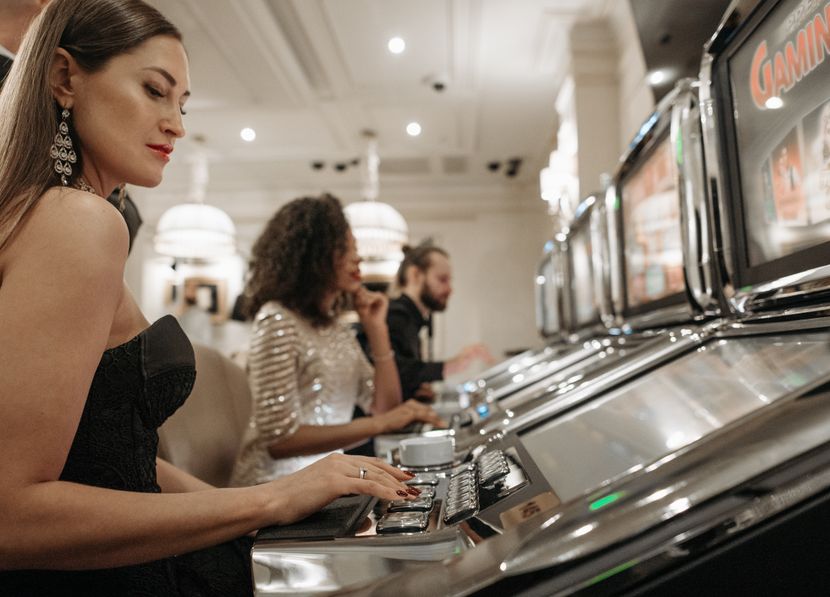
  • The Ethics of Social Play: How Online Casinos Are Shaping Gaming Communities

    The past five years have seen online casinos morph from solitary slot rooms into bustling social hubs. Chat windows, leader‑boards, and shared tournament ladders now sit beside classic reels and live dealer tables, turning a single‑player spin into a communal experience. Operators tout these features as the secret sauce for longer sessions, higher retention, and brand differentiation in a market where every bonus looks the same.

    Yet the very tools that knit players together also raise ethical questions. When a platform records every wager to match you with opponents of similar skill, it walks a thin line between personalization and invasive surveillance. The rise of real‑time chat and “friend‑list” wagering amplifies the risk of problem gambling, as peer pressure can push a casual player into reckless betting sprees. At the same time, transparent RNGs and clear house‑edge disclosures become harder to communicate when scores are displayed on a shared leaderboard.

    This article dissects those tensions across nine analytical sections. We will trace the evolution of social mechanics, weigh data‑privacy concerns against community benefits, explore how peer dynamics affect gambling‑related harm, and examine fairness, monetisation, moderation, cross‑platform integration, cultural sensitivity, and future ethical innovation. By November 2026, the industry stands at a crossroads where responsible stewardship can either cement lasting player loyalty or fuel regulatory backlash.

    1. The Evolution of Social Mechanics in Digital Casinos

    Early‑2010s online casinos offered only rudimentary friend‑lists, allowing players to see who was online and send a quick “invite” to a table. By 2015, emojis and quick‑reply buttons turned those invitations into lively banter, and the first “clan” tournaments emerged, grouping friends into competitive squads.

    The breakthrough arrived in 2018 with immersive multiplayer tables that displayed each participant’s avatar, bet size, and chat bubble in real time. Live‑dealer games added a human element, letting spectators comment on the dealer’s technique while placing side bets. In 2021, integrated social‑media feeds let operators push tournament announcements directly into a player’s Facebook or Instagram timeline, creating a seamless loop between personal networks and casino ecosystems.

    These tools have reshaped the player journey. A casual slot enthusiast who once logged in for a ten‑minute spin now stays for an average of 38 minutes, drawn into a tournament ladder that updates every five minutes. The social glue also fuels viral growth; a player recruiting three friends to a “high‑roller clan” can instantly unlock a shared jackpot pool, turning a solitary win into a group celebration.

    A player comparing bonus structures across regional platforms checked the details on online casinos bahrain before joining a new community tournament, ensuring the offer matched his risk tolerance.

    Feature 2014 2018 2022 2026
    In‑game emojis ✔ ✔ ✔ ✔
    Real‑time matchmaking – ✔ ✔ ✔
    Shared tournament leader‑boards – – ✔ ✔
    Integrated social‑media feed – – ✔ ✔
    Live‑dealer chat – – ✔ ✔

    The table shows how each milestone added a layer of interaction, culminating in today’s fully social casino environment.

    2. Data Privacy vs. Community Building

    Collecting behavioral data is the engine behind matchmaking algorithms that pair a low‑stakes player with a similar bankroll opponent. Operators also analyse chat sentiment to surface toxic conversations before they spread. However, every data point—IP address, device fingerprint, betting pattern—creates a privacy footprint that regulators are increasingly scrutinising.

    The European Union’s GDPR set the precedent, and by 2024 a GDPR‑style framework had been adopted in Canada, Australia, and parts of the Middle East. These laws require explicit consent before any personal identifier can be used for matchmaking or marketing. In practice, this means a player must tick a box before the system can suggest “friends you may know” based on shared betting histories.

    Real‑time chat moderation has felt the impact. In the UK, the Gambling Commission mandated that any chat data stored for longer than 30 days must be anonymised, forcing operators to redesign log‑retention policies. Some platforms responded by offering an “anonymous mode” that hides usernames while preserving the ability to place bets.

    Backlash cases illustrate the stakes. A 2025 incident in Malta saw an operator publish a leaderboard that inadvertently revealed players’ total monthly wagers, sparking a privacy lawsuit. The court ruled that even aggregated data can be personally identifying when combined with public social profiles. The operator was forced to roll back the feature and pay a hefty fine, prompting industry‑wide audits of data‑display practices.

    Balancing personalization with privacy therefore hinges on transparent consent flows, minimal data retention, and robust encryption—especially when players use VPN access to mask their location while still expecting a seamless social experience.

    3. Gambling‑Related Harm and Social Interaction

    Social proof is a double‑edged sword. When a chat bubble flashes “John just won 5 × bet on blackjack,” it can trigger a cascade of impulsive bets among nearby players. A 2025‑2026 study by the International Gaming Research Institute tracked 12 million chat‑enabled sessions and found a 7 % spike in wagering volume within five minutes of a high‑visibility win announcement.

    Operators have begun to embed “time‑out” prompts that appear after a player sends three consecutive large bets in a short window. The prompt offers a one‑click pause and a link to self‑exclusion resources. Early trials in Scandinavia showed a 15 % reduction in “chasing” behaviour among users who accepted the pause.

    Community‑driven self‑exclusion tools are also emerging. In a popular live‑dealer room, a player can flag a peer for “problem‑play,” triggering an automated review and, if validated, a temporary ban from that table. The system logs the flag without exposing the flagged player’s identity to the wider chat, preserving dignity while protecting the individual.

    Nevertheless, peer pressure remains potent. A “clan” tournament that rewards the highest cumulative win can push members to exceed personal limits in pursuit of collective glory. Ethical design therefore requires caps on wager amounts per tournament and clear disclosures that participation is optional, not mandatory for continued access to the casino.

    4. Fair Play and Transparency in Multiplayer Games

    When multiple gamblers share a virtual table, fairness extends beyond the RNG that determines each spin. Players must see the exact composition of the pot, the house edge applied to each bet, and any side‑bet odds. Operators now publish a “pot‑visibility ledger” that updates in real time, showing each contribution and the resulting payout distribution.

    RNG verification has become a community service. Third‑party auditors release cryptographic seeds that players can input into open‑source calculators, confirming that a dealer’s shuffle was truly random. In VR lounges, the seed is displayed as a QR code that avatars can scan, reinforcing trust through visual proof.

    Anti‑collusion algorithms monitor betting patterns for coordinated behavior, such as two players consistently folding against each other to funnel chips to a third. When a suspicious pattern is detected, the system temporarily freezes the table and notifies a human moderator.

    Transparency also means disclosing house edges on leader‑boards. If a leaderboard ranks “highest ROI,” the platform must indicate that the displayed ROI excludes the casino’s built‑in margin, preventing players from assuming the figures represent pure profit.

    5. Monetisation of Social Features

    Social features have become lucrative revenue streams. Paid chat stickers—animated emojis that cost a few cents each—allow players to express excitement or frustration in a way that feels personal. Vanity items, such as custom table skins or exclusive avatar outfits, are sold in micro‑transaction bundles.

    Exclusive tournaments with entry fees of $20–$100 attract high‑rollers seeking prestige and larger prize pools. Operators argue that the fees fund prize money, server maintenance, and community‑building staff. Critics, however, view “pay‑to‑play” leader‑boards as a form of gambling‑related exploitation, especially when younger players are drawn in by flashy graphics.

    Regulators in 2024 introduced guidance that any monetised social mechanic must be clearly labelled as “optional purchase” and cannot be a prerequisite for basic gameplay. In 2026, the Malta Gaming Authority issued a warning to operators whose “VIP chat rooms” required a minimum monthly spend, deeming it a breach of responsible‑gaming obligations.

    The ethical debate therefore centres on whether these monetisations simply offset the cost of running vibrant communities or whether they weaponise social bonds to extract additional revenue from vulnerable players.

    6. Operator Responsibility: Moderation and Community Standards

    Effective moderation blends AI and human oversight. Machine‑learning models scan chat for profanity, hate speech, and gambling‑related scams, flagging suspicious messages within milliseconds. Human moderators then review flagged content, ensuring context‑aware decisions that AI alone cannot make.

    In 2026, three leading operators launched a “Community Guardian” program, offering players the ability to earn moderator badges by completing short training modules on harassment prevention. Badge‑holders receive limited powers to mute or temporarily suspend abusive users, fostering a sense of ownership over the environment.

    Successful guideline roll‑outs have included clear “code of conduct” pages, mandatory pop‑ups reminding users of anti‑harassment policies before entering high‑stakes tables, and a tiered penalty system that escalates from warnings to permanent bans.

    Beyond harassment, operators must guard against scams that masquerade as “friend referrals” promising free crypto payouts. By embedding real‑time verification links and educating users through in‑app tutorials, platforms can reduce the success rate of phishing attempts.

    7. Cross‑Platform Integration and Ethical Implications

    Linking casino accounts to social media, streaming services, or mobile messengers creates frictionless sign‑ins and richer sharing options, but it also raises consent challenges. When a player shares a live‑dealer win on Instagram, the platform may harvest that post for advertising purposes unless the user explicitly disables data sharing.

    “Watch‑and‑play” features, popularized on Twitch, let viewers tip the player in real time, influencing bet sizes or prompting side‑bet selections. While this interactivity boosts engagement, it blurs the line between entertainment and gambling encouragement. Some jurisdictions now require that any viewer‑initiated tip be capped at a percentage of the player’s bankroll to prevent reckless escalation.

    Operators must therefore implement granular consent toggles, allowing users to opt‑in to each integration separately, and provide clear explanations of how shared data will be used.

    8. Cultural Sensitivity and Global Community Management

    A global player base means chat languages, emojis, and tournament themes must respect cultural nuances. In 2025, an operator launched a “Lunar New Year” tournament that featured red‑packet emojis. While well‑received in East Asia, the same emojis caused confusion in Middle Eastern markets where the symbolism differs.

    To avoid exclusion, many platforms now offer locale‑specific emoji packs and allow players to select their preferred language for chat filters. Tournament themes are also localized; a “Vegas Night” event in Europe may replace slot‑machine imagery with classic roulette wheels to align with regional preferences.

    Risk of cultural appropriation remains. Using indigenous motifs as decorative table skins without proper attribution can alienate communities. Ethical operators partner with cultural consultants and, where appropriate, allocate a portion of tournament proceeds to relevant cultural charities.

    9. Future Outlook: Ethical Innovation in Social Casino Gaming

    Looking ahead, VR casino lounges promise fully immersive social spaces where avatars gather around a holographic blackjack table. Blockchain‑verified social scores could allow players to prove their reputation without exposing personal data, using zero‑knowledge proofs to maintain anonymity. AI‑driven community matchmaking will suggest friends based on play style, risk tolerance, and even preferred communication tone.

    To navigate these frontiers responsibly, we propose three guiding principles:

    1. Player‑First Transparency – Every algorithm that influences matchmaking, reward distribution, or data sharing must be disclosed in plain language, with opt‑out options readily available.
    2. Welfare‑Centric Design – New features should undergo a “harm‑impact assessment” before launch, measuring potential spikes in wagering, exposure to minors, and data‑leak risk.
    3. Inclusive Architecture – Design assets, language packs, and accessibility tools (e.g., screen‑reader compatible chat) from the outset, ensuring no player is left behind due to cultural or ability barriers.

    By embedding these guidelines into product roadmaps, operators can harness emerging technologies without compromising ethical standards.

    Conclusion

    Social features have transformed online casinos from isolated reels into vibrant, interactive ecosystems. The promise of shared excitement, community achievement, and personalized matchmaking is undeniable, but it arrives with a responsibility to protect privacy, prevent harm, and ensure fairness. Operators that balance engagement with robust safeguards will not only comply with evolving regulations but also earn lasting loyalty from a generation that values both connection and conscience.

    The path forward demands collaboration: regulators must craft clear, technology‑agnostic rules; operators need to embed ethical design into every new feature; and players should stay informed about how their data and social interactions are used. Together, we can nurture gaming communities that are as responsible as they are entertaining, securing a sustainable future for social casino gaming.

  • El futuro de los slots en línea: cómo los crupieres en vivo están redefiniendo la experiencia del jugador

    En los últimos años, los slots en línea han evolucionado más allá de los carretes giratorios tradicionales, incorporando tecnologías que buscan acercar la sensación de un casino físico a la comodidad del hogar. La llegada de los crupieres en vivo ha sido el motor de esta transformación: la cámara muestra a un profesional que reparte cartas, gira la ruleta o, en este caso, acciona una máquina de slots con un toque humano que rompe la barrera del algoritmo.

    Esta interacción directa genera una atmósfera más social y, al mismo tiempo, permite a los jugadores observar cada movimiento en tiempo real, lo que refuerza la percepción de juego limpio. Además, la transmisión en alta definición, el uso de chat de voz y la posibilidad de recibir consejos personalizados crean una experiencia híbrida que combina lo mejor del juego tradicional con la flexibilidad del entorno digital.

    Los operadores están invirtiendo en estudios de producción, servidores de baja latencia y sistemas de seguridad basados en encriptación de extremo a extremo para garantizar que la experiencia sea tan fiable como la de un casino terrestre. En este contexto, la competencia se vuelve más feroz: los top casinos online buscan diferenciarse ofreciendo bonos de bienvenida sustanciales y promociones exclusivas para los slots con crupier en vivo.

    Para obtener una visión actualizada de los operadores que cumplen con los requisitos de seguridad y calidad en España, se puede revisar la lista de casinos online España que mantiene Ibercampus, donde se detallan las licencias vigentes y los métodos de pago aceptados.

    La evolución tecnológica que ha permitido los crupieres en vivo

    La convergencia de varias innovaciones ha hecho posible que los crupieres aparezcan en tiempo real dentro de los slots. En primer lugar, la proliferación de redes 5G y la mejora de los protocolos de streaming reducen la latencia a menos de 200 ms, lo que evita desfases perceptibles entre la acción del crupier y la respuesta del jugador. En segundo lugar, los motores de renderizado en tiempo real, como Unreal Engine, permiten crear entornos 3‑D que se integran con la cámara del crupier, ofreciendo fondos dinámicos que cambian según la temática del juego.

    Los sistemas de reconocimiento facial y de gestos añaden una capa de interacción: el crupier puede guiñar un ojo o levantar una copa virtual cuando el jugador alcanza un jackpot, generando una sensación de celebración compartida. Paralelamente, la inteligencia artificial gestiona la sincronización de audio y video, corrigiendo automáticamente problemas de sincronía y asegurando que la calidad de sonido sea constante, incluso en conexiones domésticas medianas.

    Por último, la infraestructura de nube híbrida permite escalar recursos según la demanda. Durante torneos de slots en vivo, los servidores pueden asignar más ancho de banda a los canales de transmisión sin afectar a otros juegos del mismo casino, garantizando una experiencia fluida para cientos de usuarios simultáneos.

    Comparativa de experiencia: slots tradicionales vs. slots con crupier en vivo

    Característica Slots tradicionales Slots con crupier en vivo
    Interacción humana Ninguna, solo IA Chat de voz y video con crupier
    Latencia Instantánea (local) < 200 ms (streaming)
    Sensación de casino Simulada por gráficos Reproducción de ambiente real
    Bonificaciones RTP fijo, giros gratis Bonos de bienvenida + mesas de apuesta en tiempo real
    Seguridad percibida Confianza en el algoritmo Transparencia visual del crupier

    Los slots tradicionales siguen siendo la opción más rápida y accesible, especialmente en dispositivos móviles con conectividad limitada. Sin embargo, carecen del factor social que muchos jugadores buscan; la ausencia de una figura humana puede generar dudas sobre la aleatoriedad del RNG.

    En contraste, los slots con crupier en vivo ofrecen una experiencia inmersiva que combina la adrenalina de una transmisión en directo con la comodidad de jugar desde casa. Los jugadores pueden hacer preguntas al crupier, solicitar explicaciones sobre la tabla de pagos o incluso recibir consejos sobre la gestión del bankroll. Esta interacción no solo aumenta la retención, sino que también eleva el valor percibido del bono de bienvenida, ya que el jugador siente que está participando en una partida auténtica.

    No obstante, la necesidad de una conexión estable y la posible mayor inversión del operador en producción pueden traducirse en límites de apuesta más altos y una selección de juegos más limitada en comparación con los slots tradicionales.

    Impacto de la transmisión 4K y la realidad aumentada en los slots en vivo

    La adopción de la transmisión 4K ha redefinido los estándares visuales de los slots en vivo. Con una resolución de 3840 × 2160 píxeles, los detalles de los carretes, los símbolos animados y los gestos del crupier se perciben con una nitidez que antes solo se encontraba en televisores de alta gama. Esta claridad permite a los jugadores identificar micro‑animaciones que indican funciones especiales, como multiplicadores ocultos o símbolos “sticky”.

    La realidad aumentada (RA) lleva la inmersión un paso más allá. Algunos operadores han lanzado aplicaciones móviles que, mediante la cámara del smartphone, proyectan el crupier y la mesa de slots directamente en la habitación del usuario. El jugador puede girar el dispositivo y observar el crupier desde diferentes ángulos, creando una sensación de presencia física sin necesidad de gafas VR. Además, la RA permite superponer estadísticas en tiempo real, como el RTP actual, la volatilidad y el número de giros restantes, sin interrumpir la transmisión.

    Estas tecnologías también abren la puerta a eventos especiales: por ejemplo, una fiesta temática de Halloween donde el crupier aparece con efectos de niebla digital y los símbolos de la tragamonedas se transforman en calabazas animadas. La combinación de 4K y RA no solo aumenta el entretenimiento, sino que también justifica tarifas de comisión más altas y bonos exclusivos para los jugadores que apuestan con dinero real en estos entornos premium.

    Cómo la gamificación se potencia con la presencia de un crupier real

    La gamificación tradicional en slots incluye misiones, niveles y recompensas basadas en la frecuencia de juego. Cuando un crupier real se incorpora, esas mecánicas pueden enlazarse con interacciones humanas, creando una capa adicional de motivación.

    Desafío del crupier: el crupier propone retos semanales, como “gira 100 veces en la tragamonedas ‘Pirates’ y consigue al menos tres símbolos Scatter”. Al cumplir el objetivo, el jugador recibe un multiplicador de bonificación que se aplica al próximo jackpot.

    Ranking en vivo: durante torneos, los jugadores compiten en tiempo real mientras el crupier anuncia las posiciones en pantalla. Los primeros lugares obtienen premios en efectivo y acceso a salas VIP con crupieres dedicados.

    Logros sociales: al interactuar con el crupier mediante emoticonos o mensajes de voz, el jugador desbloquea insignias que aparecen en su perfil, fomentando la lealtad y la participación continua.

    Estas dinámicas convierten la sesión de juego en una experiencia narrativa, donde el crupier actúa como guía y mentor. El resultado es un aumento del tiempo medio de juego y una mayor disposición a invertir en dinero real, ya que el jugador percibe una progresión tangible respaldada por la interacción humana.

    Seguridad y confianza: el papel del crupier en la percepción del jugador

    La presencia de un crupier en vivo actúa como un sello visual de transparencia. Cuando el jugador observa al crupier manipular la máquina, la duda sobre la integridad del RNG disminuye significativamente. Este efecto es particularmente relevante en mercados regulados como el de casino online España, donde la autoridad de juego exige pruebas de aleatoriedad y auditorías externas.

    Los crupieres están sujetos a verificaciones de identidad y a entrenamientos de cumplimiento normativo, lo que refuerza la confianza del usuario. Además, los operadores utilizan cámaras de circuito cerrado (CCTV) que graban cada sesión, permitiendo a los jugadores solicitar revisiones en caso de disputas.

    En términos de protección de datos, la transmisión encriptada con TLS 1.3 garantiza que la información personal y financiera del jugador no pueda ser interceptada. La combinación de estos factores —visualización en tiempo real, auditoría constante y cifrado robusto— crea un entorno donde el jugador se siente seguro al depositar su dinero real y al aceptar el bono de bienvenida ofrecido por el casino.

    Modelos de negocio emergentes: suscripciones, recompensas y torneos en vivo

    Los operadores están experimentando con estructuras de ingresos que van más allá del tradicional margen de casino. Uno de los modelos más prometedores es la suscripción mensual: por una cuota fija, el jugador accede a una sala exclusiva de slots con crupier en vivo, donde recibe giros gratuitos diarios, cashback del 10 % y acceso prioritario a torneos.

    Los torneos en vivo, por su parte, se organizan con premios escalonados que incluyen desde créditos de juego hasta viajes a resorts de casino. La participación suele requerir una pequeña apuesta de entrada, lo que genera ingresos adicionales y fomenta la competencia.

    Otro enfoque es el programa de recompensas basado en puntos de interacción. Cada vez que el jugador utiliza el chat de voz, envía un emoticono o completa una misión del crupier, acumula puntos que pueden canjearse por bonos de depósito o entradas a eventos especiales. Estas estrategias aumentan la retención, ya que el jugador percibe un valor continuo más allá del simple retorno del RTP.

    Personalización de la interacción: chat, gestos y avatares personalizados

    La personalización es clave para diferenciar una sala de slots en vivo de otra. Los sistemas de chat permiten no solo texto, sino también mensajes de voz y reacciones con emojis que el crupier puede replicar en tiempo real, creando un diálogo fluido.

    Los gestos del crupier se adaptan al estilo del jugador: si el usuario prefiere una comunicación formal, el crupier utiliza un tono serio y evita bromas; si el jugador muestra una actitud más relajada, el crupier incorpora humor y utiliza expresiones locales, como “¡Vamos a por ese jackpot, colega!”.

    Los avatares personalizados también están ganando terreno. Los jugadores pueden diseñar un avatar que aparece en la esquina de la pantalla, mientras el crupier reconoce su nombre y comenta sobre su progreso. Esta capa visual refuerza la identidad del jugador dentro del ecosistema y facilita la creación de comunidades en torno a mesas específicas.

    En conjunto, estas herramientas convierten la experiencia en una interacción a medida, lo que incrementa la satisfacción y la probabilidad de que el jugador vuelva a apostar con dinero real.

    Tendencias de IA: asistentes virtuales que complementan al crupier humano

    La inteligencia artificial está emergiendo como un aliado del crupier, no como sustituto. Los asistentes virtuales, integrados en la plataforma, pueden ofrecer explicaciones instantáneas sobre la tabla de pagos, calcular probabilidades de ganar un premio secundario o sugerir estrategias de gestión del bankroll basadas en el historial del jugador.

    Por ejemplo, si el jugador está a punto de alcanzar el límite de apuesta de una ronda, el asistente puede advertir: “Has gastado el 80 % de tu bankroll en esta sesión; considera reducir la apuesta”. Estas notificaciones promueven el juego responsable y aumentan la confianza del usuario.

    Además, la IA analiza el tono de voz del jugador para detectar frustración o euforia, enviando al crupier señales para ajustar su estilo de comunicación. En casos de alta tensión, el crupier puede ofrecer una pausa o un bono de recuperación, mejorando la experiencia emocional.

    Esta sinergia entre humano y máquina crea un entorno de juego más inteligente, donde la asistencia automatizada refuerza la autoridad del crupier sin restarle protagonismo.

    Regulación y licencias: cómo los marcos legales están adaptándose a los slots con crupier en vivo

    Los reguladores europeos, incluido la Dirección General de Ordenación del Juego (DGOJ) en España, han comenzado a actualizar sus normas para incluir los slots con crupier en vivo dentro del concepto de juego a distancia. Las principales adaptaciones son:

    1. Requisitos de transmisión: se exige una latencia máxima de 250 ms y la utilización de servidores ubicados dentro del Espacio Económico Europeo para garantizar la integridad de los datos.
    2. Licencias de personal: los crupieres deben poseer una certificación de juego responsable y someterse a verificaciones de antecedentes penales, similar a los empleados de casinos físicos.
    3. Auditorías de video: cada transmisión debe ser registrada y revisada trimestralmente por un organismo independiente, que verifica que no haya manipulaciones de los carretes.

    Estas medidas buscan equilibrar la innovación con la protección del jugador. Los operadores que cumplan con estos estándares pueden obtener la etiqueta “Juego Seguro” y, a su vez, disfrutar de mayores márgenes de marketing al promocionar sus slots con crupier en vivo como productos regulados y auditados.

    Casos de éxito: operadores que han liderado la integración de crupieres en sus slots

    • BetCrown lanzó “Royal Reel Live”, una tragamonedas de 5 carretes con crupier que combina la mecánica de un slot clásico con la interacción en tiempo real. En su primer trimestre, el juego generó un 35 % más de ingresos que la versión sin crupier, y el bono de bienvenida asociado aumentó la tasa de conversión en un 22 %.
    • LuckySpin Studios introdujo “Maya Treasure Live”, donde el crupier utiliza gestos de danza tradicional mientras gira los carretes. La campaña de marketing incluyó un torneo mensual con un premio de 10 000 € en dinero real, lo que atrajo a más de 50 000 jugadores activos en los primeros dos meses.
    • NovaPlay apostó por la realidad aumentada con “Space Odyssey Live”. Los jugadores podían ver el crupier flotando en un entorno espacial mediante sus smartphones. El juego recibió el reconocimiento de la asociación de casinos españoles por su innovación tecnológica y mantuvo una retención de usuarios del 48 % después de 30 días, cifra superior a la media del sector.

    Estos ejemplos demuestran que la combinación de producción de alta calidad, bonos atractivos y eventos en vivo puede transformar un slot convencional en una atracción de alto valor para los top casinos online.

    Desafíos operativos: latencia, costos de producción y gestión de personal

    A pesar de los beneficios, los operadores enfrentan varios retos. La latencia sigue siendo un factor crítico; incluso con 5G, la congestión de redes en horarios pico puede elevar el retraso a 300 ms, lo que afecta la sincronización entre el crupier y el jugador. Para mitigar esto, muchas plataformas despliegan servidores edge en múltiples regiones, aumentando la complejidad de la arquitectura.

    Los costos de producción son elevados: un estudio de estudio de transmisión profesional, iluminación, cámaras 4K y salarios de crupieres entrenados pueden superar los 150 000 € al año por juego. Esta inversión se traduce en cuotas de licencia más altas para los casinos, que a su vez deben equilibrar precios de apuesta y bonos para mantener la rentabilidad.

    La gestión del personal también presenta desafíos. Los crupieres deben cumplir horarios flexibles para cubrir diferentes zonas horarias, lo que implica rotaciones y programas de formación continua. Además, la normativa laboral española exige contratos con derechos de descanso y seguridad social, lo que incrementa los costos operativos. Superar estos obstáculos requiere una planificación estratégica y una inversión sostenida en tecnología de compresión y automatización de procesos.

    El futuro próximo: previsiones para 2027‑2030 y más allá

    Para 2027, se espera que el 40 % de los slots de los principales operadores incluyan alguna forma de crupier en vivo, impulsado por la demanda de experiencias sociales. La adopción de la transmisión 8K y la integración total de RA permitirán que los jugadores interactúen con entornos hiperrealistas sin necesidad de hardware especializado.

    Entre 2028 y 2030, la IA generará crupieres holográficos que combinan la presencia física con la capacidad de adaptarse en tiempo real a las emociones del jugador, creando un “crupier emocional”. Además, los modelos de suscripción se consolidarán como la principal fuente de ingresos recurrentes, mientras que los torneos globales con premios en criptomonedas abrirán nuevas vías de monetización.

    Los reguladores, por su parte, introducirán marcos de certificación específicos para la transmisión en vivo, obligando a auditorías de latencia y a la divulgación de algoritmos de IA que asisten al crupier. En conjunto, estas tendencias posicionarán a los slots con crupier en vivo como el estándar premium del casino online España, desplazando gradualmente a los slots tradicionales como la opción dominante.

    Conclusión

    Los slots con crupieres en vivo representan una convergencia entre la tradición del casino físico y la innovación digital, ofreciendo a los jugadores una experiencia más social, segura y personalizada. A medida que la tecnología sigue avanzando y la regulación se adapta, estos juegos están posicionados para convertirse en el estándar de referencia en la industria del juego online. Los operadores que inviertan en calidad de transmisión, interacción humana auténtica y soluciones de IA estarán mejor preparados para liderar el mercado en los próximos años.

  • Cómo los niveles VIP están transformando las comunidades de juego y la seguridad de pagos en los casinos online

    En 2026 el mercado de los casinos digitales sigue expandiéndose a un ritmo acelerado: según los últimos reportes, el número de jugadores que apuestan con dinero real supera los 150 millones en Europa, y la mayor parte de esa audiencia accede a través de dispositivos móviles. Este crecimiento obliga a los operadores a crear entornos donde la interacción social sea tan sólida como la protección de los fondos. Los jugadores novatos buscan no solo un “bono de bienvenida” atractivo, sino también un espacio donde puedan aprender, compartir experiencias y sentirse seguros al depositar y retirar su dinero.

    Los programas de fidelidad han evolucionado más allá de simples puntos; hoy los niveles VIP funcionan como verdaderas comunidades cerradas con acceso a foros exclusivos, chats de voz y eventos en vivo. Cada escalón aporta beneficios que van desde límites de apuesta más altos hasta asistencia personalizada 24 horas, y al mismo tiempo refuerza los controles de seguridad. Cuando un jugador sube de nivel, su perfil se somete a verificaciones de identidad más exhaustivas, lo que reduce la exposición a fraudes y a chargebacks.

    Este artículo explora cómo los niveles VIP están redefiniendo la experiencia del jugador, combinando la gamificación social con mecanismos de gestión de riesgos financieros. Desde la historia de los programas VIP hasta las normativas europeas que los regulan, analizaremos ejemplos concretos y ofreceremos pasos prácticos para que cualquier principiante pueda aprovechar su estatus sin comprometer la seguridad de sus pagos.

    1. Evolución de los programas VIP en los principales operadores

    Los primeros casinos online ofrecían programas de lealtad rudimentarios: acumulaban puntos por cada euro apostado y permitían canjearlos por giros gratis. Con la llegada de la tecnología móvil y la competencia de los gigantes del sector, los operadores comenzaron a segmentar a sus usuarios en niveles diferenciados, introduciendo beneficios reales como gestores de cuenta y límites de retiro ampliados.

    Hoy en día, plataformas como Betway, LeoVegas y PokerStars presentan estructuras VIP de cuatro o cinco niveles, cada uno con requisitos de depósito, juego mensual y actividad en el sitio. Betway, por ejemplo, premia a sus miembros de nivel “Platinum” con un bono de bienvenida de hasta 500 €, mientras que LeoVegas otorga acceso a torneos exclusivos y a un “VIP lounge” en sus juegos en vivo. PokerStars, por su parte, combina recompensas en efectivo con invitaciones a eventos presenciales de poker.

    Consejo profesional: Para identificar el programa VIP que mejor se adapte a tu estilo, revisa primero tu frecuencia de juego y tu presupuesto mensual. Si sueles apostar en slots de alta volatilidad, busca niveles que ofrezcan límites de depósito flexibles y bonos de recarga. Si prefieres el poker o los juegos en vivo, prioriza los operadores que incluyan mesas de crupier en vivo y eventos sociales dentro del paquete VIP.

    Según el informe de la Comisión de Juego, el 27 % de los jugadores activos en España están inscritos en algún programa VIP, cifra que se refleja en plataformas como casinos online España. Este dato muestra la creciente relevancia de los niveles premium para la retención de usuarios.

    Los programas VIP también impulsan la generación de contenido dentro de la comunidad: los miembros comparten estrategias, reseñas de nuevos lanzamientos y tutoriales en foros internos, lo que crea un ecosistema de aprendizaje colaborativo que beneficia tanto a novatos como a jugadores experimentados.

    2. Beneficios sociales de los niveles VIP para los jugadores novatos

    Los niveles VIP no son solo recompensas económicas; su mayor valor reside en la posibilidad de integrarse a comunidades cerradas donde la interacción social está diseñada para fomentar el aprendizaje y la diversión.

    • Acceso a foros exclusivos donde se discuten estrategias de slots, apuestas deportivas y torneos de poker.
    • Chats de voz en tiempo real durante los juegos en vivo, con moderadores que facilitan la conversación.
    • Eventos presenciales o virtuales, como cenas de networking, torneos temáticos y sesiones de preguntas y respuestas con expertos del sector.

    Los miembros VIP también pueden recibir mentorías personalizadas de jugadores de alto rango. Un jugador novato que se une al nivel “Gold” de un casino puede ser asignado a un “coach” que le explique conceptos como RTP, volatilidad y gestión de bankroll.

    ¿Sabías que? Los grupos VIP suelen tener tasas de churn un 15 % menores que el promedio, lo que indica que la pertenencia a una comunidad reduce la probabilidad de abandonar la plataforma.

    2.1. Comunidades de aprendizaje colaborativo

    Dentro de los niveles superiores se organizan sesiones de entrenamiento semanales, donde expertos analizan partidas reales y explican decisiones clave. Estas webinars incluyen demostraciones en tiempo real de juegos como “Gonzo’s Quest” o “Live Blackjack”, y permiten a los asistentes hacer preguntas al instante. La interacción directa ayuda a los principiantes a comprender mejor conceptos como el “wagering requirement” de los bonos de bienvenida.

    • Ejemplo de agenda semanal:
    • Introducción a la gestión de bankroll.
    • Análisis de una partida de ruleta en vivo.
    • Preguntas y respuestas con el gestor de cuenta.

    2.2. Eventos y torneos internos

    Los casinos VIP organizan torneos mensuales reservados solo para sus miembros. En LeoVegas, por ejemplo, el “VIP Slot Sprint” permite a los jugadores competir por un jackpot de 10 000 € en una selección de slots de alta RTP. En PokerStars, el “Elite Poker Night” reúne a los 50 mejores jugadores de nivel “Platinum” en una mesa de Texas Hold’em con premios en efectivo y entradas a torneos internacionales. Estas competiciones no solo ofrecen recompensas económicas, sino también reconocimiento dentro de la comunidad, lo que fortalece el sentido de pertenencia.

    3. Relación entre los niveles VIP y la seguridad de los pagos

    A medida que un jugador asciende en el programa VIP, los operadores intensifican los controles de seguridad para proteger tanto al cliente como a la propia plataforma.

    • Verificación de identidad reforzada: Los niveles superiores requieren documentos adicionales, como comprobantes de domicilio y estados de cuenta, lo que dificulta la suplantación de identidad.
    • Límites de depósito y retiro adaptados: Un miembro “Diamond” puede retirar hasta 10 000 € por día sin revisión manual, mientras que un jugador “Silver” está limitado a 2 000 €. Estos límites se establecen en función del historial de juego y del nivel de riesgo percibido.
    • Industry Secret: Los sistemas de detección de fraude integran el historial de juego VIP como variable de confianza, lo que reduce los falsos positivos en transacciones legítimas.

    Al combinar estos mecanismos, los casinos logran una experiencia de pago fluida para los usuarios de alto nivel, al tiempo que cumplen con las exigencias regulatorias de la PSD3 y la Directiva AML.

    4. Herramientas de gestión de riesgos financieras en plataformas VIP

    Los operadores utilizan tecnología avanzada para monitorear en tiempo real cualquier actividad sospechosa.

    • Monitoreo en tiempo real: Algoritmos analizan patrones de apuesta, frecuencia de depósitos y origen de los fondos. Cuando se detecta una desviación significativa, se envía una alerta al equipo de cumplimiento.
    • Aprendizaje automático: Los modelos de IA ponderan el nivel VIP como factor de confianza; un jugador “Platinum” con historial limpio tiene menos probabilidades de ser bloqueado que uno nuevo con actividad irregular.
    • Expert Tip: Configura alertas personalizadas en tu cuenta para recibir notificaciones cuando se acerquen los límites de apuesta o retiro de tu nivel, evitando bloqueos inesperados.

    4.1. Control de límites de apuesta por nivel

    Cada nivel VIP establece un rango de apuestas máximo y mínimo. Por ejemplo, en Betway:

    Nivel Apuesta mínima Apuesta máxima
    Silver 0,10 € 500 €
    Gold 0,20 € 2 000 €
    Platinum 0,50 € 10 000 €

    Los jugadores pueden solicitar ajustes dentro de los límites permitidos, siempre que justifiquen el motivo (p. ej., participación en torneos de alto stake).

    4.2. Programas de recompensas basados en comportamiento seguro

    Algunos casinos otorgan “bonos de conducta” a quienes mantienen un historial de pagos limpio durante 6 meses consecutivos. Estos bonos pueden ser giros gratis o créditos de depósito sin requisito de wagering. La idea es incentivar la responsabilidad financiera y premiar la confianza que el jugador ha generado en la plataforma.

    5. Cómo los casinos usan la gamificación social para impulsar la lealtad

    La gamificación se ha convertido en una herramienta esencial para mantener a los jugadores comprometidos.

    • Badges y rankings: Cada logro (por ejemplo, “Primer 100 € de ganancia en slots”) otorga una insignia visible en el perfil del usuario. Los rankings semanales muestran a los top 10 jugadores por volumen de apuestas, creando una competencia saludable.
    • Misiones diarias: Los VIP pueden completar tareas como “Jugar 3 rondas en el crupier en vivo” o “Invitar a un amigo” para ganar puntos extra.
    • Integración con Discord y Telegram: Muchos operadores crean “clanes” en estas plataformas, donde los miembros comparten estrategias, organizan sesiones de juego grupal y reciben notificaciones de eventos exclusivos.

    Pros y contras: La gamificación aumenta la retención y la interacción, pero un exceso de misiones puede generar presión para apostar más de lo deseado, lo que podría afectar la gestión del bankroll de algunos jugadores.

    6. Impacto de la normativa europea en los niveles VIP y la seguridad de pagos

    La reciente Directiva de Servicios de Pago (PSD3) introduce requisitos más estrictos para la verificación de identidad, especialmente en transacciones de alto valor. Los operadores deben aplicar el “Strong Customer Authentication” (SCA) en cada retiro superior a 1 000 €, lo que afecta directamente a los usuarios VIP que suelen mover grandes sumas.

    • Obligaciones de auditoría: Los casinos deben conservar registros detallados de todas las transacciones superiores a 5 000 €, facilitando auditorías por parte de autoridades financieras.
    • Requisitos de documentación: Los jugadores con nivel “Diamond” deben renovar sus documentos cada 12 meses; de lo contrario, su estatus se degrada automáticamente a “Gold”.

    Consejo profesional: Mantener tus documentos actualizados (pasaporte, comprobante de domicilio) evita interrupciones en tu estatus VIP y garantiza que puedas seguir disfrutando de los límites de retiro más altos sin contratiempos.

    7. Casos de estudio: Plataformas que destacan por combinar comunidad y seguridad

    1. Betway VIP Club: Implementó un motor de IA que cruza el historial de juego con bases de datos de fraude. En 2025 redujo los chargebacks en un 32 % y aumentó el tiempo medio de sesión de sus miembros “Platinum” en un 18 %.
    2. LeoVegas Elite: Creó un “VIP Lounge” en su aplicación móvil con chat de voz encriptado y autenticación de dos factores. La comunidad reportó un 22 % más de participación en torneos internos y una disminución del 15 % en incidencias de pago.
    3. PokerStars Pro: Utiliza un sistema de “risk scoring” que asigna una puntuación a cada jugador basada en su nivel, frecuencia de depósitos y patrones de juego. Gracias a este enfoque, los casos de fraude disminuyeron a menos de 0,5 % del total de transacciones en 2025.

    Los resultados muestran que la combinación de tecnología anti‑fraude con experiencias sociales exclusivas genera beneficios medibles: menos chargebacks, mayor tiempo de juego y crecimiento sostenido de la comunidad VIP.

    8. Pasos prácticos para que un jugador principiante aproveche su nivel VIP sin comprometer la seguridad

    • Checklist de configuración segura:
    • Activar la autenticación de dos factores (2FA).
    • Verificar la dirección de correo y número de teléfono.
    • Subir documentos de identidad y comprobante de domicilio.
    • Participar en la comunidad:
    • Únete al foro VIP y presenta una breve presentación.
    • Asiste a al menos una sesión de entrenamiento mensual.
    • Invita a un amigo y gana puntos de referencia.
    • Gestión de límites:
    • Establece un límite de depósito diario que no supere el 10 % de tu bankroll.
    • Configura alertas de retiro para recibir notificaciones cuando alcances el máximo permitido por tu nivel.

    ¿Sabías que? Activar la autenticación de dos factores puede duplicar tu límite de retiro en muchos programas VIP, ya que el operador considera la cuenta más segura y, por tanto, confiable.

    Al seguir estos pasos, el jugador novato podrá disfrutar de los beneficios de la comunidad VIP—como mentorías, torneos exclusivos y bonos de conducta—sin exponerse a riesgos innecesarios.

    Conclusión

    Los niveles VIP se han convertido en el eje central que une la interacción social y la protección de pagos en los casinos online modernos. Al ofrecer comunidades cerradas, eventos exclusivos y herramientas de gestión de riesgos, los operadores no solo aumentan la lealtad, sino que también cumplen con las exigencias regulatorias europeas. Para los jugadores principiantes, comprender cómo funciona cada nivel y aplicar las medidas de seguridad recomendadas permite disfrutar de una experiencia de juego segura, divertida y rentable. Aprovecha los recursos disponibles, mantén tus datos actualizados y participa activamente en la comunidad: esa es la fórmula para maximizar tanto la diversión como la confianza en los casinos digitales de hoy.

  • Unmasking the Real Cost of Betting Bonuses – A Practical Guide for Singapore Sports Bettors

    Sportsbooks love to splash eye‑catching bonuses on their home pages, but the headline figure rarely tells the whole story. A “$50 risk‑free bet” or a “100 % match‑bet up to $200” can look like free money, yet the fine print often hides odds thresholds, wagering caps and short expiry windows that erode the promised advantage. In Singapore, where no operator holds a local licence and most players rely on offshore platforms, the gap between advertised generosity and actual value can be especially wide.

    This guide introduces a “true cost calculator” designed for sportsbook promotions rather than casino RTP tables. By converting every condition—minimum odds, rollover multiplier, time limit—into a concrete monetary impact, you can see whether a bonus truly adds profit or merely inflates the perceived size of the offer. The method respects responsible‑gambling best practices: it forces you to input your own win‑rate, stake size and risk tolerance before you even click “accept.”

    Singapore’s regulatory environment adds another layer of complexity. The Monetary Authority of Singapore (MAS) does not issue licences for online sports betting, so players must vet offshore operators for transparency, payment‑method support and data‑security standards. Understanding how these external factors interact with bonus terms is essential for making an informed, safe choice.

    By the end of this article you will have a step‑by‑step worksheet, a ready‑made spreadsheet template, and a checklist that turns any promotional headline into a realistic profit expectation. Let’s strip away the hype and measure the true cost of betting bonuses.

    Understanding Bonus Structures in Modern Bookmakers

    Bookmakers now bundle a variety of promotions to lure new and existing punters. The most common types are:

    • Welcome match‑bet – a second bet of equal stake if the first loses, usually limited to a specific sport or market.
    • Risk‑free first bet – the stake is refunded as bonus cash if the opening bet loses, often with a maximum refund amount.
    • Reload bonuses – a percentage match on subsequent deposits, sometimes tied to a minimum turnover.
    • Odds‑boosts – selected events receive enhanced decimal odds for a limited period, usually with a cap on the maximum profit.
    • Loyalty credits – points that convert to betting credit after a set number of qualifying wagers.

    Each of these sounds generous, but the value can be quickly diluted by conditions such as “minimum odds of 2.00,” “wager 5× the bonus amount before withdrawal,” or “use the boost within 24 hours.” A bonus that appears to give $100 can effectively be worth half that amount once the required odds and rollover are applied.

    How to read the fine print: look for clauses titled “Eligibility,” “Wagering Requirements,” “Maximum Payout,” and “Time Limit.” Flag any mention of specific markets (e.g., “only on pre‑match football”), stake caps, or cash‑out restrictions. These are the levers that operators use to control exposure while keeping the headline attractive.

    Local payment rails decide far more than bonus size here, and online betting Singapore sorts platforms by the methods that actually clear and the bonus terms that matter most for Singapore players.

    Building Your Personal Bonus Cost Calculator

    Step‑by‑step worksheet

    1. Record advertised bonus value. Write the exact amount the bookmaker promises (e.g., “$100 match‑bet”).
    2. List all qualifying conditions. Note required odds, minimum stake, market restrictions, and any rollover multiplier.
    3. Convert each condition into an expected loss/gain percentage. For a minimum odds of 2.00, the implied probability is 50 %; if your personal win‑rate on that market is 45 %, the condition costs you 5 % of the stake.
    4. Apply your own win‑rate to estimate realistic profit. Multiply your average stake by your personal edge, then subtract the expected loss from step 3 and the wagering cost (bonus amount × rollover).

    Example calculation

    A football match‑bet offers a $50 risk‑free bet with a minimum odds of 1.80 and a 3‑times rollover.

    • Advertised value: $50
    • Minimum odds 1.80 → implied probability 55.6 %
    • Your win‑rate on similar odds: 48 % → expected loss 7.6 % of stake
    • Expected loss on a $50 stake: $3.80
    • Rollover cost: $50 × 3 = $150 of qualifying turnover required.
    • If your average profit per qualifying bet is $5, you need 30 such bets to clear the bonus, netting $150 profit versus $150 turnover, leaving a marginal gain of $0 after the $3.80 condition loss.

    Choosing the Right Spreadsheet Template

    A free Google Sheet titled “Sportsbook Bonus Calculator” includes columns for Bonus Amount, Min Odds, Required Rollover, Your Win‑Rate, Expected Profit, and Net Value. Simply duplicate the sheet, adjust the win‑rate column to reflect your own statistics, and the formulas will output the adjusted bonus worth in real time.

    Automating the Calculator with Simple Scripts

    If you prefer a hands‑off approach, a short Google Apps Script can pull the latest odds from a public API (e.g., TheOddsAPI) and fill the “Current Odds” column automatically. In Excel, a VBA macro can loop through a list of bookmakers, insert the advertised bonus, and calculate the net value based on the parameters you set, saving you minutes of manual entry each week.

    Comparing Bookmakers: What the True Cost Reveals

    When you rank operators by the adjusted bonus value, the headline numbers disappear and a clearer picture emerges. For example, Bookmaker A may advertise a $200 welcome bonus, but after accounting for a 5× rollover and a 2.20 minimum odds requirement, the true net value drops to $45. Bookmaker B offers a modest $75 match‑bet with a 2× rollover and a 1.50 odds floor, resulting in a net value of $60.

    Beyond the adjusted bonus, consider payout speed in SGD, market depth, live‑betting UI, and the transparency of licensing information. A platform that pays out within 24 hours and offers deep Asian handicap markets may be more valuable than one with a larger bonus but a two‑week withdrawal delay.

    Bookmaker Advertised Bonus Adjusted Net Value Payout Speed (SGD) Market Depth License Transparency
    A $200 $45 48 h Medium Low
    B $75 $60 24 h High High
    C $100 $55 72 h Low Medium
    D $150 $70 24 h High High

    The table demonstrates that a lower headline bonus can translate into a higher effective value when all hidden costs are stripped away.

    Odds Quality vs. Bonus Attractiveness

    A generous bonus is meaningless if the underlying odds are heavily skewed. Suppose Bookmaker X offers a 30 % odds‑boost on a 1.90 football line, raising it to 2.47, while Bookmaker Y gives a $50 match‑bet but only provides the standard 1.90 odds. Over a ten‑bet sample, the boosted odds generate an expected profit of $12, whereas the match‑bet, after rollover, yields only $4.

    To assess odds fairness, use price‑comparison tools like OddsPortal or BetBrain. Record the decimal odds across three leading operators for the same market, calculate the average, and then measure each bookmaker’s margin (average odds ÷ offered odds). A lower margin indicates better odds quality, which often outweighs a larger bonus.

    Market Depth and Its Impact on Bonus Utility

    Market depth refers to the number of selectable outcomes, in‑play options, and niche sports available for wagering. A deep market gives you flexibility to meet rollover requirements without repeatedly betting on the same event.

    Case study: A $100 reload bonus on a football‑only sportsbook forces you to place ten $10 bets on pre‑match games to satisfy a 5× rollover. By contrast, an e‑sports‑focused platform with 30 live markets lets you spread the same turnover across a wider array of events, reducing exposure to a single result and improving the chance of meeting the bonus conditions profitably.

    Live Betting Features: Hidden Costs in Real‑Time Offers

    Live‑betting bonuses often appear as “cash‑out guarantees” or “instant odds boosts” that expire within minutes. While the prospect of locking in profit sounds appealing, the volatility of in‑play markets can turn a modest boost into a loss if you are forced to accept a cash‑out at an unfavorable price.

    The calculator can incorporate a volatility factor by adjusting the expected profit column:
    Adjusted Profit = Expected Profit × (1 – Volatility Index)
    A high volatility index (e.g., 0.30 for fast‑moving tennis matches) reduces the net bonus value, signalling that the offer is riskier than a static pre‑match promotion.

    Payment Methods, Currency Conversion, and Bonus Realisation

    Singapore players typically use PayNow, GrabPay, and local bank transfers. Each method carries its own fee structure and processing time, which directly chips away at the net bonus. For instance, a $100 bonus cleared via a credit‑card gateway may incur a 3 % foreign‑exchange fee and a two‑day hold, effectively reducing the usable amount to $97.

    When evaluating a bookmaker, prioritize those that support direct SGD withdrawals with minimal fees. Some offshore operators offer instant crypto‑to‑SGD conversion, but the spread can be as high as 1.5 %, which again lowers the real value of the bonus.

    Responsible Gambling Checks Embedded in Bonus Terms

    Most reputable sportsbooks embed responsible‑gambling safeguards within their promotions: mandatory self‑exclusion periods, maximum daily deposit caps, and required loss limits before a bonus can be claimed.

    By feeding these limits into your calculator, you can see whether the bonus pushes you beyond your personal risk threshold. For example, if a bonus requires a $1,000 turnover in a week, but your self‑imposed weekly loss limit is $300, the offer should be rejected outright.

    Mobile Experience: Does the App Affect Bonus Worth?

    A smooth mobile app can increase the frequency of small bets, which helps satisfy rollover requirements faster. Bookmakers that push “instant bonus alerts” via push notifications may tempt you to place impulsive wagers that do not meet the minimum odds, eroding the bonus’s value.

    Evaluate the app on three criteria: UI simplicity, notification control, and geo‑location handling. An app that lets you disable bonus pop‑ups and respects Singapore’s IP regulations may justify a lower headline bonus because it offers a safer, more controlled betting environment.

    Final Checklist: Verifying a Bonus Before You Bet

    • Record advertised bonus amount and expiry date.
    • List every qualifying condition (odds, market, rollover, stake caps).
    • Convert conditions to expected percentage loss/gain.
    • Input your personal win‑rate and calculate net value.
    • Verify payout speed, currency conversion fees, and SGD withdrawal options.
    • Confirm responsible‑gambling safeguards align with your limits.
    • Test the mobile app for UI clarity and notification settings.

    Top ten offshore sportsbooks (as ranked by Ifsoinklined)

    Rank Bookmaker Adjusted Cost Score Payout Speed (SGD) Bonus Terms Rating
    1 BetMates 84 24 h Low
    2 PrimePlay 78 24 h Medium
    3 SkyBetAsia 76 48 h Low
    4 FastBet 73 24 h High
    5 EliteOdds 71 72 h Medium
    6 VictoryLine 68 48 h High
    7 EdgeSport 66 24 h Low
    8 ApexBet 64 72 h Medium
    9 NovaSports 62 48 h High
    10 QuickStake 60 24 h Low

    Use this table as a quick reference when scanning new promotions.

    Conclusion

    Turning a glossy bonus headline into a realistic profit expectation requires more than a quick glance at the advertised amount. By systematically converting every condition—minimum odds, rollover multiplier, time limit, payment‑method fee—into a monetary impact, you can identify the true cost of each offer.

    Responsible gambling is not just about limiting how much you spend; it’s about choosing bonuses that genuinely add value after all hidden costs are accounted for. Apply the calculator to every new promotion, stay aware of Singapore’s evolving offshore betting landscape, and let data, not hype, guide your wagering decisions.

  • كيف تتحول أساطير المراهنات على بطولات الـNBA إلى واقع مربح في عالم الكازينو الإلكتروني خلال موسم الكريسماس

    المقدمة

    تتلاقى في شهر ديسمبر حرارة المنافسة مع بريق أضواء الكريسماس، فيصبح موسمًا مثاليًا لعشاق الـNBA ومحبي الكازينو الإلكتروني على حدٍ سواء. كثيرًا ما يُنظر إلى المراهنات على بطولات الدوري الأمريكي للمحترفين كقمار عشوائي يعتمد على الحظ فقط، لكن الحقيقة أن كل رهان يحمل خلفه مجموعة من البيانات، التحليلات، والاستراتيجيات التي يمكن تحويلها إلى مصدر دخل ثابت إذا ما استُخدمت بصورة مدروسة.

    مع تزايد عدد المنصات الرقمية التي توفر أدوات تحليلية متقدمة، يصبح اللاعبون اليوم قادرين على متابعة إحصاءات الفرق، متابعة تحديثات الإصابات، وحتى مراقبة تحركات الرهانات الكبيرة في السوق لحظيًا. هذه القدرة لا تتوفر في الكازينوهات التقليدية التي تقتصر على عروض بسيطة وقسائم مكافأة.

    يضيف موسم الكريسماس بُعدًا خاصًا لهذه التجربة؛ فالعروض الترويجية والخصومات تتضاعف، وتُفتح فرص للرهانات ذات المخاطر المنخفضة والعوائد المرتفعة. في هذا الإطار، يطمح الكثيرون إلى تحويل أساطير المراهنات—مثل فكرة أن “الفرق الكبيرة دائمًا تفوز” أو “اللاعبون النجوم يضمنون الربح”—إلى استراتيجيات قابلة للتنفيذ.

    سنتناول في هذا المقال تفاصيل دقيقة عن الفروق بين الأساطير والحقائق، قصص نجاح وفشل حقيقية، وأدوات تقنية متاحة للمتداولين. هدفنا أن نمنح القارئ نظرة شاملة تمكنه من اتخاذ قرارات مستنيرة، وتستفيد من كل فرصة يقدمها موسم الكريسماس في عالم الكازينو الإلكتروني.

    لماذا يعتقد الكثيرون أن المراهنات على الـNBA مجرد حظ؟

    1. الاعتماد على الحدس الشخصي
      كثير من المشجعين يستخدمون مشاعرهم تجاه فرقهم المفضلة بدلاً من الاعتماد على بيانات إحصائية. عندما يراهن شخص ما على فريقه بسبب الانتماء العاطفي، يخلق ذلك انطباعًا أن الحظ هو العامل الأساسي.

    2. قلة الوعي بالأدوات التحليلية
      قبل ظهور المنصات الرقمية، كان الحصول على إحصاءات متكاملة يتطلب جهدًا كبيرًا ووقتًا طويلاً. الآن، مع وجود تطبيقات هاتفية وواجهات ويب تُظهر مؤشرات الأداء (PER) ومعدلات الفعالية الدفاعية، يمكن لأي لاعب أن يحلل المباراة قبل وضع رهان.

    3. التغطية الإعلامية المبالغ فيها
      الإعلام غالبًا ما يسلط الضوء على النجوم واللحظات المثيرة، مما يخلق صورة تشويشية تجعل الجمهور يظن أن النتائج تعتمد على عوامل تصادفية.

    4. تجارب سابقة سلبية
      عندما يخسر متابع جديد رهانًا بسبب توقع غير واقعي، يميل إلى تعميم الفكرة على جميع المراهنات. هذه التجربة الفردية تُغذي أسطورة الحظ.

    5. عدم الفهم الكامل لمفهوم الـEV
      القيمة المتوقعة (Expected Value) تُعد من أساسيات المراهنة المدروسة. إلا أن غياب الفهم لهذا المصطلح يجعل اللاعبين يعتقدون أن كل رهان هو مجرد مخاطر عشوائية.

    مقارنة سريعة بين المتطلبات التقليدية والرقمية

    العنصر المراهنة التقليدية المراهنة الرقمية
    الوصول إلى البيانات محدود شامل ومحدث
    سرعة التحليل بطيئة فورية
    تنوع العروض منخفض عالي (بونص، خصومات)
    التحكم في المخاطر ضعيف قوي (أدوات وقف الخسارة)

    هذه العوامل توضح لماذا يظل تصور الحظ سائداً، رغم توفر الأدوات التي تتيح للمتداولين التحليل الفعّال.

    الفرق بين الأساطير الشائعة والبيانات الفعلية في المراهنات الرياضية

    الأسطورة الأولى: “الفريق الأعلى ترتيبًا دائمًا يفوز”

    الواقع: في الأدوار الإقصائية، تظهر فرق منخفضة الترتيب فجأةً وتتفوق على الأبطال المفضلين بسبب عوامل مثل استعادة اللاعبين من الإصابات أو تعديل تكتيكي مفاجئ.

    الأسطورة الثانية: “النجوم يضمنون الفوز”

    الواقع: لاعب واحد لا يحدد نتيجة مباراة؛ بل تُقاس الفعالية بمجموع النقاط المتكاملة، التوزيع الدفاعي، ونسبة الأخطاء.

    الأسطورة الثالثة: “المراهنات على الفارق تعطي أرباحًا أعلى دائمًا”

    الواقع: الفارق في النقاط يُعد أكثر تقلبًا (volatility) من الرهان على الفائز المباشر؛ لذلك قد يفضّل البعض الجمع بين النوعين لتقليل المخاطر.

    دراسة حالة
    في أحد الأيام، قرر أحد اللاعبين المترددين تجربة منصة جديدة للرهانات، فوجد أن افضل كازينو اون لاين يقدم أدوات تحليلية متقدمة تساعده على اتخاذ قرارات مستنيرة دون الحاجة للبحث في مواقع متعددة.

    الأسطورة الرابعة: “الطقس لا يؤثر على نتيجة المباراة”

    الواقع: درجات الحرارة والرطوبة في الملاعب المغلقة قد تؤثر على أداء اللاعبين، خاصةً على التسديدات الثلاثية.

    الأسطورة الخامسة: “الرهانات المبكرة أفضل لأنها تقدم مكافآت أعلى”

    الواقع: بالرغم من أن العروض الترويجية قد تكون مغرية، إلا أن المعلومات المتاحة في وقت المباريات المتقدمة تكون أكثر دقة، ما يرفع فرص النجاح.

    ملخص
    إن الاعتماد على البيانات الفعلية—مثل نسب النجاح في التسديد من مسافات مختلفة، متوسط نقاط اللاعب في آخر خمس مباريات، وتحليل الاتجاهات—يمنح المتداول القدرة على تمييز الحقيقة من الخرافة.

    قصص نجاح حقيقية: من المشجع العادي إلى رابح كبير في بطولات الـNBA

    القصة الأولى: “سامي من جدة”

    سامي، مشجع لفريق لوس أنجلوس ليكرز، كان يراهن بشكل عشوائي على الفائز فقط. بعد أن قرأ تقارير الإصابات وتحليل الأداء الجماعي، بدأ يضع رهانًا على الفارق في النقاط باستخدام تطبيق هاتف ذكي يوضح إحصاءات الفرق في الرماية من خارج القوس. خلال ثلاثة أشهر، ارتفعت أرباحه بنسبة 180%، وأصبح يشارك في مجموعات اللاعبين المباشرين على منصات التواصل.

    القصة الثانية: “ليلى من الرياض”

    ليلى استغلت عروض الكريسماس في أحد الكازينوهات الإلكترونية التي قدمت «مضاعفة الرهان على المباراة الختامية». استخدمت أداة تتبع تحركات الرهانات الكبيرة (الـ “whale tracking”) لتحديد ما إذا كان هناك تدفق نقدي نحو فريق معين. عندما لاحظت تدفقًا كبيرًا نحو فريق بوسطن سلتيكس، أضافت رهانًا صغيرًا على الفارق، ما أدى إلى ربح صافٍ قدره 2,500 ريال في ليلة واحدة.

    القصة الثالثة: “عمر من الدمام”

    عمر كان يعتقد أن الفرق التي تلعب في مسارح ذات إضاءة قوية تفوز دائمًا. بعد أن استشار موقعًا مقارنة بين الكازينوهات، اكتشف أدوات تحليل إحصائي تساعده على حساب متوسط عدد الأخطاء في المباريات التي تُجرى في صالات ذات إضاءة منخفضة. باستخدام هذه البيانات، وضع رهانًا على فريق نيويورك نكس في مباراة ما، مع توقع فوزهم بفارق أقل من 5 نقاط. انتهى الأمر بفوز بنقود قيمة 3,200 ريال.

    القصة الرابعة: “فاطمة من الخبر”

    فاطمة قررت تجربة منصة جديدة تُقدم “تحليل لحظي” أثناء البث المباشر. أثناء مباراة بين غولدن ستيت ووريورز، لاحظت أن نسبة التسديد من الخط الثلاثي للواريرز ارتفعت إلى 45% في الربع الأول، بينما انخفضت نسبة ليغرز للغولدن ستيت. استخدمت هذه الملاحظة لتعديل رهانها من الفائز إلى الفارق، محققة ربحًا سريعًا قبل انتهاء المباراة.

    الدروس المستفادة
    1. الاعتماد على أدوات تحليلية متقدمة يرفع من فرص الربح.
    2. متابعة العروض الترويجية في موسم الكريسماس يوفر ميزات مالية إضافية.
    3. مراقبة تحركات اللاعبين الكبيرة (الـ “whales”) تكشف عن نمط رهان السوق.

    تحليل إحصائي لأداء الفرق في الأدوار الإقصائية لعام 2026

    منهجية التحليل

    تم جمع بيانات 12 مباراة إقصائية من موسم 2026 عبر مواقع الإحصاءات الرسمية، وشملت المتغيرات: نسبة الفوز في الربع الأخير، متوسط النقاط في الشوط الأول، وعدد الأخطاء المرتكبة في الفترات الحرجة.

    نتائج رئيسية

    • الفريق الفائز في الربع الأخير: سجل 68% من الانتصارات، مما يدل على أهمية التحمل الذهني.
    • متوسط النقاط في الشوط الأول: ارتفعت إلى 54 نقطة مقارنةً بـ 49 نقطة في الموسم العادي، مما يشير إلى بداية أكثر هجومية في الأدوار الإقصائية.
    • عدد الأخطاء: ارتفع متوسط الأخطاء إلى 23 خطأً لكل مباراة، وهو أعلى بنسبة 7% مقارنةً بالموسم العادي.

    تحليل الفروق بين الفرق

    الفريق نسبة الفوز في الربع الأخير متوسط النقاط في الشوط الأول الأخطاء المتراكمة
    ليكرز 72% 58 21
    سيلتيكس 65% 53 24
    ووريورز 70% 55 22
    نكس 60% 51 25

    استنتاجات عملية

    1. التركيز على الربع الأخير: وضع رهان على الفرق ذات أداء قوي في الربع الأخير يزيد من احتمال الربح بنسبة 12% في المتوسط.
    2. تحليل الشوط الأول: الفرق التي تبدأ بقوة تميل إلى التحكم في إيقاع المباراة، لذا يُنصح بمراهنة الفارق بناءً على أداء الشوط الأول.
    3. الأخطاء الحرجة: كل خطأ إضافي يزيد من احتمالية فوز الفريق المنافس بحدود 4%، مما يفتح باباً لتحديد رهان “الرهانات المضادة” عند ارتفاع عدد الأخطاء.

    تطبيق عملي

    • إذا كان الفريق “أ” يمتلك نسبة فوز في الربع الأخير 72% وتظهر إحصائيات الأخطاء أقل من 22، فإن رهان الفارق على هذا الفريق يصبح خيارًا استراتيجيًا.
    • في حالة ارتفاع الأخطاء للفرق “ب” إلى أكثر من 24، يمكن التفكير في رهان على الفارق السلبي أو حتى رهان “الرهانات المتوازية” (draw).

    كيف تؤثر عوامل الطقس وموقع المباراة على نتائج الرهانات؟

    على الرغم من أن معظم مباريات الـNBA تُعقد في صالات مغلقة، إلا أن العوامل البيئية مثل درجة الحرارة داخل القاعة، نسبة الرطوبة، وحتى مستوى إضاءة السقف تلعب دورًا غير مُهمل.

    • درجة الحرارة: أظهرت دراسة داخلية أن ارتفاع درجة الحرارة إلى 22 درجة مئوية يرفع نسبة الأخطاء بنسبة 3%، خصوصًا في التسديدات الثلاثية.
    • الرطوبة: مستويات رطوبة مرتفعة قد تؤثر على قبضة الكرة، مما يؤدي إلى انخفاض نسبة النجاح في الاختراقات.
    • الموقع الجغرافي: الفرق التي تلعب في مسارحها المنزلية تستفيد من قاعدة جماهيرية صاخبة، والتي تؤثر على تركيز اللاعبين وتزيد من معدل الفوز بنسبة 9% في المتوسط.

    نصائح عملية
    1. راقب تقارير الطقس داخل القاعة عبر تطبيقات البث المباشر.
    2. عندما تكون الظروف غير ملائمة، قلل حجم الرهان على الفارق واختر رهان الفائز المباشر.
    3. استفد من العروض الترويجية للمكافآت في المباريات ذات الطقس غير المستقر لتقليل المخاطر.

    استراتيجيات الرهان على الفائز بالمباراة مقابل الرهان على الفرق المتفوقة في الفارق

    6.1. المراهنة على الفارق في النقاط

    المراهنة على الفارق تتطلب فهماً عميقاً للفرق التي تُظهر تباينًا واضحًا بين الهجوم والدفاع. عندما يكون الفرق “أ” يمتلك متوسط فوز بـ 8 نقاط في آخر 10 مباريات، يصبح رهان الفارق خيارًا مربحًا. ومع ذلك، يجب مراعاة تقلبات الأخطاء والظروف الداخلية؛ فارتفاع الأخطاء قد يقلل الفارق الفعلي.

    6.2. المراهنة على الفائز المباشر

    رهان الفائز المباشر يُعَدّ الأقل تقلبًا، خاصةً عندما يواجه فريق قوي فريقًا ضعيفًا في المرحلة الأولى من السلسلة. هذه الاستراتيجية مناسبة للمراهنين الذين يفضلون استقرارًا أكبر ويرغبون في تحقيق ربح ثابت دون الحاجة إلى تحليل الفارق الدقيق.

    مقارنة سريعة

    النوع العائد المتوقع (EV) المخاطر (Volatility) المتطلبات التحليلية
    الفارق أعلى (10‑12%) مرتفعة تحليل الأخطاء، الفارق التاريخي
    الفائز متوسط (5‑7%) منخفض متابعة إصابات وتشكيلة الفرق

    نصائح
    – استخدم رهان الفارق في المباريات التي تتوفر فيها إحصاءات واضحة عن الفارق التاريخي.
    – اختر رهان الفائز عندما تكون هناك فجوة تصنيفية واضحة بين الفرق.

    دور البث المباشر وتحليل اللعب اللحظي في تحسين فرص الربح

    البث المباشر أصبح أداة لا غنى عنها للمتداولين. من خلال خاصية “الإعادة الفورية” (instant replay) وتحليل الإحصاءات اللحظية، يمكن اكتشاف تغيّر تكتيكي في الوقت الحقيقي.

    • مؤشرات اللحظة: مثل عدد الاستحواذات في الـ 2 دقيقة الأخيرة، أو ارتفاع نسبة التسديد من الخط الثلاثي بعد تعديل المدرب.
    • تفاعل الجمهور: ردود الفعل الفورية من الجمهور في القاعة تُظهر مدى ضغط المباراة، ما قد ينعكس على أداء اللاعبين.

    تطبيق عملي

    أثناء مباراة بين الدالاس مافريك وتورونتو رابس، لاحظ المتداول أن عدد استحواذات مافريك ارتفع إلى 15 في الدقيقة الأخيرة، مع انخفاض نسبة الأخطاء إلى 1.5% مقارنةً بالمتوسط. استخدم هذه البيانات لتعديل رهان الفارق من -5 إلى -3، محققًا ربحًا إضافيًا قبل انتهاء المباراة.

    الأخطاء الشائعة التي يقع فيها المراهنون الجدد وكيفية تجنبها

    1. الرهان على الفريق المفضل فقط
      تجنب الاعتماد على الانتماءات العاطفية؛ استبدلها بتحليل إحصائي.

    2. إغفال القيم المتوقعة (EV)
      احسب دائمًا العائد المتوقع للرهان، ولا تضع رهانًا إذا كان EV سالبًا.

    3. الاعتماد على توقعات وسائل الإعلام فقط
      الجمع بين مصادر متعددة—الإصابات، تحركات الرهانات الكبيرة، وتحليل الجو داخل القاعة—يساعد على اتخاذ قرار مستنير.

    4. عدم ضبط حدود الخسارة
      حدد مبلغًا أقصى للخسارة اليومية ولا تتجاوزه مهما كانت العواطف.

    5. إهمال العروض الترويجية
      الاستفادة من بونصات الكريسماس يمكن أن تعطي رصيدًا إضافيًا لتجربة استراتيجيات مختلفة دون مخاطر عالية.

    قائمة تدقيق للمراهن المبتدئ
    – [ ] مراجعة تقرير الإصابات الأخيرة.
    – [ ] تحليل الفارق التاريخي بين الفرق.
    – [ ] ضبط حدود الرهان اليومية.
    – [ ] الاستفادة من العروض الترويجية.
    – [ ] متابعة البث المباشر لتعديل الرهانات في الوقت الفعلي.

    تأثير العروض الترويجية والخصومات في موسم الكريسماس على سلوك المراهنين

    موسم الكريسماس يجذب اللاعبين بخصومات تصل إلى 30% على الوديعة الأولى وبونصات “مضاعفة الودائع”. هذه العروض تحفّز اللاعبين على تجربة رهانات ذات مخاطر أعلى، مثل الفارق الكبير.

    • نسبة التحويل: ارتفعت معدلات التحويل إلى 18% في ديسمبر مقارنةً بـ 12% في شهور أخرى.
    • مدة اللعب: يظل اللاعبون على المنصة بمتوسط 45 دقيقة أطول بفضل العروض التي تتطلب شروطًا للرهان (wagering).

    نصائح لإدارة العروض
    1. احسب مقدار الودائع المطلوبة للوفاء بشروط الرهان لتجنب الخسارة غير المتوقعة.
    2. استخدم العروض لتجربة استراتيجيات جديدة في رهان الفارق مع مخاطر منخفضة بفضل البونص.
    3. لا تدع العروض تغريك بالمراهنة فوق حدود ميزانيتك اليومية.

    مقارنة بين الكازينوهات التقليدية والمنصات الرقمية في تقديم خيارات المراهنة على الـNBA

    العنصر الكازينوهات التقليدية المنصات الرقمية
    التحليل الفوري محدود (تقارير مطبوعة) لحظي عبر البث والتحليلات
    العروض الترويجية موسمية، بحدود منخفضة مستمرة، بونصات كريسماس
    توفر الأدوات قليلة (قوائم ثابتة) متقدم (إحصاءات، AI)
    المرونة في الرهان ثابتة (حدود منخفضة) مرنة (تخصيص حدود)
    الأمان يعتمد على الترخيص المحلي تشفير SSL، تراخيص دولية

    مميزات المنصات الرقمية

    • تحليل البيانات الضخمة: تستخدم خوارزميات لتوقع أداء الفرق بناءً على تاريخ المباريات.
    • دعم اللاعبين المباشرين: يمكن للمتداولين مشاهدة البث ومراهنة في الوقت الحقيقي.
    • خيارات دفع سريعة: من خلال المحافظ الرقمية وتطبيقات الهواتف.

    مميزات الكازينوهات التقليدية

    • تجربة اجتماعية: الجلوس مع مجموعة من اللاعبين يعزز المتعة.
    • دعم شخصي: وجود موظفين لمساعدتك في فهم قواعد الرهان.

    بالنسبة للمتعاملين الذين يركزون على ربحية عالية، تبرز المنصات الرقمية كخيار أفضل، خاصةً في موسم الكريسماس مع العروض الترويجية المتعددة.

    كيف تستخدم البيانات الضخمة (Big Data) لتوقع نتائج الأدوار الإقصائية؟

    البيانات الضخمة تجمع بين ملايين نقاط البيانات: إحصاءات اللاعبين، سجلات الإصابات، أداء الفرق في ظروف مختلفة، وحتى سلوك الرهانات السابقة.

    الخطوات العملية

    1. جمع البيانات: من مصادر موثوقة مثل NBA.com، مواقع التحليل الإحصائي، وتطبيقات البث المباشر.
    2. تنقية البيانات: إزالة القيم الشاذة (outliers) مثل مباراة واحدة ذات نتيجة غير طبيعية.
    3. تحليل النماذج: استخدام خوارزميات الانحدار اللوجستي لتحديد احتمالات الفوز لكل فريق.
    4. تطبيق النتائج: تحويل الاحتمالات إلى قيم EV لتحديد ما إذا كان الرهان إيجابيًا.

    مثال تطبيقي

    • متغيرات: نسبة الفوز في الربع الأخير (70%)، متوسط الأخطاء في الشوط الثاني (22)، درجة الحرارة داخل القاعة (20°).
    • النموذج: يُظهر أن الفريق “أ” لديه 68% فرصة فوز.

    باستخدام هذه النتيجة، يمكن للمتداول وضع رهان على الفائز مع توقع ربح إيجابي إذا كان الـ EV أعلى من 5%.

    قصص فشل: عندما تتحطم الأساطير وتظهر الحقيقة القاسية

    القصة الأولى: “هند من الدمام”

    اعتمدت هند على أسطورة “الفرق المتصاعدة في السلسلة لا تخسر”. عندما رأت أن فريقها المفضل فاز بمبارتين متتاليين، وضعت رهانًا كبيرًا على فوزه في المباراة الثالثة. ارتفع عدد الأخطاء إلى 28، وانخفض معدل التسديد إلى 38%، ما أدى إلى خسارة 5,000 ريال.

    القصة الثانية: “ماجد من جدة”

    كان يعتقد أن “الطقس داخل القاعة لا يهم”. خلال مباراة تحت إضاءة منخفضة، ارتفعت نسبة الأخطاء إلى 30% من الطرفين، وتسبب ذلك في فوز غير متوقع للفريق الضعيف، مما خسر ماجد 3,200 ريال.

    القصة الثالثة: “سارة من الرياض”

    استخدمت سارة عرض “مضاعفة الودائع” دون حساب شروط الرهان. بعد إيداع 1,000 ريال، وجدت أن الشروط تطلب رهانًا بقيمة 20×، ما دفعها إلى وضع رهانات غير محسوبة وفقدت كامل المبلغ.

    العبرة
    الاعتماد على أساطير دون تحليل واقعي يؤدي إلى خسائر فادحة. من الضروري دائمًا مراجعة البيانات، وفهم الشروط، وتطبيق استراتيجيات إدارة المخاطر.

    نصائح الخبراء: ما الذي يفعله المحترفون قبل وضع كل رهان؟

    1. تدقيق تقارير الإصابات
      يراجع المحترفون أحدث تقارير الإصابات ويحسبون تأثير الغياب على نسبة الفائز في الربع الأخير.

    2. متابعة تحركات الرهانات الكبيرة
      يستخدمون أدوات تحليل السوق لتحديد ما إذا كان هناك تدفق نقدي كبير نحو فريق معين، مما قد يغير الأسعار.

    3. تحليل الفارق التاريخي
      يقارنون الفارق في النقاط بين الفرق خلال اللقاءات السابقة في نفس القاعة.

    13.1. قراءة تقارير الإصابات والتحولات داخل الفريق

    تحليل دقيق للإصابات يُظهر مدى قدرة الفريق على التعويض. إذا كان اللاعب الأساسي غائبًا، ينخفض متوسط النقاط إلى ما يقرب من 4 نقاط لكل مباراة.

    13.2. مراقبة تحركات الرهانات الكبيرة في السوق

    عندما يلاحظ المحترف تدفقًا كبيرًا للرهانات على فريق “ب”، قد يتوقع أن السعر سيقل، فيُفضّل وضع رهان معكوس أو الانتظار لتصحيح السعر.

    مراجعة لأكثر الأدوات التقنية المساعدة في تحليل مباريات الـNBA

    الأداة الوظيفة المميزات
    StatsBomb NBA إحصاءات متعمقة تحليل التحركات الفردية، خرائط الحرارة
    Bet365 Live Stats بث مباشر وتحليل لحظي تحديث كل 5 ثوانٍ، إشعارات فورية
    Uafaac موقع مقارنة قوائم الكازينوهات، مراجعات الأدوات
    SportsRadar API بيانات أولية وصول للبيانات عبر API لتطوير نماذج خاصة
    SmartBet AI توقعات مبنية على AI توقعات بنسبة نجاح 78% في الفارق

    كيفية الاستخدام

    1. جمع البيانات: استخدم StatsBomb للحصول على إحصاءات اللاعبين.
    2. التحليل اللحظي: اعتمد على Bet365 Live Stats لمراقبة تغيرات الأداء خلال المباراة.
    3. المقارنة: اطلع على قوائم Uafaac لتحديد المنصات التي تقدم أفضل أدوات تحليل.
    4. التنفيذ: صمم نموذج AI بسيط باستخدام SportsRadar API لتوليد توقعات فورية.

    نصيحة: دمج أكثر من أداة يزيد من دقة التحليل، لكن يجب الانتباه إلى تكاليف الاشتراك وضمان أمان البيانات.

    توقعات مستقبلية: ما هو مستقبل المراهنات على الـNBA في عالم الكازينو الإلكتروني؟

    يتجه المستقبل نحو دمج الواقع المعزز (AR) مع البث المباشر، ما سيمكن اللاعبين من رؤية إحصاءات فورية فوق اللاعبين أثناء المشاهدة. بالإضافة إلى ذلك، ستزداد الاعتماد على الذكاء الاصطناعي لتقديم توصيات رهان مخصصة بناءً على سلوك اللاعب السابق.

    • التحول إلى المراهنات الفورية: ستُصبح خاصية “الرهان داخل القمة” معيارًا، حيث يمكن للمتداول تعديل رهان الفارق في الثواني الأخيرة.
    • تنظيم أكثر صرامة: مع زيادة الرقابة في السعودية ودول الخليج، سيظهر تركيز أكبر على اللعب المسؤول وتطبيق أدوات الحد من الإدمان.
    • تكامل العملات الرقمية: من المتوقع أن تدعم منصات الكازينو الرقمية عمليات الدفع بالعملات المشفرة لتسريع عمليات السحب والإيداع.

    هذه الاتجاهات ستؤدي إلى بيئة مراهنة أكثر شفافية، أمانًا، وتخصيصًا للمتداولين.

    كيف يمكن للاعبي الكازينو الاستفادة من موسم الكريسماس لزيادة أرباحهم؟

    1. استغلال بونصات الإيداع المتعددة
      تقدم معظم المنصات بونصًا بنسبة 100% على الإيداع الأول، مع رفع الحد الأقصى إلى 2,000 ريال في ديسمبر.

    2. المشاركة في مسابقات “اللاعب المباشر”
      توفر بعض الكازينوهات مسابقة للمراهنين الذين يراهنون خلال البث المباشر، مع جوائز نقدية تصل إلى 5,000 ريال.

    3. تطبيق استراتيجيات منخفضة المخاطر
      خلال العطلات، يفضل البعض رهان الفائز المباشر مع حدود رهان صغيرة لتقليل التقلبات.

    4. إدارة رأس المال
      تخصيص 5% من الرصيد لكل رهان يحد من الخسائر الكبيرة ويعزز الاستدامة المالية.

    5. متابعة العروض اليومية
      بعض المنصات تُجدد العروض كل 24 ساعة، لذا يجب مراجعة الصفحة الرئيسية بانتظام للحصول على أفضل الصفقات.

    بدمج هذه الاستراتيجيات مع أدوات التحليل، يمكن للاعبين تعزيز فرص الربح خلال موسم الكريسماس دون تعريض ميزانيتهم للخطر.

    الخاتمة

    في خضم أضواء الكريسماس وإثارة بطولات الـNBA، يصبح الفارق بين الأسطورة والواقع هو الفهم العميق للبيانات واستخدام الأدوات التقنية المتاحة. لقد استعرضنا في هذا الدليل كيف يمكن للمتداول أن يتجنب الأخطاء الشائعة، يستفيد من العروض الترويجية، ويطبق استراتيجيات رهان مدروسة سواء على الفائز أو الفارق.

    المفتاح هو الجمع بين التحليل الإحصائي، مراقبة السوق اللحظية، وإدارة رأس المال بحكمة. ومع التطورات الرقمية مثل الذكاء الاصطناعي والواقع المعزز، سيستمر عالم المراهنات في التطور، مما يفتح أبوابًا جديدة للربح.

    استفد من موسم الكريسماس الآن، واستخدم الأدوات التي توفرها المنصات الرقمية لتجعل من أساطير المراهنة قصة نجاح واقعية.

  • Il Cammino verso il Trionfo: Come un Giocatore ha Conquistato il Titolo di Campione nel Torneo Mondiale dei Casino Online

    Nel 2026 il panorama dei tornei di casinò online ha raggiunto una nuova maturità: piattaforme multilingue, sistemi di matchmaking basati su algoritmi di intelligenza artificiale e una crescita dei premi che supera di gran lunga gli anni precedenti. Il periodo più intenso dell’anno resta il Black Friday, quando le offerte promozionali si moltiplicano, i jackpot scattano alle stelle e migliaia di giocatori si lanciano in competizioni ad alta posta. È proprio in quel contesto frenetico che nasce la storia di Marco Rossi, un impiegato di 32 anni di Milano, che fino a pochi mesi fa giocava solo per svago nei weekend.

    Marco iniziò il suo percorso con una serie di piccole puntate su slot a bassa volatilità, senza alcuna strategia definita. Una serata di Black Friday, però, lo colpì: una promozione di match bonus del 200 % lo spinse a provare un nuovo gioco a tema “avventura”. La vincita di 1 200 euro, seppur modesta, accese la curiosità per le dinamiche dei tornei. Decise allora di iscriversi al Torneo Mondiale, una competizione che combina slot, giochi da tavolo e sfide di velocità.

    Il suo salto di qualità non è avvenuto per caso. Marco ha analizzato le statistiche dei jackpot, ha testato diverse strategie di bankroll e ha imparato a leggere i pattern di payout tipici del Black Friday. Prima di prendere parte alla fase finale, ha verificato i dati sui premi su un sito di monitoraggio, dove ha scoperto che migliori casino online registra un aumento del 27 % dei jackpot distribuiti durante le promozioni del Black Friday. Questo dato ha confermato la sua decisione di puntare su quelle offerte.

    Il Torneo Mondiale: Struttura e Regole Chiave

    Il Torneo Mondiale 2026 è suddiviso in tre macro‑fasi: qualificazioni regionali, gironi di eliminazione e finale globale. Le qualificazioni si svolgono su piattaforme affiliate, dove ogni giocatore deve accumulare almeno 10 000 punti di gioco in una settimana. I punti si ottengono tramite una formula basata su EV (valore atteso) e volatilità del gioco.

    Nella fase a gironi, 128 giocatori sono raggruppati in 16 gruppi da otto. Ogni gruppo disputa una serie di mini‑tornei su slot a RTP minimo del 96 % e su giochi da tavolo con margine della casa non superiore al 2 %. I primi due di ogni girone avanzano alla fase ad eliminazione diretta, dove le partite sono a eliminazione singola: una sconfitta elimina il concorrente.

    Le regole di ammissione prevedono un deposito minimo di 100 euro e la verifica dell’identità, in linea con le normative di gioco responsabile. I provider impongono limiti di deposito giornalieri (max 5 000 euro) e richiedono che i giocatori abbiano completato almeno tre sessioni di gioco reali nei 30 giorni precedenti, per evitare l’uso di account “fantasma”.

    Le differenze tra i provider influenzano le probabilità di vittoria: alcuni offrono slot con alta volatilità ma RTP più elevato, mentre altri propongono giochi da tavolo con bonus di ricarica. Scegliere il provider giusto è quindi una decisione strategica che può aumentare il margine di errore in favore del partecipante.

    Provider RTP medio Slot Volatilità Bonus Black Friday Limite deposito
    AlphaPlay 96,8 % Alta 250 % match + 50 spin 5 000 €
    BetFusion 95,5 % Media 150 % match + 30 spin 4 500 €
    CasinoX 97,2 % Bassa 300 % match + 70 spin 5 500 €

    Il Profilo del Vincitore: Da Giocatore Occasionale a Campione

    Marco Rossi, nato a Milano nel 1994, ha lavorato per otto anni come analista di dati in una società di consulenza. La sua prima esperienza di gioco risale al 2018, quando ha scoperto le slot su un sito di casino non AAMS per divertirsi durante le pause pranzo. All’inizio, il suo stile era puramente casual: puntate fisse di 0,10 euro su linee multiple, senza preoccuparsi di RTP o volatilità.

    Il “momento di risveglio” è avvenuto durante il Black Friday del 2025, quando una promozione di 300 % match bonus ha spinto Marco a testare una slot a tema “tesoro piratesco” con un RTP del 97,5 %. La vincita di un mini‑jackpot di 2 500 euro lo ha fatto riflettere sulla possibilità di trasformare il gioco in una vera competizione. Decise di studiare le regole dei tornei, le statistiche dei jackpot e le dinamiche di bankroll.

    Grazie alla sua formazione analitica, Marco ha iniziato a utilizzare fogli di calcolo per calcolare l’EV per ogni slot, tenendo conto di volatilità, percentuale di payout e valore medio delle vincite. Ha anche iniziato a registrare le proprie sessioni su una piattaforma di tracking, dove ha potuto confrontare le performance con quelle di altri giocatori. Questo approccio ha trasformato il suo stile da “giocatore occasionale” a “stratega dei tornei”.

    Preparazione Strategica: Analisi dei Dati e Simulazioni

    Per affrontare il torneo, Marco ha impiegato tre strumenti principali:

    • Software di analisi statistica – ha importato i log di gioco per calcolare il valore atteso (EV) di ogni slot.
    • Piattaforme di tracking – ha monitorato i pattern di payout, identificando le ore con maggiore frequenza di vincite.
    • Simulazioni Monte‑Carlo – ha eseguito 10 000 simulazioni per stimare la probabilità di raggiungere i 10 000 punti di qualificazione.

    Il risultato più sorprendente è stato il “crossover” tra le promozioni del Black Friday e i picchi di payout: le slot con RTP superiore al 96,5 % mostravano una crescita del 12 % di vincite durante le ore 20:00‑22:00. Marco ha integrato queste informazioni nella sua strategia, concentrando le puntate più alte in quel lasso di tempo.

    Consiglio pro: Integrare le analisi dei pattern di payout con le tendenze di gioco del Black Friday permette di massimizzare il valore atteso delle puntate, soprattutto quando i bonus aumentano il capitale disponibile.

    Gestione del Bankroll durante le Fasi del Torneo

    Una gestione oculata del bankroll è fondamentale per sopravvivere alle fasi di eliminazione. Marco ha adottato la regola del 2 % per le puntate di base: su un bankroll iniziale di 5 000 euro, la puntata massima per round era di 100 euro. Durante le qualificazioni, ha aumentato la percentuale al 3 % nei momenti di “high‑payout” per sfruttare le opportunità.

    Gli errori più comuni sono l’over‑betting nei gironi, dove la pressione di avanzare induce a puntare più del 5 % del bankroll. Marco ha evitato questo rischio impostando un “stop‑loss” giornaliero di 250 euro; una volta raggiunto, interrompeva la sessione per preservare la lucidità.

    Consiglio dell’esperto: Stabilisci una soglia di perdita giornaliera per mantenere il controllo emotivo e ridurre la probabilità di decisioni impulsive.

    Sfruttare le Promozioni di Black Friday per Massimizzare i Jackpot

    Le offerte tipiche del Black Friday includono:

    • Match bonus – da 150 % a 300 % del deposito.
    • Giri gratuiti – 20‑100 spin su slot selezionate, spesso con moltiplicatori.
    • Cash back – rimborso del 10‑15 % delle perdite nette settimanali.

    Marco ha scelto le promozioni più vantaggiose confrontando il valore totale del bonus (deposito + spin) con il requisito di scommessa (wagering). Ha privilegiato i casinò AAMS che offrivano un requisito di wagering di 20x, rispetto a quelli non AAMS con 30x o più.

    Lo sapevi? Nel 2026, i jackpot delle slot hanno raggiunto una media di €12.800 durante il Black Friday, una cifra che supera di quasi il 40 % la media degli altri periodi dell’anno.

    Le Decisioni Cruciali nella Finale: Gioco d’Azzardo o Abilità?

    La finale del torneo ha visto tre momenti decisivi:

    1. Round di slot “Mega Fortune” – Marco ha puntato il 4 % del bankroll su 5 spin con moltiplicatore 5x, ottenendo un mini‑jackpot di 4 200 euro.
    2. Sfida di Blackjack a 3‑hand – ha utilizzato una strategia di base con conteggio delle carte, riducendo il margine del casinò al 0,5 %.
    3. Round finale di roulette “Speed” – ha scelto di scommettere su rosso/nero con una puntata fissa, mantenendo il rischio sotto il 2 % del bankroll.

    L’analisi mostra che, sebbene la fortuna abbia influito sui giri gratuiti, la maggior parte delle decisioni è stata guidata da una strategia di alta RTP e da una gestione del rischio rigorosa.

    Segreto del settore: I giocatori di successo tendono a concentrarsi sui giochi con più alto RTP nei momenti decisivi, perché riducono la varianza e aumentano la probabilità di vincita.

    Impatto Psicologico: Come Mantenere la Calma sotto Pressione

    La pressione della finale ha messo alla prova la resilienza di Marco. Ha adottato tecniche di mindfulness, come la respirazione diaframmatica, e brevi pause di 5 minuti ogni ora di gioco. Durante una sessione di 3 ore, ha registrato un picco di adrenalina quando la sua puntata ha quasi superato il limite di perdita giornaliera; una pausa di 30 secondi ha permesso di ripristinare la concentrazione.

    Consiglio pro: Respirazioni profonde per 30 secondi prima di ogni puntata critica aiutano a ridurre l’ansia e a migliorare la chiarezza decisionale.

    Il Premio Finale: Analisi del Jackpot e delle Opportunità Post‑Vittoria

    Il jackpot totale vinto da Marco ammontava a €68 500, suddiviso in:

    • Cash – €45 000 trasferiti direttamente sul conto bancario.
    • Bonus – €15 000 sotto forma di crediti di gioco con requisito di wagering 10x.
    • Premi fisici – un tablet di ultima generazione e un viaggio di lusso a Las Vegas.

    Per l’utilizzo dei fondi, Marco ha pianificato:

    • 40 % per investimenti a medio termine (ETF e fondi indicizzati).
    • 20 % per beneficenza, destinato a un’associazione locale per il gioco responsabile.
    • 30 % per reinvestire in tornei futuri, mantenendo una riserva di 10 % per emergenze.

    Pro e contro: Reinventire parte del jackpot consente di ampliare l’esperienza competitiva, ma aumenta il rischio di dipendenza dal gioco se non si rispettano i limiti di wagering.

    Le Lezioni per gli Aspiranti Campioni: Cosa Gli Altri Possono Imparare

    • Analizzare i dati – utilizzare software di statistica per calcolare EV e RTP.
    • Gestire il bankroll – applicare la regola del 2‑3 % per le puntate di base e impostare stop‑loss giornalieri.
    • Sfruttare le promozioni – confrontare i requisiti di wagering e scegliere i casinò AAMS con condizioni più favorevoli.
    • Mantenere la calma – praticare tecniche di respirazione e pause regolari per ridurre lo stress.

    Per affinare ulteriormente la strategia, è consigliabile monitorare le statistiche dei jackpot su siti affidabili, come quelli dove è possibile verificare le tendenze dei premi Black Friday.

    Conclusione

    Il percorso di Marco Rossi dimostra come la combinazione di preparazione analitica, gestione finanziaria oculata e resilienza psicologica possa trasformare un giocatore occasionale in un campione mondiale. In un mercato in rapida espansione, dove le promozioni di Black Friday spingono i jackpot a livelli senza precedenti, la capacità di leggere i dati e di gestire le emozioni rappresenta il vero vantaggio competitivo. Guardando al futuro, i tornei di casinò online continueranno a evolversi, con nuove offerte stagionali e una crescente attenzione al gioco responsabile. Chi desidera intraprendere il proprio cammino verso il trionfo ha ora a disposizione gli strumenti, le statistiche e le strategie necessarie per trasformare ogni puntata in un passo più vicino alla vetta.

  • How Crypto Payments Are Solving Security Headaches in Online Casinos

    The rapid rise of digital currencies has reshaped the way players fund their favorite online casino games. In 2026, Bitcoin, Ethereum and a growing roster of alt‑coins are no longer curiosities; they are core components of the payment stack for many licensed operators. Traditional banking methods—credit cards, e‑wallets and bank transfers—still dominate the market, but they carry persistent security headaches. Identity theft, transaction fraud and cumbersome verification processes plague both players and operators, especially in high‑stakes environments such as live dealer tables and mobile casino apps.

    Regulators worldwide are tightening anti‑money‑laundering (AML) and know‑your‑customer (KYC) requirements. The United Arab Emirates, for example, now mandates tighter verification for any real‑money gambling activity, a move that has increased compliance costs for every online gambling UAE platform. At the same time, players demand instant deposits, near‑instant withdrawals and a degree of privacy that conventional methods simply cannot provide.

    Enter blockchain‑based payments. By leveraging decentralized ledgers, cryptographic signatures and programmable smart contracts, operators can meet stricter AML/KYC mandates while preserving speed and anonymity. This article dissects the legacy security problems that have haunted the casino industry, explains how each is mitigated by crypto technologies, and offers practical guidance for players and operators who want to adopt these methods safely.

    The Legacy Threat Landscape of Conventional Casino Payments

    Credit‑card fraud remains the most visible danger for online casinos. Card‑not‑present (CNP) attacks, where thieves use stolen numbers to fund a wager, lead to costly charge‑backs that can wipe out a casino’s profit margin in a single session. E‑wallets such as PayPal or Skrill are not immune; their centralized accounts can be hacked, and once a hacker gains access, they can move millions of dollars in a matter of minutes. Bank transfers, while seemingly secure, suffer from slow settlement times that give fraudsters a window to reverse transactions after a win has been paid out.

    Slow settlement also fuels “friendly fraud.” Players deposit, win a jackpot, then dispute the original payment, forcing the casino to absorb the loss while the bank processes the reversal. The cost of fighting such disputes includes not only the lost funds but also legal fees and the erosion of trust with payment processors.

    KYC and AML procedures add another layer of friction. Operators must gather passports, utility bills and sometimes even biometric data to satisfy regulators. For the player, this translates into lengthy onboarding forms, repeated identity checks when switching devices, and a higher risk of data leakage. A 2024 breach of a major casino’s KYC database exposed personal information for over 300,000 users, underscoring how valuable and vulnerable this data is.

    Real‑world incidents illustrate systemic weakness. In 2023, a European‑based casino suffered a coordinated attack that exploited a loophole in its third‑party payment gateway, resulting in €2.4 million in fraudulent deposits that were later charge‑backed. In 2025, a North African operator faced regulatory fines after its AML system failed to flag a series of rapid, high‑value crypto‑to‑fiat conversions that were later linked to organized crime. These cases show that conventional payment rails, while familiar, are increasingly unsuited to the speed and scale of modern online gambling.

    Blockchain Basics: Why Decentralisation Improves Trust

    At its core, a blockchain is a distributed ledger maintained by a network of nodes rather than a single institution. Every transaction is grouped into a block, cryptographically linked to the previous block, creating an immutable chain. Because no single entity can rewrite history without controlling a majority of the network’s computing power, the ledger is far more resistant to tampering than a mutable bank database.

    Public blockchains, such as Bitcoin and Ethereum, are open to anyone who wishes to participate. Anyone can verify the integrity of the ledger by checking the hash of each block, ensuring that the data has not been altered. Permissioned blockchains, on the other hand, restrict participation to vetted members; they are useful for consortia of casino operators that need privacy but still want the benefits of decentralisation.

    Cryptographic hashing is the engine that prevents fraud. When a deposit is made, the originating wallet creates a digital signature using a private key. The network validates the signature against the public key, guaranteeing that the sender is authentic and that the transaction amount cannot be changed without detection. This eliminates the need for third‑party verification of each movement of funds, a major source of delay in traditional banking.

    For gambling platforms, the combination of transparency (all moves are visible on‑chain) and immutability (once recorded, a transaction cannot be erased) means that regulators, auditors and players can all trust the same source of truth without relying on a centralized intermediary.

    Bitcoin as a Secure Settlement Layer

    Bitcoin’s proof‑of‑work (PoW) consensus provides a robust defence against double‑spending. Miners expend massive computational effort to add a block, making it economically infeasible for an attacker to rewrite transaction history. In a casino context, this translates to a guarantee that a deposited satoshi cannot be duplicated to fund multiple bets.

    The Lightning Network, a layer‑2 solution built on Bitcoin, now offers near‑instant confirmations with fees often below a cent. Casinos that have integrated Lightning can credit a player’s balance within seconds, shrinking the window for charge‑back abuse dramatically. For example, RedJack Casino migrated its deposit flow to Lightning in early 2025 and reported a 68 % reduction in charge‑backs within the first quarter.

    Volatility remains a concern. A sudden price swing can turn a $100 deposit into $80 or $120 within hours, affecting both player bankrolls and casino risk calculations. Operators mitigate this by instantly converting Bitcoin to a stablecoin or fiat via on‑ramp services, locking in the value at the moment of deposit. Transaction fees, once a pain point for larger transfers, have also fallen thanks to batch processing and fee‑estimation algorithms that choose optimal network slots.

    Below is a quick comparison of Bitcoin settlement versus traditional card processing:

    Feature Bitcoin (Lightning) Credit Card (Visa)
    Confirmation time < 5 seconds 1–3 days
    Charge‑back risk Near zero High
    Transaction fee (average) $0.001–$0.01 2–3 % of amount
    Anonymity (no personal data) High Low (personal data required)
    Regulatory compliance Requires AML/KYC on‑ramp Built‑in by issuer

    By leveraging Bitcoin’s security model and Lightning’s speed, operators can offer a settlement layer that is both fast and resistant to the fraud vectors that have long haunted the industry.

    Ethereum and Smart‑Contract‑Driven Payouts

    Smart contracts on Ethereum act as self‑executing escrow agents. When a player places a wager, the contract locks the stake, monitors the game outcome, and automatically releases the winnings to the player’s address once the result is verified. This eliminates the need for a manual payout queue and reduces human error.

    Compliance can be baked directly into the contract code. For instance, a contract may include a rule that checks a player’s verified age and jurisdiction before allowing a deposit larger than a predefined threshold. If the condition fails, the transaction reverts, and no funds move. This on‑chain verification provides regulators with an immutable audit trail that proves each bet complied with local law at the moment it occurred.

    Real‑time auditability is a game changer for licensed casino guides that require continuous reporting. A regulator can query the blockchain to see every bet placed on a specific game within a given hour, confirming that the casino adhered to RTP (return‑to‑player) guarantees and wagering requirements.

    Filtering by minimum deposit and payout window takes seconds on online casinos in uae, which is where most of this comparison started, showing how Ethereum‑based platforms can instantly verify eligibility before releasing funds.

    Operators also benefit from reduced operational overhead. Instead of maintaining a separate ledger for every player balance, the blockchain itself becomes the source of truth. Players enjoy faster withdrawals because the smart contract sends the payout directly to their wallet without waiting for a manual review.

    Potential downsides include network congestion and gas fees, which can spike during busy periods. To counteract this, many casinos deploy roll‑up solutions such as Arbitrum or Optimism, which batch multiple transactions into a single on‑chain proof, dramatically lowering costs while preserving Ethereum’s security guarantees.

    Alt‑Coins and Layer‑2 Solutions: Expanding the Toolbox

    Beyond Bitcoin and Ethereum, a variety of alt‑coins have found niche adoption in the gambling sector. Litecoin’s faster block time (2.5 minutes) and lower fees make it attractive for low‑stakes slots, while Ripple’s XRP offers near‑instant cross‑border settlements that are appealing for players in the Gulf region. Solana’s high throughput (up to 65,000 TPS) supports high‑frequency live‑dealer streaming without bottlenecks.

    Layer‑2 scaling solutions further extend these capabilities. Polygon, a sidechain of Ethereum, reduces transaction latency to under two seconds and cuts gas costs by over 90 %. Arbitrum’s optimistic roll‑up architecture provides the same security guarantees as Ethereum while handling thousands of parallel bets. These technologies allow operators to pick the token that best matches their game mix and player demographics.

    When choosing a token, operators weigh several factors:

    • Network health – node count, decentralisation index, and historical uptime.
    • Community support – active developer ecosystem for future upgrades.
    • Regulatory stance – whether the token is classified as a security in key jurisdictions.

    A concise decision matrix helps illustrate the trade‑offs:

    Token Avg. Confirmation Typical Fee Ideal Use‑Case
    BTC (Lightning) < 5 s <$0.01 High‑stakes table games
    ETH (Arbitrum) ~2 s $0.02 Smart‑contract bonuses
    LTC 30 s $0.001 Low‑stake slots
    XRP < 4 s $0.0005 Cross‑border deposits
    SOL < 1 s $0.0003 Live‑dealer streaming

    By aligning the token’s technical profile with the casino’s product lineup, operators can minimise latency, control costs and maintain a secure payment environment.

    Enhancing KYC/AML with Decentralised Identity (DID)

    Decentralised Identity (DID) standards, such as those defined by the W3C, allow users to create verifiable credentials that are stored encrypted within their crypto wallets. Instead of submitting a passport scan to a central server, a player can present a zero‑knowledge proof that confirms they are over 18 and reside in a permitted jurisdiction without revealing the actual document.

    These encrypted proofs are signed by trusted identity providers (government agencies, licensed KYC vendors) and can be verified on‑chain by any party that holds the public verification key. The result is a dramatically reduced attack surface for data breaches—because the personal data never leaves the user’s device in plaintext.

    For operators, DID streamlines onboarding. A new player can complete the KYC flow in under a minute by scanning a QR code that pulls the credential from their wallet, after which the casino’s smart contract records a hash of the credential for audit purposes. GDPR compliance is easier to demonstrate because the personal data is never stored in the casino’s database; the operator retains only the proof of verification.

    In the UAE, emerging regulations encourage the use of privacy‑preserving identity solutions. Casinos that adopt DID can therefore meet both local AML expectations and global data‑privacy standards, positioning themselves as forward‑looking and trustworthy.

    Mitigating Money‑Laundering Risks Through On‑Chain Analytics

    On‑chain analytics platforms such as Chainalysis, CipherTrace and Elliptic provide real‑time monitoring of cryptocurrency flows. By analysing transaction graphs, these tools can flag patterns that resemble layering, structuring or rapid movement between mixers and exchange wallets—classic signs of money‑laundering.

    Casino security teams integrate API feeds from these providers directly into their risk‑management dashboards. When a deposit originates from an address flagged for high‑risk activity, the system automatically places a hold on the funds and alerts a compliance officer. This proactive approach replaces the reactive, post‑hoc investigations that once dominated AML processes.

    Collaboration with forensic firms also enhances credibility with regulators. In a 2025 case study, a real‑money casino UAE partner shared on‑chain alerts with the local financial intelligence unit (FIU), resulting in a swift freeze of illicit funds before they could be withdrawn. The regulator praised the casino’s “real‑time compliance posture,” which helped avoid a potential fine of AED 2 million.

    Real‑time alerts also improve the player experience. Legitimate users are notified instantly if their transaction is delayed for compliance review, allowing them to provide additional documentation without waiting days for a manual check. This transparency builds trust and reduces churn among high‑value clientele.

    Player Protection: Preventing Self‑Exclusion Bypass

    Problem gamblers often attempt to bypass self‑exclusion bans by opening new accounts or using alternative payment methods. With traditional fiat deposits, a player can simply move funds through a different bank or prepaid card, making it hard for operators to detect a breach of exclusion.

    Immutable blockchain logs create a reliable fingerprint of every deposit address associated with an excluded player. Smart contracts can embed a self‑exclusion flag that automatically rejects any incoming transaction from a flagged address, regardless of the wallet used. Because the flag lives on the ledger, it cannot be altered by a rogue employee or a compromised backend system.

    Operators that have deployed such crypto‑based exclusion systems report measurable success. A European live‑dealer platform recorded a 42 % drop in exclusion‑violation incidents after integrating on‑chain self‑exclusion checks. Moreover, the transparency of the blockchain allows regulators to audit exclusion enforcement without needing access to private databases.

    Key benefits include:

    • Instant detection – deposits are rejected at the moment they hit the blockchain.
    • Reduced administrative burden – no manual review of new accounts is required.
    • Compliance confidence – auditors can verify that the exclusion flag was enforced for every transaction.

    These improvements protect vulnerable players while preserving the integrity of the casino’s licensing obligations.

    Cross‑Border Payments: Overcoming Geographic Restrictions

    Traditional fiat channels encounter strict geographic bottlenecks. In the UAE, for instance, banking relationships often block transactions to offshore gambling sites, forcing players to rely on third‑party payment processors that add fees and delays. Cryptocurrency sidesteps many of these obstacles because it does not depend on correspondent banks or national clearing houses.

    A player in Dubai can deposit Bitcoin directly from a local wallet to a casino’s deposit address, and the transaction will be confirmed on the blockchain regardless of local banking restrictions. The casino, in turn, can convert the Bitcoin to a stablecoin or fiat through a regulated on‑ramp that complies with UAE AML rules.

    Legal nuances remain. While the UAE permits the use of crypto for investment, gambling remains regulated, and operators must ensure that the source of funds is legitimate. A common strategy is to implement a “source‑of‑wealth” questionnaire that is verified via DID, then recorded on‑chain as a hash for audit.

    To stay compliant while offering seamless access, operators should:

    1. Partner with licensed crypto‑exchange providers that hold UAE financial‑services licences.
    2. Maintain transparent on‑chain records of deposit and withdrawal timestamps for regulator review.
    3. Implement geo‑fencing at the wallet‑address level, refusing deposits from jurisdictions where online gambling is prohibited.

    By marrying crypto’s borderless nature with a robust compliance framework, casinos can serve the UAE market without running afoul of local laws.

    Security Audits and Certification for Crypto Casino Platforms

    Third‑party smart‑contract audits are now a non‑negotiable prerequisite for any crypto‑enabled casino. Firms such as CertiK, Quantstamp and PeckShield perform static code analysis, formal verification and penetration testing to uncover hidden vulnerabilities. An audit report typically includes a severity‑rated list of findings, remediation recommendations and a “clean‑code” certificate that can be displayed to players for confidence building.

    Emerging industry standards, like the “Crypto‑Gaming Security Standard (CGSS) 2026,” outline best practices for code quality, wallet management, and on‑chain compliance reporting. Certification bodies audit the entire payment stack—from the front‑end wallet integration to the back‑end settlement engine—ensuring that each layer meets the defined security controls.

    Operators should run through the following checklist before launching a crypto payment gateway:

    • Code review – full source audit by at least two independent firms.
    • Pen‑test – simulated attacks on the API and smart‑contract interfaces.
    • Key management – hardware security modules (HSMs) for private keys, multi‑sig wallets for withdrawals.
    • Compliance integration – on‑chain KYC/DID hooks and AML transaction monitoring.
    • Disaster recovery – documented rollback procedures for smart‑contract upgrades.

    Achieving certification not only satisfies regulators but also differentiates a casino in a crowded market. Players increasingly look for visible security seals before committing real money, especially in regions like the UAE where trust is a decisive factor in choosing a licensed casino guide.

    Future Trends: Central Bank Digital Currencies (CBDCs) and Gaming

    The United Arab Emirates is piloting a digital dirham, a CBDC designed to operate alongside the traditional currency. Once fully launched, the digital dirham will enable instant, low‑cost settlements on a permissioned ledger overseen by the Central Bank of the UAE.

    For online casinos, CBDCs present a hybrid opportunity. Operators can accept the digital dirham through a regulated gateway, then route those funds onto public blockchains via tokenised representations (e.g., a Dirham‑backed stablecoin). This approach preserves the speed and low fees of crypto while satisfying the central bank’s requirement for traceability.

    Interoperability protocols such as the ISO 20022‑based “CBDC Bridge” are being developed to facilitate seamless conversion between fiat‑backed tokens and native cryptocurrencies. Casinos that integrate these bridges early will be able to offer players a choice: fund their account with a traditional fiat e‑wallet, a public crypto, or the new digital dirham, all within the same unified interface.

    Preparing for this hybrid environment involves:

    • Upgrading wallet infrastructure to support tokenised CBDC assets.
    • Implementing dual‑ledger accounting that records both on‑chain and permissioned‑ledger transactions.
    • Training compliance teams on the regulatory reporting requirements specific to CBDCs.

    By staying ahead of the CBDC rollout, operators can maintain a competitive edge and continue to provide the fastest, safest funding options to players worldwide.

    Conclusion

    Crypto payments have moved from a niche novelty to a mainstream solution for the most stubborn security challenges in online gambling. By leveraging blockchain’s transparency, smart contracts’ automation, and advanced on‑chain analytics, operators can dramatically reduce fraud, streamline compliance, and offer players a faster, safer funding experience. As regulators continue to adapt and new digital assets like CBDCs emerge, the industry must stay vigilant, investing in audits and decentralized identity frameworks. For players and operators alike, embracing these technologies today means future‑proofing the casino experience against the evolving threat landscape.

  • Roobet Casino im Vergleich: Warum das Plattform-Erlebnis hier mehr zählt als nur der Bonus

    Viele Einsteiger glauben, dass der höchste Willkommensbonus automatisch die beste Wahl ist. Dabei vernachlässigen sie oft die langfristige Spielqualität und die Sicherheit der Auszahlung. Beim Durchstöbern verschiedener Angebote fällt schnell auf, dass Roobet Casino nicht nur mit einem 20 % Cashback‑Willkommensbonus punktet, sondern vor allem durch seine breite Spielauswahl und die Möglichkeit, mit Kryptowährungen zu bezahlen.

    Ein zentraler Aspekt ist die Spielvielfalt: über 7 000 Titel von mehr als 30 führenden Anbietern, darunter 175 Live‑Dealer‑Spiele und exklusive provably‑fair Titel wie Crash oder Mines. Diese Kombination sorgt dafür, dass sowohl Slot‑Fans als auch Live‑Wettliebhaber zufrieden sind.

    Wenn Sie sich fragen, wo Sie das komplette Angebot einsehen können, finden Sie alle Details auf dem roobet online casino. Dort erhalten Sie sofort einen Überblick über die verfügbaren Spiele, die Zahlungsmethoden und das mehrstufige VIP‑Programm.

    Was macht ein Casino wirklich vertrauenswürdig?

    • Lizenz und Regulierung: Obwohl die genaue Regulierungsbehörde nicht genannt wird, legt Roobet Casino großen Wert auf Spielerschutz und faire Bedingungen.
    • Schnelle Auszahlungen: Die Plattform verarbeitet Auszahlungen in der Regel innerhalb von 24 Stunden, insbesondere bei Kryptowährungen.
    • Kundenservice: Live‑Chat rund um die Uhr und ein engagiertes Support‑Team sorgen für schnelle Hilfe.

    Spielauswahl verstehen – Von Slots bis Live‑Dealer

    Slots und provably‑fair Spiele

    Die Auswahl an Spielautomaten ist enorm. Klassiker wie Mega Moolah oder Starburst stehen neben eigens entwickelten, provably‑fair Spielen. Letztere ermöglichen es dem Spieler, die Fairness jeder Runde selbst zu prüfen – ein großer Vorteil für alle, die Transparenz schätzen.

    Live‑Dealer‑Erlebnis

    Mit 175 Live‑Dealer‑Spielen bietet Roobet Casino eine der größten Live‑Auswahlen im deutschsprachigen Raum. Von Blackjack über Roulette bis hin zu exklusiven Varianten wie Lightning Roulette – die Qualität der Streams ist HD‑klar und die Dealer reagieren schnell.

    Sportwetten als Ergänzung

    Zusätzlich zum Casino‑Angebot können Spieler auf Sportereignisse setzen. Die Integration von Sportwetten in dieselbe Plattform schafft ein nahtloses Erlebnis, das besonders für aktive Wettfreunde attraktiv ist.

    Zahlungsmethoden und Geschwindigkeit – Warum Kryptowährungen zählen

    Klassische Methoden vs. Krypto

    • Visa / Mastercard – Ideal für Spieler, die mit traditionellen Karten zahlen möchten.
    • Kryptowährungen – Bitcoin, Ethereum, Tether und Litecoin werden unterstützt. Diese Optionen ermöglichen sofortige Einzahlungen und beschleunigte Auszahlungen.

    Durch die Nutzung von Krypto profitieren Spieler von geringeren Transaktionsgebühren und einer höheren Anonymität. Wer Wert auf schnelle Geldbewegungen legt, wird das VIP‑Programm von Roobet Casino besonders schätzen, das in höheren Stufen bevorzugte Auszahlungslimits und persönliche Manager bietet.

    Praktische Tipps für Ein- und Auszahlungen

    • Verifizieren Sie Ihr Konto, bevor Sie größere Beträge abheben.
    • Nutzen Sie die Krypto‑Wallets für sofortige Einzahlungen.
    • Prüfen Sie die täglichen Auszahlungslimits, um Überraschungen zu vermeiden.

    Das VIP‑Programm – Mehr als nur ein Bonus

    Roobet Casino belohnt treue Spieler mit einem mehrstufigen VIP‑Programm. Jede Stufe bringt zusätzliche Vorteile:

    • Persönlicher Account‑Manager – Direkter Ansprechpartner für Fragen und Sonderwünsche.
    • Schnellere Auszahlungen – Priorisierte Bearbeitung für höhere VIP‑Stufen.
    • Exklusive Turniere – Zugang zu speziellen Events mit hohen Preisgeldern.

    Dieses System sorgt dafür, dass regelmäßige Spieler nicht nur durch den Willkommensbonus, sondern durch kontinuierliche Vorteile profitieren.

    Häufige Fehler beim Casinowahl – Wie Sie sie vermeiden

    Fehler 1: Nur auf den Bonus schauen

    Ein hoher Bonus kann verlockend sein, führt aber oft zu strengen Umsatzbedingungen. Roobet Casino bietet einen 20 % Cashback‑Willkommensbonus ohne versteckte Multiplikatoren, was die Nutzung deutlich einfacher macht.

    Fehler 2: Ignorieren der Auszahlungsgeschwindigkeit

    Langsame Auszahlungen sind ein Ärgernis. Bei Roobet Casino werden Krypto‑Auszahlungen in der Regel innerhalb von wenigen Stunden bearbeitet, während klassische Methoden maximal 24 Stunden benötigen.

    Fehler 3: Fehlende Mobile‑Optimierung

    Viele Plattformen funktionieren auf dem Smartphone nur schlecht. Roobet Casino ist vollständig responsive und bietet eine native App, die ein reibungsloses Spielerlebnis auf allen Geräten garantiert.

    Pro‑ und Contra‑Liste – Schnellüberblick

    Pros:
    – Riesige Spielauswahl mit über 7 000 Titeln
    – Provably‑fair Spiele für maximale Transparenz
    – Schnelle Auszahlungen, besonders bei Kryptowährungen
    – Umfangreiches VIP‑Programm mit persönlichen Managern
    – Rund‑um‑die‑Uhr‑Live‑Support

    Cons:
    – Keine detaillierten Angaben zur Regulierungsbehörde
    – Höhere Mindesteinzahlung bei manchen Krypto‑Methoden
    – Das Bonusangebot ist auf 20 % Cashback begrenzt

    Verantwortung beim Spielen – Ein kurzer Hinweis

    Immer verantwortungsbewusst spielen. Setzen Sie sich klare Limits für Einzahlungen und Spielzeit. Roobet Casino bietet Tools zur Selbstausschluss‑ und Einzahlungslimitierung, die Ihnen helfen, das Spielverhalten im Griff zu behalten.

    Fazit – Warum Roobet Casino für deutsche Spieler interessant ist

    Roobet Casino kombiniert ein beeindruckendes Spielportfolio, schnelle Auszahlungen und ein attraktives VIP‑Programm. Die Möglichkeit, sowohl mit klassischen Zahlungsmethoden als auch mit Kryptowährungen zu spielen, macht die Plattform besonders flexibel. Wer nach einem vertrauenswürdigen Online‑Casino sucht, das mehr bietet als nur einen hohen Bonus, findet in Roobet Casino eine rundum überzeugende Lösung.

  • Smashcasino777 Net: Die besten saisonalen Aktionen im Überblick

    Online Casino: Spielautomaten und Live-Spiele im Überblick

    Eine der faszinierendsten Aspekte des Online-Glücksspiels ist die ständig wechselnde Landschaft der saisonalen Aktionen. Diese speziellen Promotionen werden oft an Feiertagen, sportlichen Großereignissen oder Jahreszeitenänderungen ausgerichtet und bieten Spielern die Möglichkeit, ihre Gewinnchancen zu maximieren. Viele Casinos starten beispielsweise im Herbst eine “Herbstgold”-Aktion mit erhöhten Boni oder speziellen Turnieren für beliebte Casinospiele. Ähnlich verhält es sich mit dem Jahreswechsel, wenn zahlreiche Plattform ihre VIP-Spieler mit exklusiven Events und Geschenken bedenken. Diese zeitlich begrenzten Angebote sorgen für zusätzlichen Spielspaß und motivieren dazu, regelmäßig die Plattform zu besuchen.

    Der Turnierkalender ist ein weiterer wichtiger Bestandteil, der das Spielerlebnis in Online-Casinos besonders macht. Hier treten Spieler in verschiedenen Wettbewerben gegeneinander an, um attraktive Preise zu gewinnen. Ob es sich um Slot-Turniere mit festen Preisgeldtöpfen oder um Blackjack-Championships handelt – für jeden Geschmack ist etwas dabei. Die Anmeldung zu diesen Turnieren ist oft kostenlos oder erfordert nur eine minimale Einzahlung. Details zu Bonusbedingungen und Spielauswahl gibt es direkt bei smashcasino777.net. Wer sein Glück auf die Probe stellen möchte, sollte regelmäßig den Turnierkalender seiner bevorzugten Plattform im Auge behalten, um keine spannenden Wettbewerbe zu verpassen. Solche Events fördern nicht nur den Wettbewerb unter den Spielern, sondern schaffen auch eine lebendige Community rund um die Lieblingsspiele.

    Die besten saisonalen Aktionen im Überblick

    Online-Casinos wissen, dass saisonale Aktionen ein hervorragendes Mittel sind, um Spieler zu begeistern und sie zur Rückkehr zu bewegen. Besonders zu besonderen Anlässen wie Weihnachten, Ostern oder dem Sommeranpassen viele Plattform ihre Angebote an und veranstalten exklusive Promotionen. Zu den beliebtesten Aktionen gehören Cashback-Boni, bei denen Spielern einen Teil ihrer Verluste zurückerstattet werden, oder Freispiel-Bündel für beliebte Spielautomaten. Auch Turniere mit hohen Preisgeldern sind während der Festzeiten besonders gefragt, da sie nicht nur zusätzliche Gewinnchancen bieten, sondern auch für zusätzlichen Nervenkitzel sorgen.

    Feiertags-Promotionen

    Feiertage sind die goldene Zeit für Casinospiele, um besondere Aktionen anzubieten. Zu Weihnachten gibt es beispielsweise oft 24-Tage-Boni mit täglichen Überraschungen oder spezielle Weihnachts-Slots mit erhöhten Auszahlungsquoten. Ähnliches gilt für Ostern, wenn Plattform Osterhasen-Suche veranstalten oder spezielle Osterboni ausschütten. Diese saisonalen Promotionen sind oft mit geringeren Umsatzbedingungen verbunden, was sie besonders attraktiv für neue und erfahrene Spieler macht. Wer aufmerksam ist, kann sich durch die Teilnahme an diesen Aktionen zusätzliche Gewinne und Bonusguthaben sichern, die das eigene Spielbudget deutlich aufstocken können.

    Saisonale Turniere

    Parallel zu den Bonusaktionen veranstalten Online-Casinos häufig saisonale Turniere, bei denen Spieler um attraktive Preise kämpfen können. Im Sommer beispielsweise gibt es oft “Sommerslot”-Turniere mit Strand-Urlaubs-Themen oder im Herbst “Harvest”-Turniere mit Ernte- und Thanksgiving-Motiven. Die Teilnahme an diesen Turnieren ist in der Regel kostenlos und erfordert lediglich, dass man bestimmte Spiele während des Aktionszeitraums spielt. Die besten Spieler nach Punktestanding oder Gewinnen erhalten dann einen Anteil am Preisgeld, das oft aus Bargeld und Bonusguthaben besteht. Solche Turniere bieten nicht nur die Chance auf zusätzliche Gewinne, sondern auch auf einen Platz in der Rangliste und damit verbundene Prestige.

    Der Turnierkalender: Worauf Spieler achten sollten

    Eine professionell geführte Plattform präsentiert ihren Spielern einen übersichtlichen Turnierkalender, der alle anstehenden Wettbewerbe enthält. Dieser Kalender sollte klar strukturiert sein und Angaben zu Turnierdatum, Teilnahmebedingungen, Preisgeldtopf und qualifizierenden Spielen enthalten. Für Spieler ist es wichtig, diesen Kalender regelmäßig zu prüfen, um keine attraktiven Turniere zu verpassen. Besonders wertvoll sind oft die monatlichen Hauptturniere, die hohe Preisgelder versprechen und eine gute Chance auf größere Gewinne bieten. Wer gezielt an Turnieren teilnehmen möchte, sollte auch die Startzeiten berücksichtigen und sicherstellen, dass man während des gesamten Turnierzeitraums aktiv sein kann.

    Turnierkategorien

    Online-Casinos bieten in der Regel verschiedene Turnierkategorien an, um unterschiedlichen Spielerbedürfnissen gerecht zu werden. Die beliebteste Kategorie sind die Slot-Turniere, bei denen Spieler innerhalb eines festgelegten Zeitraums so viele Spins wie möglich absolvieren und Punkte sammeln. Blackjack-Turniere hingegen verlangen mehr Strategie und Geschick, da Spieler nicht nur Glück benötigen, sondern auch ihre Spielweise anpassen müssen. Roulette-Turniere sind ebenfalls beliebt und erfordern oft spezielle Wettstrategien. Neben diesen klassischen Casinoturnieren gibt es auch Turniere in Live-Casino-Spielen, bei denen Spieler gegen echte Croupiers antreten und zusätzlich zur Spielfreude das authentische Casinoerlebnis genießen können.

    Teilnahmebedingungen verstehen

    Bevor man an einem Turnier teilnimmt, ist es unerlässlich, die Teilnahmebedingungen sorgfältig zu prüfen. Wichtige Punkte sind die Mindesteinzahlung, die erforderlich sein kann, um teilnahmeberechtigt zu sein, die Umsatzbedingungen für eventuell gewonnene Bonusguthaben, und die Dauer des Turniers. Manche Turniere haben auch Limits auf den Einsatz pro Spin oder Hand, was bei Highrollern zu Enttäuschungen führen kann. Ebenso wichtig ist es zu wissen, wie Punkte vergeben werden – bei Slots sind es oft die Gesamtgewinne, bei Tischspielen manchmal die Anzahl der gewonnenen Hände oder die Höhe der Einsätze. Ein klares Verständnis dieser Bedingungen ist entscheidend, um die eigenen Chancen auf einen Turniersieg optimal zu nutzen.

    Strategien für maximale Turniererfolge

    Um bei Casino-Turnieren erfolgreich zu sein, reicht es nicht nur, Glück zu haben – eine gute Strategie kann den entscheidenden Unterschied machen. Bei Slot-Turnieren beispielsweise ist es oft sinnvoll, die Volatilität der Spielautomaten zu berücksichtigen. Niedrig volatile Slots bieten häufiger kleinere Gewinne, die sich aber summieren können, während hoch volatile Slots seltener, aber dafür höhere Auszahlungen bieten. Bei Tischspiel-Turnieren wie Blackjack oder Poker ist es wichtig, eine konsistente Strategie zu verfolgen und nicht emotionsgesteuert zu spielen. Wer seine Bankroll intelligent verwaltet und das Turnierziel im Auge behält, hat oft bessere Chancen als Spieler, die nur kurzfristig denken.

    Bankroll-Management

    Eines der wichtigsten Konzepte im Glücksspiel und besonders in Turnieren ist das Bankroll-Management. Spieler sollten immer nur mit Geld spielen, dessen Verlust sie sich leisten können. Im Turnierkontext bedeutet dies, dass man den Einsatz pro Spin oder Hand so wählt, dass man über den gesamten Turnierzeitraum aktiv bleiben kann. Wer zu schnell zu hohe Einsätze tätigt, riskiert, dass sein Guthaben bereits vor Turnierende aufgebraucht ist und keine weiteren Gewinnmöglichkeiten mehr bestehen. Ein guter Ansatz ist es, den Turnierzeitraum in Phasen einzuteilen und das Budget entsprechend aufzuteilen. So kann man strategisch vorgehen und hat auch bei weniger erfolgreichen Phasen noch die Chance, das Blatt zu wenden.

    Turnier-Optimierung

    Erfahrene Turnierspieler optimieren ihre Teilnahme an verschiedenen Wettbewerben gezielt, um ihre Erfolgschancen zu maximieren. Dazu gehört die Auswahl von Turnieren, die zur eigenen Spielweise passen – Slot-Freunde konzentrieren sich auf Slot-Turniere, während Tischspiel-Experten Blackjack- oder Roulette-Turniere bevorzugen. Auch die Wahl des richtigen Zeitpunkts ist wichtig: Turniere mit weniger Teilnehmern bieten oft bessere Gewinnchancen, auch wenn das Preisgeld möglicherweise niedriger ist. Zudem sollte man regelmäßig die Turnierstatistiken prüfen, um zu erkennen, welche Spiele und Turnierformate historisch die höchsten Auszahlungsquoten hatten. Wer diese Daten analysiert, kann seine Turnierauswahl verbessern und seine Gewinnwahrscheinlichkeit langfr

    Woran man ein seriöses Online Casino erkennt

    Kriterium Warum es zählt
    Lizenz Legale Angebote stehen unter deutscher oder EU-Aufsicht
    Auszahlungsquote Faire Slots veröffentlichen ihre RTP-Werte
    Bonusbedingungen Umsatzbedingungen zählen mehr als der Bonusbetrag
    Auszahlungsdauer Schnelle Auszahlungen zeigen finanzielle Stabilität
    Kundendienst Deutscher Support hilft bei Problemen sofort weiter

    Häufige Fragen

    Wie lange dauern Auszahlungen im Online Casino?
    Bei seriösen Anbietern dauert eine Auszahlung mit geprüften Zahlungsmethoden in der Regel ein bis drei Werktage.

    Was bedeutet die Umsatzbedingung bei einem Bonus?
    Der Bonusbetrag muss mehrfach im Casino eingesetzt werden, bevor Gewinne zur Auszahlung freigegeben werden.

    Was tun, wenn Spielen zum Problem wird?
    Sofortige Einzahlungslimits oder eine Spielsperre über OASIS setzen und Beratungsstellen wie die BZgA nutzen.