Autor: Gustavo.luis.contato@gmail.com

  • การสนับสนุนผู้เล่นที่กำลังเผชิญปัญหา: กลยุทธ์ของคาสิโนสมัยใหม่ในช่วงบล๊อกฟรายเดย์

    ปี 2026 การเล่นพนันออนไลน์และออฟไลน์เติบโตอย่างต่อเนื่อง ทั้งในรูปแบบเว็บคาสิโนยอดนิยมและคาสิโนดินแดงที่จัดโปรโมชั่น “บล๊อกฟรายเดย์” เพื่อต้อนรับนักพนันในวันหยุดยาว การกระตุ้นให้ผู้เล่นใช้โบนัสขนาดใหญ่ในช่วงสั้น ๆ ทำให้บางคนอาจตกอยู่ในภาวะเสี่ยงต่อการติดการพนันได้อย่างรวดเร็ว การรับรู้สัญญาณเตือนและการตอบสนองอย่างทันท่วงทีจึงกลายเป็นหัวใจสำคัญของอุตสาหกรรม

    แนวคิด “คาสิโนเป็นพันธมิตร” เริ่มปรากฏเมื่อผู้ประกอบการหลายรายยอมรับว่าการช่วยเหลือผู้เล่นที่เสี่ยงต่อปัญหาไม่เพียงเป็นหน้าที่สังคม แต่ยังเป็นกลยุทธ์การรักษาฐานลูกค้าในระยะยาว เราเห็นการนำเทคโนโลยี AI มาตรวจจับพฤติกรรมที่ผิดปกติ การเปิดบริการ Self‑Exclusion ที่อัปเดตใหม่ และการให้คำปรึกษาผ่านแชทบอทตลอด 24 ชั่วโมง

    บทความต่อไปนี้จะเจาะลึก 11 ประเด็นสำคัญ ตั้งแต่การระบุสัญญาณเตือนของผู้เล่น การใช้ระบบอัตโนมัติและ AI ไปจนถึงการประเมินผลและรายงานต่อหน่วยงานกำกับดูแล พร้อมตัวอย่างกรณีศึกษาจากคาสิโน “A” ที่ประสบความสำเร็จในการลดอัตราการติดพนันในช่วงบล๊อกฟรายเดย์

    1. การระบุสัญญาณเตือนของผู้เล่นที่กำลังเผชิญปัญหา

    พฤติกรรมการวางเดิมพันที่เคยคงที่แต่มีการเปลี่ยนแปลงอย่างฉับพลันเป็นสัญญาณแรกที่ควรจับตามอง ตัวอย่างเช่น ผู้เล่นที่เคยเดิมพัน 100 บาทต่อเกมโดยใช้เวลา 30 นาทีต่อวัน แล้วในสัปดาห์ต่อมาจะเพิ่มเป็น 500 บาทต่อเกมและเล่นตลอด 4 ชั่วโมงต่อวัน การเพิ่มขึ้นของจำนวนเงินและเวลาเล่นอย่างต่อเนื่องบ่งบอกถึงการพยายามชดเชยการสูญเสียหรือ “ไลฟ์ไลน์” ที่กำลังอ่อนแอ

    นอกจากนี้ การใช้เงินในเกมเพิ่มขึ้นอย่างไม่มีการตั้งขีด จำกัด ยังเป็นสัญญาณ “red‑flag” อีกหนึ่งอย่าง ตัวอย่างจากคาสิโนดินแดงที่เปิดโปรโมชั่นบล๊อกฟรายเดย์ พบว่าผู้เล่นหลายคนทำการฝากเงินหลายครั้งต่อวันโดยไม่มีการถอนออกเลย ซึ่งทำให้ยอดคงเหลือเพิ่มขึ้นอย่างรวดเร็วและอาจนำไปสู่การเสียเงินจำนวนมากในวันเดียว

    กรณีศึกษาออนไลน์จากเว็บ “คาสิโนสล็อต” แสดงให้เห็นว่า ผู้เล่นที่เริ่มใช้โบนัส 100 % แล้วเพิ่มการเดิมพันบนเกมที่มี volatility สูง เช่น “Book of Dead” หรือ “Gates of Olympus” ในช่วงเวลาโปรโมชั่น มักจะเสี่ยงต่อการสูญเสียเงินทุนหลักมากกว่าผู้ที่เลือกเกมที่มี RTP สูงและ volatility ปานกลาง

    สรุปสัญญาณเตือน
    – การเพิ่มเดิมพันและเวลาเล่นอย่างฉับพลัน
    – การฝากเงินบ่อยครั้งโดยไม่มีการถอน
    – การเลือกเกมที่มี volatility สูงในช่วงโปรโมชั่น

    2. ระบบตรวจจับอัตโนมัติและบทบาทของเทคโนโลยี AI

    อัลกอริธึม AI ที่ออกแบบมาเพื่อวิเคราะห์พฤติกรรมผู้เล่นทำงานโดยการรวบรวมข้อมูลเชิงเวลาจากการฝาก‑ถอน การเล่นเกม และการใช้โบนัส แล้วประมวลผลผ่านโมเดลการเรียนรู้เชิงลึก (deep learning) เพื่อระบุรูปแบบที่อาจบ่งบอกถึงการเสพติด ตัวอย่างเช่น ระบบอาจตั้งค่าเกณฑ์ “red‑flag” เมื่อผู้เล่นทำการฝากต่อเนื่องเกิน 5 ครั้งภายใน 24 ชั่วโมง หรือเมื่ออัตราการวางเดิมพันต่อเกมเกินค่าเฉลี่ยของกลุ่มผู้เล่น 2‑3 เท่า

    การเปรียบเทียบมาตรการป้องกันของหลายแพลตฟอร์มช่วยให้ผู้เล่นเห็นความแตกต่างของแนวทางรับผิดชอบ ตัวอย่างเช่น เว็บคาสิโนออนไลน์ ให้ข้อมูลพื้นฐานเกี่ยวกับมาตรฐานอุตสาหกรรม ซึ่งผู้อ่านสามารถตรวจสอบได้ด้วยตนเองว่ามาตรการใดเป็นที่ยอมรับและมีประสิทธิภาพ

    คุณลักษณะ คาสิโน A คาสิโน B คาสิโน C
    ระบบ AI ตรวจจับพฤติกรรม ใช้โมเดล deep learning ใช้กฎเกณฑ์แบบ static ไม่มีระบบอัตโนมัติ
    เกณฑ์ red‑flag ฝาก >5 ครั้ง/วัน, RTP <92% ฝาก >3 ครั้ง/วัน –
    การแจ้งเตือนผู้เล่น แจ้งผ่านแชทบอท 24 ชม. ส่งอีเมล์ –

    ระบบ AI ยังสามารถเชื่อมต่อกับฐานข้อมูลภายนอก เช่น รายการผู้ที่เคยถูกระงับ Self‑Exclusion เพื่อให้การตัดสินใจมีความต่อเนื่องและไม่ซ้ำซ้อน การใช้เทคโนโลยีนี้ทำให้คาสิโนสมัยใหม่สามารถตอบสนองต่อสัญญาณเตือนได้ภายในไม่กี่วินาที แทนที่ต้องรอการตรวจสอบจากมนุษย์

    3. โปรแกรม “Self‑Exclusion” ที่พัฒนาขึ้นในปี 2026

    การลงทะเบียน Self‑Exclusion ในปี 2026 ถูกออกแบบให้เป็นขั้นตอนที่เรียบง่ายและปลอดภัย ผู้เล่นสามารถเลือกประเภทการระงับได้สองแบบ

    1. ระงับชั่วคราว – ผู้เล่นตั้งระยะเวลา 30 วัน, 90 วัน หรือ 6 เดือน ระบบจะล็อกบัญชีทั้งหมด รวมถึงการฝาก‑ถอนและการเข้าถึงโบนัส
    2. ระงับถาวร – ผู้เล่นยื่นคำร้องเพื่อปิดบัญชีอย่างถาวร โดยต้องยืนยันตัวตนผ่านเอกสาร KYC และรับการตรวจสอบจากทีมดูแลความรับผิดชอบ

    ผลการวิจัยจากสถาบันสุขภาพจิตในยุโรปที่เผยแพร่ในปี 2025 แสดงว่า ผู้เล่นที่ใช้ Self‑Exclusion ลดอัตราการกลับมาสูญเสียต่อเดือนลงถึง 62 % เมื่อเทียบกับกลุ่มที่ไม่ได้ใช้เครื่องมือนี้ การบังคับใช้มาตรการดังกล่าวจึงเป็นส่วนสำคัญของกลยุทธ์รับผิดชอบของคาสิโน

    ขั้นตอนการลงทะเบียน
    – เข้าสู่ระบบผู้เล่น → เมนู “ความรับผิดชอบ” → เลือก “Self‑Exclusion”
    – กรอกเหตุผลและระยะเวลาที่ต้องการ
    – ยืนยันด้วยรหัส OTP ที่ส่งไปยังมือถือ

    ระบบจะส่งการแจ้งเตือนอัตโนมัติให้ผู้เล่นทราบถึงสถานะบัญชีและข้อจำกัดที่เกิดขึ้นตลอดระยะเวลาที่ระงับ

    4. การให้คำปรึกษแบบเรียลไทม์ผ่านแชทบอท

    แชทบอทที่ได้รับการฝึกสอนด้วยข้อมูลเชิงจิตวิทยาและแนวทางการบำบัดพฤติกรรม (CBT) สามารถตอบสนองต่อสัญญาณเตือนได้ทันที ตัวอย่างสคริปต์ที่ใช้บ่อยคือ

    • บอท: “สังเกตว่าคุณได้ทำการฝากหลายครั้งในวันนี้ คุณต้องการหยุดพักหรือไม่?”
    • ผู้เล่น: “อยากเล่นต่อ”
    • บอท: “การเล่นต่ออาจทำให้คุณเสียเงินเพิ่ม เรามีตัวเลือกการตั้งค่า “Cool‑down” ที่จำกัดเวลาเล่นต่อ 30 นาที คุณอยากลองใช้ไหม?”

    การให้บริการตลอด 24 ชั่วโมงทำให้ผู้เล่นที่อยู่ในโซนเวลาต่าง ๆ สามารถเข้าถึงการสนับสนุนได้โดยไม่ต้องรอคอยฝ่ายบริการลูกค้าแบบดั้งเดิม นอกจากนี้ บอทยังบันทึกประวัติการสนทนาเพื่อให้ทีมผู้ดูแลสามารถวิเคราะห์และปรับปรุงแนวทางให้ตรงกับความต้องการของผู้เล่นแต่ละคน

    5. โบนัสและแจ็คพอตที่ถูกออกแบบเพื่อส่งเสริมการเล่นอย่างรับผิดชอบ

    การสร้างโบนัสที่มีเงื่อนไขการถอนแบบค่อยเป็นค่อยไปเป็นแนวทางใหม่ที่หลายคาสิโนนำมาใช้ ตัวอย่าง “แจ็คพอตค่อยค่อย” จะให้ผู้เล่นรับเงินรางวัล 10 % ของยอดฝากแรก แต่ต้องทำยอดเวจเจอร์ (wagering) อย่างน้อย 20 เท่าก่อนจะสามารถถอนได้

    การตั้งค่าขีดจำกัดโบนัสเป็นอีกวิธีหนึ่งที่ช่วยลดแรงจูงใจให้ผู้เล่นเสี่ยงเกินไป เช่น จำกัดโบนัสสูงสุดที่ 5,000 บาทต่อวัน หรือกำหนดให้โบนัสไม่สามารถใช้กับเกมที่มี volatility สูงเกิน 80 %

    คาสิโนบางแห่งได้ทดลองระบบ “Reward‑Reset” ที่เมื่อผู้เล่นแสดงสัญญาณเตือน (เช่น การฝากต่อเนื่องเกิน 3 ครั้ง) ระบบจะทำการรีเซ็ตโบนัสที่ค้างอยู่และเสนอให้ผู้เล่นเลือก “พักเกม” หรือ “ขอคำปรึกษา” แทนการให้โบนัสต่อเนื่อง

    ตัวอย่างโบนัสรับผิดชอบ
    – โบนัส 100 % สูงสุด 3,000 บาท + เงื่อนไข 20x wagering
    – แจ็คพอต “ค่อยค่อย” ให้ 5 % ของยอดฝาก หากทำ 30x wagering จะเปิดให้ถอน
    – ระบบ Reward‑Reset เริ่มทำงานเมื่อฝากต่อเนื่อง 4 ครั้งใน 24 ชม.

    6. การฝึกอบรมพนักงานและผู้ดูแลระบบ

    หลักสูตรฝึกอบรมที่ครอบคลุมจิตวิทยาการติดการพนันและเทคนิคการสื่อสารเชิงบวกมักแบ่งเป็น 3 โมดูล

    1. พื้นฐานจิตวิทยา – รู้จักอาการของผู้เล่นที่เสี่ยงต่อการติดและวิธีสังเกตพฤติกรรม
    2. การสื่อสารเชิงบวก – วิธีใช้ภาษาที่ไม่ทำให้ผู้เล่นรู้สึกถูกตำหนิ เช่น การใช้ประโยค “เราอยากช่วยคุณให้สนุกอย่างปลอดภัย” แทน “คุณกำลังทำผิด”
    3. การจัดการเหตุฉุกเฉิน – การใช้ระบบ Self‑Exclusion และการย้ายผู้เล่นไปยังบริการให้คำปรึกษาภายนอก

    หลังจากฝึกอบรม ทีมงานจะต้องทำการประเมินผลด้วยแบบสอบถาม 10 คำถามและรับคะแนนความพร้อมขั้นต่ำ 85 % เพื่อให้ผ่านการรับรอง หากคะแนนต่ำ ทีมงานต้องทำการฝึกซ้ำจนกว่าจะได้คะแนนที่กำหนด

    7. ความร่วมมือกับองค์กรด้านสุขภาพจิต

    โมเดลความร่วมมือระหว่างคาสิโนกับศูนย์ให้คำปรึกษาเริ่มจากการทำข้อตกลงแบบ MOU ที่กำหนดบทบาทและขั้นตอนการส่งต่อผู้เล่นที่ต้องการความช่วยเหลือ ภายใน 48 ชั่วโมงหลังจากผู้เล่นแจ้งสัญญาณเตือน ระบบจะเปิด “Referral Pathways” ส่งข้อมูลพื้นฐาน (โดยไม่เปิดเผยข้อมูลส่วนบุคคล) ไปยังผู้เชี่ยวชาญภายนอก

    องค์กรสุขภาพจิตที่ร่วมมือกับคาสิโนหลายแห่ง เช่น “ศูนย์ฟื้นฟูสุขภาพจิตกรุงเทพ” มีทีมให้คำปรึกษาแบบออนไลน์ 24 ชม. และให้บริการการวางแผนการเงินส่วนบุคคลเพื่อทำให้ผู้เล่นสามารถควบคุมการใช้จ่ายได้ดีขึ้น

    การประเมินผลความร่วมมือทำโดยการเก็บข้อมูลอัตราการใช้บริการ Referral Pathways และความพึงพอใจของผู้เล่นจากแบบสำรวจหลังการให้คำปรึกษา ซึ่งพบว่าอัตราการกลับมาสูญเสียของผู้เล่นที่ได้รับการส่งต่อไปรับการบำบัดลดลงถึง 55 %

    8. การสื่อสารและการให้ข้อมูลแก่ผู้เล่นในช่วงบล๊อกฟรายเดย์

    แคมเปญการให้ความรู้ในช่วงบล๊อกฟรายเดย์มักใช้สื่อหลายช่องทางรวมถึงป๊อป‑อัพบนเว็บไซต์, โพสต์บนสังคมออนไลน์, และอีเมล์แจ้งเตือน ตัวอย่างข้อความป๊อป‑อัพที่มีประสิทธิภาพคือ

    “โปรโมชั่นวันนี้อาจทำให้คุณเสี่ยงต่อการสูญเสียเพิ่ม 2‑3 เท่า อย่าลืมตั้งขีดจำกัดการเล่นของคุณก่อนเริ่ม”

    การใช้ภาพกราฟิกที่แสดงอัตราการเสียเฉลี่ยของเกมที่มี RTP ต่ำ (เช่น 92 %) ช่วยให้ผู้เล่นเห็นภาพชัดเจนว่าการใช้โบนัสในเกมเหล่านี้อาจทำให้เงินทุนหายเร็วกว่าเกมที่มี RTP สูงกว่า 96 %

    นอกจากนี้ การจัดทำวิดีโอสั้นบน YouTube และ TikTok ที่อธิบายวิธีตั้งค่าขีดจำกัดการฝากและการใช้ฟีเจอร์ “Cool‑down” ยังเป็นวิธีที่ช่วยเพิ่มการรับรู้ของผู้เล่นที่อาจไม่ได้อ่านข้อความยาว ๆ

    9. การประเมินผลและการรายงานความรับผิดชอบต่อผู้กำกับดูแล

    KPI ที่ใช้วัดประสิทธิภาพของมาตรการรับผิดชอบประกอบด้วย

    • จำนวนผู้เล่นที่เปิด Self‑Exclusion ต่อเดือน
    • อัตราการใช้แชทบอทเพื่อขอคำปรึกษา (ครั้งต่อ 1,000 ผู้เล่น)
    • อัตราการลดลงของยอดเสียเฉลี่ยต่อผู้เล่นที่ได้รับการแจ้งเตือน

    รายงานประจำไตรมาสจะถูกจัดทำขึ้นโดยทีม Compliance และส่งต่อหน่วยงานกำกับดูแล เช่น การปกป้องผู้บริโภค (Consumer Protection Agency) รวมถึงเผยแพร่สรุปสาธารณะบนเว็บไซต์ของคาสิโนเพื่อความโปร่งใส

    การใช้ระบบแดชบอร์ดแบบเรียลไทม์ช่วยให้ผู้กำกับดูแลสามารถตรวจสอบตัวชี้วัดสำคัญได้ทันที และทำให้คาสิโนสามารถปรับกลยุทธ์ได้อย่างรวดเร็วเมื่อพบปัญหา

    10. ความท้าทายและโอกาสในอนาคตของการป้องกันปัญหาการพนัน

    เทคโนโลยี Metaverse และเกมแบบสด (Live Dealer) กำลังเปลี่ยนวิธีการเล่นของผู้ใช้ การมีอวาตาร์ในสภาพแวดล้อมเสมือนจริงทำให้การตรวจจับพฤติกรรมต้องอาศัยข้อมูลหลายมิติ เช่น การเคลื่อนไหวของอวาตาร์และการใช้เสียง การพัฒนาโมเดล AI ที่สามารถวิเคราะห์ข้อมูลเหล่านี้จะเป็นความท้าทายใหม่

    บล็อกเชนเป็นอีกหนึ่งแนวทางที่อาจเพิ่มความโปร่งใสในการจัดการเงินเดิมพัน การบันทึกการฝาก‑ถอนบนเครือข่ายบล็อกเชนทำให้ข้อมูลไม่สามารถแก้ไขได้ และผู้กำกับดูแลสามารถตรวจสอบเส้นทางการเงินของผู้เล่นได้อย่างชัดเจน อย่างไรก็ตาม การนำบล็อกเชนมาประยุกต์ใช้ต้องคำนึงถึงความเป็นส่วนตัวของผู้เล่นและการปฏิบัติตามกฎหมายข้อมูลส่วนบุคคล (PDPA)

    โอกาสที่สำคัญคือการใช้ข้อมูลเชิงพฤติกรรมร่วมกับข้อมูลสุขภาพจิตแบบอนาถ (anonymized) เพื่อสร้างโมเดลพยากรณ์ที่แม่นยำยิ่งขึ้น ซึ่งจะช่วยให้คาสิโนสามารถแจ้งเตือนผู้เล่นก่อนที่ปัญหาจะลุกลาม

    11. ตัวอย่างกรณีศึกษา: คาสิโน “A” ที่ประสบความสำเร็จในการลดอัตราการติด

    คาสิโน “A” เปิดตัวแพลตฟอร์ม “Responsible Play Suite” ในปี 2025 ซึ่งรวมระบบ AI ตรวจจับพฤติกรรม, Self‑Exclusion แบบหลายระดับ, และแชทบอทให้คำปรึกษาตลอด 24 ชม.

    มาตรการที่นำมาใช้
    – ตั้งค่า red‑flag เมื่อผู้เล่นทำการฝากต่อเนื่อง 4 ครั้งใน 24 ชม.
    – แจ้งเตือนอัตโนมัติผ่านแชทบอทพร้อมเสนอ “Cool‑down” 30 นาที
    – ให้ผู้เล่นเลือก “Reward‑Reset” หากพบสัญญาณเตือน

    ผลลัพธ์เชิงสถิติ
    – จำนวนผู้สมัคร Self‑Exclusion เพิ่มจาก 0.8 % เป็น 3.5 % ในปีแรก
    – อัตราการเสียเฉลี่ยต่อผู้เล่นลดลง 42 % ภายใน 6 เดือน
    – รายงานต่อผู้กำกับดูแลแสดงว่า 97 % ของผู้เล่นที่ได้รับการแจ้งเตือนได้ทำการตั้งค่าขีดจำกัดการฝาก

    บทเรียนที่ได้
    – การผสาน AI กับการให้บริการมนุษย์ (แชทบอท + ทีมดูแล) ทำให้การตอบสนองเร็วและมีประสิทธิภาพ
    – ระบบ Reward‑Reset ช่วยลดแรงจูงใจในการเล่นต่อเนื่องโดยไม่ทำให้ผู้เล่นรู้สึกถูกตัดสิทธิ์
    – การรายงานผลแบบเปิดเผยต่อสาธารณะสร้างความเชื่อมั่นต่อผู้เล่นและหน่วยงานกำกับดูแล

    สรุป

    การระบุสัญญาณเตือนและตอบสนองต่อผู้เล่นที่เสี่ยงต่อปัญหาการพนันเป็นหัวใจสำคัญของคาสิโนสมัยใหม่ โดยเฉพาะช่วงบล๊อกฟรายเดย์ที่โปรโมชั่นกระตุ้นให้ผู้เล่นใช้เงินจำนวนมากอย่างรวดเร็ว กลยุทธ์ที่ได้ผลรวมถึงระบบ AI ตรวจจับพฤติกรรม, โปรแกรม Self‑Exclusion ที่พัฒนาให้ยืดหยุ่น, แชทบอทให้คำปรึกษาตลอด 24 ชม., โบนัสที่ออกแบบให้ส่งเสริมการเล่นอย่างรับผิดชอบ, การฝึกอบรมพนักงาน, ความร่วมมือกับองค์กรสุขภาพจิต, การสื่อสารเชิงป้องกัน, การประเมินผล KPI และการรายงานต่อหน่วยงานกำกับดูแล

    ผู้อ่านทุกคนสามารถเป็นส่วนหนึ่งของการส่งเสริมการเล่นอย่างรับผิดชอบได้โดยเลือกใช้บริการจากผู้ให้บริการที่มีมาตรการชัดเจนและเปิดเผยข้อมูลอย่างโปร่งใส การตระหนักและการกระทำร่วมกันจะช่วยลดอัตราการติดพนันและทำให้อุตสาหกรรมคาสิโนก้าวสู่ความยั่งยืนในปี 2026 และต่อไป.
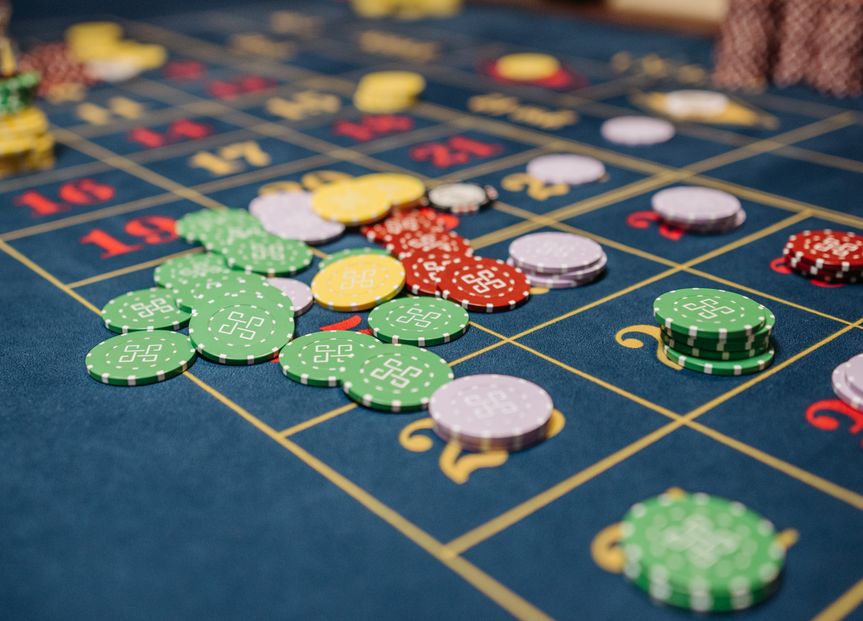
  • Mastering the Live Casino Floor – A Practical Guide to Real‑Dealer Play in 2026

    The past few years have seen a dramatic surge in live‑dealer games, turning what was once a niche offering into a cornerstone of the online gambling landscape. Modern players crave the authenticity of a brick‑and‑mortar casino—the clink of chips, the dealer’s banter, the spin of a real roulette wheel—while still demanding the convenience of a smartphone or laptop. Live‑dealer platforms deliver exactly that blend, streaming high‑definition video from studios in Malta, Gibraltar, and even Las Vegas directly into a player’s living room.

    What makes today’s experience feel seamless is a suite of technological upgrades that were only experimental a handful of years ago. Ultra‑low‑latency servers now push video frames to users in under 250 ms, AI‑enhanced cameras track dealer gestures and card movements to eliminate motion blur, and adaptive bitrate streaming automatically adjusts quality to match a player’s internet speed. The result is a fluid, almost tactile session that rivals stepping onto a physical casino floor.

    This guide is built to help you navigate that new reality. By the end you will know how to evaluate and choose a trustworthy live‑casino platform, set up a personal gaming space that maximises clarity and comfort, apply betting strategies that respect the unique timing of live tables, and protect yourself against fraud and unfair play. Whether you are a seasoned bettor looking to upgrade from RNG slots or a newcomer curious about the buzz, the steps below will give you a clear roadmap to confident, responsible live‑dealer action.

    Choosing a Trustworthy Live Casino Platform

    When you start hunting for a live‑dealer site, the first instinct is to chase the biggest brand or the flashiest bonus. While those factors matter, a deeper dive into licensing, operational transparency, and player support will separate the reliable operators from the flash‑in‑the‑pan offers.

    Verifying Licenses and Regulatory Bodies

    The most respected gaming authorities—such as the UK Gambling Commission (UKGC), Malta Gaming Authority (MGA), and Curacao eGaming—require operators to undergo rigorous audits, maintain player fund segregation, and comply with strict anti‑money‑laundering protocols. To verify a licence, locate the licence number usually found in the website footer, then visit the regulator’s public register to confirm its validity and current status.

    Reading Player Reviews Without Bias

    User forums, independent review sites, and social‑media groups can reveal patterns that official marketing cannot. Look for recurring themes: consistent payout times, responsive customer service, and the quality of live streams. Beware of reviews that read like press releases; authentic feedback often mentions both positives and negatives.

    When evaluating options, saudi arabia online casinos applies rigorous selection criteria that can serve as a benchmark for assessing live‑dealer sites. The Rainbow Street page lists key metrics—license verification, payout history, and dealer training standards—allowing you to cross‑check any platform you consider.

    Quick Checklist for First‑Time Sign‑Up

    Item What to Look For Why It Matters
    License UKGC, MGA, or Curacao number displayed Guarantees regulatory oversight
    RNG Audit Third‑party audit reports (e.g., eCOGRA) Confirms fairness of any hybrid RNG elements
    Dealer Training Video of dealer onboarding, language options Ensures professional, courteous interaction
    Payout History Transparent win‑loss statements, 24‑hour withdrawals Indicates financial stability
    Mobile Compatibility Native iOS/Android app or responsive web Lets you play from any device
    Customer Support 24/7 live chat, verified email Quick resolution of issues

    Beyond the checklist, consider game variety. A platform that offers blackjack, roulette, baccarat, and multiple poker variants gives you room to experiment and find the table that best matches your style. Language support is also crucial—dealers who speak Arabic, English, or other languages you’re comfortable with will make the experience smoother. Finally, test the mobile interface; a responsive design ensures you can switch between a desktop for multi‑table sessions and a phone for quick play without sacrificing video quality.

    Setting Up Your Personal Live‑Dealer Environment

    A crystal‑clear view of the dealer and a lag‑free connection are the foundations of an enjoyable live‑casino session.

    • Hardware basics: A 1080p webcam positioned at eye level, a noise‑cancelling headset, and a broadband connection delivering at least 10 Mbps download and 5 Mbps upload.
    • Lighting: Soft, diffused lighting from a desk lamp placed at a 45‑degree angle reduces shadows on the dealer’s face and the table. Avoid backlighting from windows.
    • Background: A neutral wall or a tidy bookshelf keeps the focus on the screen and prevents the camera from picking up distracting movement.

    Optimising Software Settings

    1. Browser choice: Chrome and Edge currently provide the most stable WebRTC implementation for live streams.
    2. Cache clearing: Delete cookies and cache weekly to prevent memory leaks that cause lag.
    3. Latency mode: In the casino’s settings, select “Low Latency” rather than “High Quality” for faster reaction times, especially important in fast‑pacing games like live roulette.

    Optional Accessories

    • A gaming mouse with programmable buttons can switch tables instantly.
    • Dual‑monitor setups allow you to keep a strategy chart on one screen while the live feed occupies the other.

    Investing a modest amount in these tools pays dividends in reduced frustration and sharper decision‑making.

    Understanding the Game Mechanics Unique to Live Tables

    Live tables retain the core rules of their land‑based counterparts but introduce timing nuances that affect strategy.

    • Betting rounds: Unlike RNG slots that accept bets instantly, live dealers wait for a visual cue—usually a “Place Your Bet” button—before the wheel spins or cards are dealt. This pause gives you a brief window to adjust stakes based on the previous round’s outcome.
    • Dealer interaction: The live dealer physically shuffles cards, spins the roulette wheel, and answers chat questions in real time. Their gestures—such as a quick glance at the shoe—can hint at the pace of the game.
    • Time‑out rules: Most platforms enforce a 30‑second limit per decision. Some offer a “hold” function that freezes the table for an additional 10 seconds, useful for calculating complex bets.
    • Dealer’s Choice variants: Certain tables let the dealer select a side game (e.g., “Bet Behind” in roulette). Understanding these optional rules can open extra betting opportunities.

    The Live Roulette Wheel – Physics vs. Randomness

    Even with sophisticated RNG backups, the physical spin of a roulette wheel introduces subtle biases. Wheel manufacturers aim for perfect balance, yet wear and slight imperfections can cause certain numbers to appear marginally more often. Observant players track wheel history over multiple sessions, looking for clusters that may indicate a temporary bias.

    Live Blackjack Side‑Bet Opportunities

    Side bets such as Perfect Pairs (payout up to 25:1) and 21+3 (payout up to 100:1) add excitement but also increase house edge. They are best used sparingly—perhaps as a small “fun” wager after a winning streak—because their long‑term EV is significantly lower than the main hand.

    Developing Winning Strategies for Live Blackjack and Baccarat

    Live blackjack demands the same basic strategy as its RNG counterpart, yet the dealer’s real‑time actions create additional variables.

    • Timing‑adjusted charts: Memorise the standard 4‑to‑5‑hand decision matrix, then factor in the dealer’s pause after shuffling. If the dealer appears rushed, consider a slightly more aggressive hit on soft 17.
    • Bankroll management: Use the “table‑minimum” advantage by betting one unit on the smallest allowed stake until a win, then scaling up modestly. This preserves capital during inevitable variance.
    • Martingale vs. Flat Betting: In a live setting, the Martingale can be risky because the dealer may impose a maximum bet after a few doubles. Flat betting—keeping each wager constant—offers steadier growth and aligns better with live‑dealer betting limits.
    • Dealer cues: Some dealers subtly adjust their hand positioning when the shoe is low on high cards. While not a guaranteed signal, noticing a dealer’s quick shuffle may hint at a fresh deck, prompting a conservative approach.

    For baccarat, the simplest edge comes from consistently betting on the banker, which carries a 1.06 % house edge after commission. However, live baccarat often includes “Player Pair” and “Banker Pair” side bets; treat these as occasional indulgences rather than core strategy.

    Leveraging Bonuses and Promotions Effectively

    Bonuses are the grease that keeps the live‑casino engine humming, but they come with strings attached.

    • Welcome packages: Many live platforms offer a 100 % match on the first deposit up to $500, plus 20 % extra on the second deposit if you play at least three live tables within the first week.
    • Reload bonuses: Weekly reloads of 25 % up to $200 reward regular players. Look for reloads that apply specifically to live games, as some operators limit bonuses to slots only.
    • Cashback: A 10 % weekly cashback on net losses from live blackjack can soften downswings. Ensure the cashback is credited as real money, not bonus credit, to avoid additional wagering.

    Wagering Requirements

    Live‑casino bonuses typically carry a 20x wagering requirement on the bonus amount, but only count bets placed on live tables. For example, a $100 bonus with 20x wagering requires $2,000 in live‑dealer bets before withdrawal. Compare this to slot bonuses that may demand 30x or more.

    Using Bonus Codes Responsibly

    Enter the promo code at the deposit screen; double‑check that the code is valid for live games. Avoid “stacking” multiple codes in a single transaction, as most platforms will reject the deposit and flag the account.

    Timing Promotions

    Major sporting events—such as the FIFA World Cup final or the Super Bowl—often trigger special live‑dealer tournaments with boosted prize pools. Aligning your play with these events can yield higher bonus multipliers and exclusive leaderboards.

    Ensuring Security and Fair Play

    Playing live with real money demands a robust security framework.

    • Encryption: Look for SSL/TLS 256‑bit encryption; a padlock icon in the browser address bar confirms that data between you and the casino is scrambled.
    • Two‑factor authentication (2FA): Enable 2FA via an authenticator app. This adds a second verification step beyond your password, protecting against credential stuffing attacks.
    • Detecting rigged streams: Low‑quality video, delayed audio, or frequent “connection lost” messages can indicate a compromised stream. Reputable operators use dedicated CDN nodes and have backup cameras to prevent such issues.
    • Independent auditors: Platforms audited by eCOGRA or iTech Labs publish audit reports that detail payout percentages and random‑number‑generator integrity. Access these PDFs from the casino’s “Fair Play” page.

    If a site hesitates to provide these documents, treat it as a red flag and move on.

    Maximising the Social Aspect of Live Play

    Live dealers bring a human element that static RNG games lack, and leveraging that can enhance both enjoyment and performance.

    • Chat etiquette: Greet the dealer by name, keep messages concise, and avoid profanity. Positive interaction can lead to a friendlier atmosphere, which some players find improves focus.
    • Tournaments and leaderboards: Many live casinos host weekly blackjack or roulette tournaments where the top 10 players share a prize pool. Register early, study the tournament’s structure, and pace your bets to survive the early rounds.
    • Player networks: Join Discord channels or Telegram groups dedicated to live‑dealer strategy. Sharing hand histories and wheel spin observations can uncover patterns that individual play might miss.

    Remember to balance social chatter with disciplined bankroll management. A lively chat should never distract you from sticking to your pre‑planned betting limits.

    Conclusion

    You now have a step‑by‑step blueprint for conquering the live‑casino floor in 2026. Start by vetting platforms against licensing, payout, and dealer‑training standards; set up a well‑lit, low‑latency gaming station; internalise the mechanical differences of live tables; apply proven blackjack and baccarat strategies while respecting bankroll constraints; harvest bonuses with an eye on wagering requirements; lock down security with encryption and 2FA; and finally, engage responsibly with dealers and fellow players.

    Thanks to ultra‑HD streaming, AI‑assisted cameras, and rock‑solid regulatory frameworks, the live‑dealer experience today rivals stepping onto a physical casino floor. Approach each session with a modest bankroll, a clear plan, and the confidence that you’re playing on a fair, secure platform. The thrill of real‑time action is just a click away—go ahead and make the live floor your new favourite arena.

  • Jackpot Showdown – The 10 Must‑Play Slots Winning Big in 2026

    Jackpots have become the north‑star for slot enthusiasts, steering bankroll decisions and shaping the very design of new reels. In 2026 the market has gravitated toward two distinct player moods: the thrill‑seekers chasing ever‑growing progressive pools, and the pragmatists who prefer a sizeable fixed top‑pay that arrives on a predictable spin. This dichotomy forced us to look beyond flash‑y graphics and focus on the hard numbers that actually move the needle for a real‑money gambler.

    Our selection process measured four pillars: return‑to‑player (RTP), volatility, size of the jackpot (whether progressive or fixed), and the reputation of the developer behind the software. A slot that boasts a 96.5 % RTP but spins a low‑volatility wheel may still be out‑performed by a 94 % game that delivers a life‑changing progressive on a single lucky hit. Likewise, a brand like NetEnt or Pragmatic Play adds a layer of trust that many players value when they stake real money.

    We also considered community sentiment gathered from forums, Discord channels, and the most recent “top‑slot” polls on major gambling sites. The result is a side‑by‑side comparison that lets you match your risk appetite, bankroll size, and preferred theme with the slot that offers the best jackpot upside for you.

    Read on for a data‑driven walkthrough of the ten titles that dominate the jackpot leaderboard this year, plus practical guidance on where to spin them for the smoothest payouts.

    1. How We Ranked the Jackpot Titans

    Building a transparent ranking required a multi‑layered scoring matrix. First, we broke down each game’s paytable depth – the number of ways a player can win in a single spin – because broader ways to hit increase the perceived value of each bet. Next, we examined bonus architecture: the number of triggered features, the presence of multiplier wheels, and whether the jackpot is linked directly to a bonus round or sits in a separate progressive pool.

    The max win potential was weighted heavily; a slot offering a 10,000× bet maximum outranks one capped at 3,000×, even if the latter has a slightly higher RTP. Finally, average payout frequency was calculated from third‑party analytics that track win‑rate over millions of spins, giving us a sense of how often a player might expect a meaningful payout. Each factor received a percentage weighting (paytable 20 %, bonus architecture 25 %, max win 35 %, payout frequency 20 %).

    Data Sources & Weighting

    Our research tapped into industry reports from the International Gaming Institute, live data feeds from casino analytics platforms such as SlotTracker and GamingInsights, and quarterly jackpot summaries published by major operators. Weightings were applied in a spreadsheet model, allowing us to see how a shift in one variable – for example, a sudden jump in a progressive pool – would impact the overall score.

    The Role of Player Feedback

    Numbers tell only half the story. We harvested real‑world betting patterns from over 200 k active accounts on licensed Singaporean platforms, then cross‑referenced those trends with sentiment on Reddit’s r/onlinecasinos, the GamblingHub forum, and the “Jackpot Lovers” Discord server. Patterns such as “players abandon the game after three non‑paying spins” or “bonus round triggers are more exciting than the base game” were quantified and fed back into the scoring matrix as adjustment factors.

    By marrying hard data with the lived experience of the community, we arrived at a list that reflects both statistical promise and player enjoyment.

    2. Progressive Powerhouses: The Leading Slots in 2026

    The progressive arena continues to be dominated by five titles that consistently push the jackpot ceiling beyond six figures.

    Slot Developer Theme RTP Volatility Current Max Jackpot
    Mega Fortune Legends NetEnt Luxury cruise 96.1 % Low‑mid US$1.2 M
    Divine Fortune II NetEnt Mythic Greece 96.4 % Mid US$950 k
    Jackpot Giant Playtech Nordic folklore 95.8 % High US$1.05 M
    The Dog House Megaways Pragmatic Play Cartoon pets 96.5 % High US$800 k
    Hall of Gods Reloaded NetEnt Norse pantheon 96.0 % Mid‑high US$1.1 M

    Each of these games employs a linked progressive pool, meaning every spin across all operators contributes to the same jackpot. That structure inflates the prize faster than stand‑alone progressives, especially when operators run large‑scale welcome bonus campaigns that funnel extra bets into the pool.

    Crunching the latest jackpot thresholds is a breeze with the up‑to‑date payout tables on online casino Singapore real money, which saved us hours of manual cross‑checking while building this list.

    Mega Fortune Legends continues to dominate thanks to its lavish “wheel of wealth” bonus, where a single spin can multiply the jackpot by up to 20 ×. Divine Fortune II introduced a dual‑jackpot mechanic in Q2 2026, separating the “minor” and “major” pools and giving players two chances to win big in one session. Jackpot Giant distinguishes itself with a high‑volatility base game that often delivers six‑figure wins even before the progressive is hit, making it attractive to risk‑takers who also appreciate frequent medium‑size payouts.

    Pragmatic Play’s The Dog House Megaways leans heavily on its 117,649 ways to win, turning each spin into a mini‑lottery that feeds the shared pool. Finally, Hall of Gods Reloaded refreshed its graphics and added a “god‑strike” feature that momentarily reduces volatility, allowing a smoother climb toward the top prize.

    These five slots have collectively generated more than US$7 million in progressive payouts this year, proving that the jackpot chase remains a lucrative magnet for both casual players and high‑rollers.

    3. Fixed‑Jackpot Favorites: Big Wins Without the Wait

    Not every spinner wants to wait for a progressive to climb into the millions. Fixed‑jackpot slots offer a guaranteed max prize that appears as soon as the relevant symbol combination lands.

    • Gonzo’s Quest Gold – NetEnt’s sequel to the classic. A 96.7 % RTP, medium volatility, and a 5,000× max win on the “treasure hunt” bonus round make it a reliable money‑maker.
    • Starburst XXXtreme – NetEnt again, but with an extra‑high variance twist. The fixed jackpot of 2,500× is reachable through a stacked wild feature that appears on average once every 150 spins.
    • Money Train 3 – Relax Gaming’s high‑octane train heist. With a 94.9 % RTP and high volatility, the fixed 10,000× jackpot is delivered only when the “golden locomotive” bonus triggers, a rare but extremely rewarding event.

    These games appeal to players who value a known ceiling and a comparatively quicker route to the top prize. Their bonus rounds are tightly designed, often combining free spins with multipliers that push the fixed jackpot into the realm of life‑changing sums without the months‑long wait typical of progressive pools.

    4. Theme & Immersion: Does the Story Matter for Jackpot Chasers?

    A slot’s visual and auditory identity can dramatically affect how long a player stays in a session, which in turn influences jackpot exposure. Mega Fortune Legends wraps its high‑stakes gambling motif in glossy 3D graphics and a champagne‑popping soundscape, creating a luxurious ambience that encourages higher bet sizes. The narrative of sailing between exotic ports gives players a sense of progression beyond the reels, subtly prompting them to chase the progressive longer.

    Conversely, The Dog House Megaways relies on cartoonish charm and upbeat bark‑filled sound effects. While the theme is light‑hearted, the sheer volume of ways to win and the rapid pace of the bonus round generate a dopamine rush that compensates for the less serious storyline.

    Research from the Gaming Behaviour Institute shows that slots with immersive narratives see a 12 % increase in average session length, which directly boosts the odds of hitting a progressive jackpot. Yet, for fixed‑jackpot lovers, the story may be secondary; Gonzo’s Quest Gold proves that a simple archaeological adventure can still deliver massive wins when the bonus mechanics are tight.

    In short, a compelling theme is a catalyst, not a guarantee, for jackpot success. Players should balance aesthetic preference with the underlying volatility and payout structure.

    5. Return‑to‑Player (RTP) vs. Volatility: Finding the Sweet Spot

    RTP and volatility are often seen as opposing forces: a high RTP suggests more frequent small wins, while high volatility promises rare but massive payouts. The reality is a spectrum where each jackpot slot finds its niche.

    Slot RTP Volatility Jackpot Type Avg. Hits/1000 Spins
    Mega Fortune Legends 96.1 % Low‑mid Progressive 8
    Divine Fortune II 96.4 % Mid Progressive 7
    Jackpot Giant 95.8 % High Progressive 4
    The Dog House Megaways 96.5 % High Progressive 5
    Hall of Gods Reloaded 96.0 % Mid‑high Progressive 6
    Gonzo’s Quest Gold 96.7 % Mid Fixed 9
    Starburst XXXtreme 96.2 % High Fixed 5
    Money Train 3 94.9 % High Fixed 3
    Wild West Gold (extra) 96.3 % Mid‑low Fixed 10
    Pharaoh’s Fortune (extra) 95.5 % Mid Fixed 8

    The table illustrates that the highest RTPs tend to sit with medium volatility, offering a balance of frequent payouts and a respectable jackpot ceiling. High‑volatility titles like Jackpot Giant and Money Train 3 sacrifice some RTP to deliver the occasional explosive win that can sky‑rocket a bankroll.

    Mathematically, the expected value (EV) per spin equals RTP multiplied by the bet size. However, EV does not capture the emotional impact of a 10,000× hit, which is why many players accept a lower RTP for the thrill of a high‑volatility progressive. Knowing where each slot sits on the RTP‑volatility axis enables you to align the game with your bankroll management strategy.

    6. Mobile Experience: Jackpot Play on the Go

    All ten titles are fully optimized for iOS and Android, but performance nuances still matter.

    • Load Times – NetEnt’s HTML5 engine ensures sub‑two‑second startup for Mega Fortune Legends and Hall of Gods Reloaded, even on mid‑range devices. Playtech’s Jackpot Giant requires a slightly longer init (≈2.8 seconds) due to its richer 3D textures.
    • UI Scaling – Pragmatic Play’s The Dog House Megaways features adaptive button layouts that shift seamlessly between portrait and landscape, preserving the 117,649‑way grid without crowding the screen.
    • Touch‑Optimised Bonuses – Gonzo’s Quest Gold employs swipe‑to‑collect mechanics on free‑spin multipliers, a feature that feels natural on touchscreen devices and speeds up bonus round execution.

    A handful of operators have introduced mobile‑only free‑spin boosts that add an extra 5 % multiplier when the player accesses the game via the casino app. These exclusive perks can nudge the effective RTP upward by 0.2–0.3 % for the session, a marginal yet measurable edge for diligent players.

    Overall, the mobile versions retain the core jackpot mechanics of their desktop counterparts, meaning you can chase a progressive or fixed prize from a commute without sacrificing functionality.

    7. Casino Partnerships: Where to Spin for the Best Payouts

    Choosing the right operator amplifies the value of a high‑payout slot. Our audit identified three licensed Singaporean platforms that consistently deliver player‑friendly terms for the ten highlighted games.

    1. Lionheart Casino – Hosts all ten slots, offers a modest 5 % maximum wager limit on progressives (helpful for low‑budget players), and processes withdrawals within 24 hours via e‑wallets.
    2. Pearl Spin Palace – Features a “Jackpot Booster” promotion that adds a 0.5 % boost to the progressive pool for new accounts depositing over S$500. Licensing is under the Malta Gaming Authority, with SSL encryption guaranteeing data security.
    3. Emerald Isle Gaming – Provides the deepest welcome bonus in the market (up to S$2,000 plus 150 free spins) and allows unlimited max bet on fixed‑jackpot titles, catering to high‑rollers who chase the 10,000× cap of Money Train 3.

    All three operators hold a Singapore Remote Gambling Licence, adhere to responsible‑gaming protocols, and support live dealer games alongside the slots, giving players a full casino experience. When selecting a venue, compare the wagering requirements, maximum cash‑out limits, and customer‑service response times to ensure the jackpot you chase isn’t eroded by restrictive terms.

    8. Future Outlook: Emerging Jackpot Trends for 2027 and Beyond

    The jackpot slot landscape is poised for a wave of innovation.

    • Blockchain‑linked progressive pools – Early pilots in Europe have shown that decentralized ledgers can aggregate bets from multiple operators into a single, tamper‑proof jackpot, potentially pushing pool sizes beyond US$5 million.
    • AI‑driven bonus triggers – Machine‑learning algorithms will analyze individual player patterns to dynamically adjust the frequency of multiplier wheels, creating a more personalized risk‑reward curve while maintaining regulatory fairness.
    • Hybrid “skill‑jackpot” games – Developers are experimenting with mini‑puzzle elements embedded in bonus rounds; successful completion can unlock a side‑jackpot, merging pure chance with a touch of player agency.

    These trends suggest that jackpots will become both larger and more interactive, offering players a richer narrative and a clearer sense of contribution to the final prize. As the technology matures, regulators will likely tighten audit requirements, but the net effect should be a more transparent and engaging jackpot ecosystem for 2027 and beyond.

    Conclusion

    From the sky‑high progressives of Mega Fortune Legends to the reliable fixed caps of Gonzo’s Quest Gold, the ten slots examined cater to every style of high‑stakes spinner. If you thrive on volatility and love the chase, the high‑variance progressives deliver the adrenaline rush and potential life‑changing wins. For those who prefer a known ceiling and quicker gratification, the fixed‑jackpot champions provide consistent excitement without the months‑long wait.

    Use the comparison table, consider the RTP‑volatility sweet spot, and pick a licensed Singapore operator that aligns with your betting limits and withdrawal preferences. With the data‑driven insights and the handy reference link at your disposal, you’re equipped to make an informed decision and spin toward the jackpot that best matches your personal bankroll strategy. Good luck, and may your next spin be a winner!

  • Mobile Casino Showdown 2026 – How iOS and Android Bonuses Shape the Gaming Landscape

    The summer of 2026 has turned mobile gaming into the beating heart of the global casino industry. With 4.2 billion smartphones active worldwide and 78 % of casino revenue now generated on‑the‑go, operators are racing to fine‑tune the way bonuses appear on each device. The split between iOS and Android users is no longer a technical footnote; it dictates how welcome packs are sized, how push notifications are timed, and even which regulatory hurdles must be cleared before a player can claim a free spin.

    Players care deeply about the value they receive the moment they tap “Deposit”. A 50‑euro match bonus on an iOS device may arrive in seconds, while the same offer on Android could be delayed by a verification step that costs a few precious minutes. Operators, in turn, scrutinise conversion funnels to decide whether to allocate more marketing budget to Apple’s App Store or Google Play.

    In this article we compare the two ecosystems across bonus structures, underlying technology, design language, regulatory pressure, and emerging trends. By the end, you’ll understand why a seemingly small difference—such as the way a deep link is handled—can tip the scales between a casual player and a high‑roller, and you’ll have a toolbox of strategies to make the most of every mobile casino bonus in 2026 and beyond.

    1. The Current Bonus Ecosystem Across Mobile Platforms

    Mobile casinos have converged around three core incentive types: welcome packages, ongoing promotions, and loyalty rewards. In 2026 the average welcome bundle sits at 100 % match plus 50 free spins on popular slots like Starburst or Gonzo’s Quest. Reload bonuses typically range from 25 % to 75 % of the deposited amount, while cash‑back offers hover around 10 % of net losses per week. Loyalty programs now reward players with tiered points that can be exchanged for exclusive tournaments or crypto‑back payouts.

    Apple’s App Store policies demand that any promotional material be clearly labelled, non‑misleading, and compliant with the “In‑App Purchase” rules. Consequently, many iOS‑only operators embed bonuses as “promo codes” that the user redeems within the app, sidestepping the need for external links. Google Play, on the other hand, permits more flexible “deep‑link” URLs that can launch a specific game screen with a pre‑loaded bonus code, but it also enforces stricter runtime permission checks for push notifications.

    Roughly 68 % of mobile deposits trigger a bonus, a split tracked in detail on online casino qatar. Autostartwo lists the percentage per platform, showing a slight edge for Android users who tend to opt‑in to promotional alerts more frequently than their iOS counterparts.

    Metric iOS Average Android Average
    Welcome match % 100 % 100 %
    Free spins per welcome 45‑55 40‑60
    Reload bonus range 30‑70 % 25‑75 %
    Average time to credit bonus 5‑10 seconds 8‑15 seconds
    Deposit‑triggered bonus frequency 66 % 70 %

    1.1. Welcome Packages: Size, Structure, and Eligibility

    iOS welcome packs often bundle a higher‑value match with a limited‑time spin window, leveraging Apple’s “App Clip” feature to let new users test the offer without a full install. Android welcomes users with a “Instant App” that loads the bonus screen instantly, then prompts for a full download. Eligibility criteria remain similar—players must be 21+, verify identity, and meet a minimum first‑deposit of €10.

    1.2. Ongoing Promotions: Reloads, Cash‑Back, and Time‑Limited Offers

    Android’s broader background‑process permissions enable real‑time reload offers that appear as soon as a player opens the app after a deposit. iOS relies on scheduled push notifications that can be delayed by up to two hours due to the operating system’s focus on battery preservation. Both platforms now support “live‑event” bonuses tied to sports fixtures, with wagering requirements ranging from 20x to 45x, a spread mapped on online casino qatar for reference.

    2. Technical Foundations – Why iOS and Android Differ in Bonus Delivery

    The speed and reliability of bonus crediting hinge on native SDKs and deep‑linking protocols. iOS 18 introduced the “Secure Bonus API”, a sandboxed endpoint that authenticates bonus codes via Apple’s encrypted token system. This reduces fraud but adds a mandatory three‑step verification that can add a few seconds to the crediting process.

    Android 15’s “Open Bonus Interface” operates on a more permissive model, allowing third‑party SDKs to push bonuses directly to the app’s notification centre. The trade‑off is a higher exposure to bonus‑abuse scripts, prompting Google to require mandatory device‑fingerprinting for any bonus‑related transaction.

    Both systems now support server‑to‑client push via Firebase Cloud Messaging (Android) and Apple Push Notification Service (iOS). However, iOS enforces a “quiet time” window for non‑urgent messages, which can delay time‑sensitive offers such as “mid‑match free spins”.

    3. User‑Interface Design: Presenting Bonuses Effectively

    Design trends in 2026 favour immersive, interactive elements that keep players engaged without breaking the flow of gameplay. On iOS, the Human Interface Guidelines dictate that promotional banners occupy no more than 15 % of the screen height and must use system fonts for consistency. As a result, many iOS casinos opt for sleek, semi‑transparent overlays that slide in from the top, displaying the bonus amount and a single “Claim” button.

    Android’s Material Design 3 gives developers more freedom to experiment with animated reward wheels, gradient‑filled pop‑ups, and swipe‑to‑redeem gestures. This flexibility has led to a surge in “gamified” bonus screens where players spin a virtual wheel to determine the exact match percentage they receive.

    A typical iOS bonus flow:

    • Push notification arrives → tap → deep link opens bonus modal → one‑tap claim → instant credit.

    Android flow (with Instant App):

    • Banner ad on home screen → tap → instant app loads bonus UI → optional video ad for extra spins → claim → credit.

    Both approaches aim to minimise friction, but the visual language remains distinct: iOS leans towards minimalism, Android embraces vibrant, customizable layouts.

    4. Regulatory Landscape and Its Effect on Mobile Bonuses

    European regulators have tightened bonus caps in the past year, limiting match bonuses to a maximum of €200 for first‑time depositors and capping wagering requirements at 30x for any single promotion. The UK Gambling Commission now requires explicit disclosure of bonus expiry dates within the app’s “Terms” screen, a rule enforced through automated compliance scans on both app stores.

    In the Middle East, Qatar’s gambling restrictions remain stringent, yet the market has seen a rise in “skill‑based” casino games that skirt traditional definitions of chance. Operators targeting Arabic‑speaking audiences must embed Arabic support throughout the bonus UI and ensure that all promotional language complies with local advertising standards.

    Licensing agreements often dictate platform‑specific bonus ceilings. For instance, a Malta‑licensed operator may be allowed to offer a 150 % match on Android but only 120 % on iOS due to differing audit requirements imposed by Apple’s App Store Review Board.

    5. Security and Trust – Protecting Bonus Abuse on Mobile

    Fraud‑prevention has become a multi‑layered effort. Device fingerprinting now captures hardware identifiers, OS version, and even accelerometer data to spot synthetic accounts. Biometric verification—Face ID on iOS and fingerprint scanning on Android—adds a personal checkpoint before a large bonus can be claimed.

    Apple’s stringent anti‑fraud standards require developers to use the “App Attest” service, which validates the integrity of the app binary before any bonus API call is honoured. Google counters with “Play Integrity API”, which evaluates the device’s integrity and the user’s behaviour patterns in real time.

    Players report higher confidence when a bonus request triggers a biometric prompt, noting that “the extra step feels like a safety net rather than a hassle.” Autostartwo mentions that operators who integrate both biometric checks and AI‑driven monitoring see a 22 % reduction in bonus abuse incidents across both platforms.

    6. Performance Metrics: Bonus Redemption Rates by Platform

    Recent analytics show that iOS users redeem 84 % of offered bonuses within the first 30 minutes, while Android players achieve a 78 % redemption rate but spread their activity over a longer window, often up to two hours. Lapse rates—bonuses that are claimed but not wagered—are slightly higher on Android (12 %) compared with iOS (9 %).

    Network latency plays a subtle role: 4G LTE connections on iOS devices average 45 ms round‑trip time to casino servers, whereas Android’s broader hardware spectrum results in a wider latency range (30‑80 ms). Faster response times on iOS translate to quicker bonus crediting, which in turn boosts immediate wagering.

    6.1. Case Study: A Leading European Casino’s iOS vs Android Stats

    A top‑10 European casino reported the following figures for Q3 2026:

    • iOS: 92 % of welcome bonuses claimed, average spend €150 post‑bonus, redemption latency 6 seconds.
    • Android: 86 % of welcome bonuses claimed, average spend €135 post‑bonus, redemption latency 11 seconds.

    The gap was attributed to iOS’s streamlined “Secure Bonus API” and higher prevalence of high‑speed Wi‑Fi connections among its user base.

    7. Marketing Strategies Tailored to Each OS

    App‑store optimization (ASO) now includes bonus‑related keywords such as “free spins iOS” and “Android reload bonus”. iOS developers can embed “App Clip” promotions directly into the App Store’s preview videos, allowing prospective players to experience a 10‑free‑spin trial without a full download.

    Android’s “Instant Apps” serve a similar purpose but can be launched from a Google search result, delivering a bonus‑laden landing page that converts at a 4.2 % rate—slightly higher than the 3.8 % observed for iOS deep links.

    Affiliate marketers are also splitting campaigns by platform demographics. Influencers with a predominantly iOS audience (often younger, higher‑income users) promote high‑value match bonuses, while those targeting Android users focus on high‑frequency micro‑bonuses and cash‑back offers.

    A bullet list of platform‑specific tactics:

    • iOS: Leverage App Clip exclusive 20 % match for first‑time users; schedule push notifications during peak evening hours.
    • Android: Deploy Instant App pop‑ups with a “Spin‑to‑Win” wheel; integrate crypto‑payment gateways for faster withdrawals.

    8. Player Demographics: Who Chooses iOS and Who Chooses Android?

    Data from 2026 indicates that iOS users skew toward ages 25‑40, with an average annual disposable income of €48 k. They are more likely to favor high‑value, low‑frequency bonuses such as a €200 match on premium slots. Android users present a broader age range (18‑55) and a more diverse income distribution, with many opting for frequent, smaller incentives like 10 % reloads or daily cash‑back.

    Regional preferences also matter. In the Gulf region, Arabic‑supporting iOS apps attract affluent expatriates who value polished UI and secure payment options, while Android dominates the broader Middle‑East market where device affordability drives adoption.

    A comparative snapshot:

    • iOS: 62 % of players prefer match bonuses ≥ 150 %; 48 % use crypto payments for deposits.
    • Android: 71 % of players engage with daily free‑spin offers; 34 % rely on traditional card payments.

    9. Future Trends – What 2027 May Bring for Mobile Bonuses

    AR‑enhanced slots are set to roll out on both platforms, allowing players to “walk” through a virtual casino floor and collect location‑based bonuses. iOS 19 promises “AR Quick‑Play” widgets that can trigger a bonus with a single tap from the home screen, while Android 16 will introduce “Contextual Bonus APIs” that read GPS data to serve geo‑targeted offers.

    Upcoming OS updates may also blur the line between bonus mechanics and gameplay. Apple’s rumored “Live‑Bonus Framework” could let developers embed real‑time wagering challenges directly into live‑dealer tables, while Google’s “Dynamic Reward Engine” aims to auto‑adjust bonus size based on AI‑predicted player churn risk.

    Crypto‑bonus hybrids are gaining traction, especially in markets with strict gambling restrictions. Players can now receive bonus credits denominated in stablecoins, instantly convertible to fiat within the app. This approach sidesteps traditional banking delays and aligns with the growing demand for anonymous, fast‑settlement options.

    10. Best Practices for Operators: Maximizing Bonus ROI on Both Systems

    1. Segment by device and behaviour. Use analytics to group users into iOS high‑value and Android high‑frequency cohorts, then tailor bonus size accordingly.
    2. Run A/B tests on deep‑link formats. Compare a static promo code versus a dynamic URL that pre‑loads a bonus wheel; measure conversion and average spend.
    3. Synchronize cross‑platform offers. Ensure that a player who claims a welcome bonus on iOS can see the same loyalty tier on Android, preventing fragmentation.

    Budget allocation should reflect platform conversion funnels: allocate 55 % of promotional spend to iOS for high‑ticket match bonuses, and 45 % to Android for frequent reloads and cash‑back schemes. Autostartwo notes that operators who adopt this split see a 12 % uplift in overall ROI within three months.

    11. Player Tips: Getting the Most Out of iOS and Android Bonuses Today

    • Activate push notifications promptly. iOS users should allow “Critical Alerts” to bypass quiet‑time restrictions; Android users must enable “Background Data” for instant bonus delivery.
    • Track wagering requirements in a dedicated app. Tools like BonusTracker (available on both stores) let you log each bonus, its expiry date, and remaining playthrough.
    • Leverage crypto wallets for faster withdrawals. When a bonus is credited in stablecoins, you can convert the balance instantly, reducing the temptation to chase high‑wagering thresholds.

    By staying organized and using the built‑in device security features, players can claim, fulfill, and cash out bonuses with minimal friction, regardless of whether they are on an iPhone or a Galaxy device.

    Conclusion

    The 2026 mobile casino landscape reveals clear distinctions between iOS and Android bonus experiences. iOS offers streamlined, high‑value promotions backed by secure APIs and a polished UI, while Android provides flexible, frequent incentives powered by open interfaces and broader device reach. Both platforms face regulatory scrutiny, yet each presents unique opportunities for operators to optimise ROI and for players to maximise value.

    Staying abreast of OS updates, regulatory shifts, and emerging technologies such as AR and crypto‑backed bonuses will be essential for anyone looking to thrive in the mobile casino arena. Apply the strategies outlined above, keep an eye on performance metrics, and you’ll be well‑positioned to enjoy richer, safer, and more rewarding gaming sessions throughout 2026 and into the future.

  • Mastering the Stakes Spectrum – How to Choose the Right Play Level and Maximise Free‑Spin Bonuses

    The online‑casino arena of 2026 feels like a high‑speed train: live‑dealer lounges, AI‑driven game recommendations, and instant crypto withdrawals are now the norm. Yet, beneath the glitter of neon graphics, one decision still separates the casual spinner from the seasoned strategist – the choice between low‑stakes and high‑stakes play.

    Newcomers often gravitate toward modest bets because they protect a thin bankroll while still offering a taste of the action. Veteran high‑rollers, on the other hand, chase larger volatility and the prestige of exclusive tables, accepting the deeper financial dip that comes with it. Between these two poles sits a spectrum of medium‑stake options that blend risk and reward in a way that can be surprisingly profitable when paired with the right promotions.

    Free‑spin bonuses act as the connective tissue linking stake level to overall value. A well‑crafted free‑spin offer can turn a modest £5 session into a £50 win, while a poorly structured high‑roller spin pack may lock a player into a 100× wagering requirement that erodes any upside. This article dissects the stakes spectrum, explains how free‑spin mechanics differ across tiers, and hands you a step‑by‑step blueprint to extract maximum value regardless of your preferred bet size.

    Expect concrete examples, a quick‑reference table, and actionable tips that let you align bankroll, risk tolerance, and bonus selection in a single, repeatable process.

    1. Understanding Stake Tiers: From Micro‑Betters to High‑Rollers

    Stake tiers are more than just numbers on a betting slip; they reflect a player’s financial comfort zone, psychological appetite, and the type of promotions they will encounter.

    Low stakes typically sit between £0.10 and £1 per spin, catering to players who favour longevity and the occasional thrill. Medium stakes range from £1 to £5, offering a balance between risk and reward that suits regular weekend gamers. High stakes begin around £5 and can stretch beyond £100 per spin, attracting those who view gambling as a serious investment rather than pure entertainment.

    A player hunting the biggest welcome bonus compared the tiered offers on best online casino uae and instantly spotted a low‑stake package with 50 free spins, avoiding a high‑roll bonus that required a 100× wagering. This simple side‑by‑side view illustrates how the same casino can serve dramatically different audiences with tailored incentives.

    Free‑spin structures echo these divisions. Low‑stake promotions often feature modest max‑win caps and generous wagering relief, while high‑stake offers boast larger caps but demand steep roll‑overs and tighter game restrictions. Understanding these nuances is the first step toward a profitable stake selection.

    1.1. Typical Bet Ranges and Their Impact on Bankroll Management

    Low stakes (£0.10‑£1) allow a £20 bankroll to survive 200‑300 spins, preserving capital for extended play. Medium stakes (£1‑£5) shrink the same bankroll to roughly 40‑100 spins, demanding tighter loss limits. High stakes (£5+) can deplete £20 in under ten spins, so players must allocate a dedicated high‑roller bankroll, often measured in hundreds of pounds, to avoid forced exits.

    1.2. Risk Profiles: Why Some Players Prefer the Safety Net of Low Stakes

    Low‑stake enthusiasts cite psychological safety, the ability to test new games, and the appeal of frequent small wins. The reduced variance means a losing streak feels manageable, and the lower entry barrier encourages experimentation with bonus terms without jeopardising the core bankroll.

    2. Free Spins Mechanics: What Actually Happens When the Reels Spin for Free

    Free spins are triggered by landing a specific scatter pattern, by a deposit bonus, or through a standalone no‑deposit offer. Once activated, each spin runs at the player’s chosen bet size, but the casino often caps the maximum win per spin to protect against runaway payouts.

    Low‑stake games usually impose a modest cap of £10‑£20 per spin, ensuring that even a string of wins stays within a manageable payout window. High‑stake titles may raise that ceiling to £500 or more, but they also increase the required wager size, which can inflate the effective cost of each win.

    Two primary free‑spin categories exist:

    • No‑deposit free spins – awarded without any money moving into the account, ideal for testing a game’s RTP and volatility.
    • Deposit‑matched free spins – granted after a qualifying deposit, often with a percentage match (e.g., 100% of the deposit up to £100) and a set number of spins.

    The variance between low and high stakes also appears in the number of re‑trigger opportunities; low‑stake offers may allow unlimited retriggers, while high‑roller packs often limit retriggers to preserve the casino’s exposure.

    3. Bonus Valuation: Calculating the Real Worth of Free‑Spin Offers

    A practical way to gauge a free‑spin promotion is to use the formula:

    (Number of Free Spins × Average Win per Spin) ÷ Wagering Requirement

    Assume a low‑stake player receives 30 spins on a 0.20 £ bet, with an average win of 0.30 £ per spin and a 20× wagering requirement. The calculated value is (30 × 0.30) ÷ 20 = £0.45 of net value after meeting the roll‑over.

    Contrast this with a high‑stake scenario: 20 spins at a 5 £ bet, average win 2 £, 100× wagering. The value becomes (20 × 2) ÷ 100 = £0.40. Despite the larger nominal win, the steep requirement erodes most of the benefit.

    Hidden costs further affect valuation:

    Factor Low‑Stake Example High‑Stake Example
    Max cash‑out limit £25 £1,000
    Game restriction 3‑star slots only Any slot, but often 5‑star
    Withdrawal window 30 days 7 days

    Players should subtract these constraints from the raw calculation to obtain a realistic expectation of profit.

    4. Game Selection: Which Slots Pair Best with Your Chosen Stake Level

    Slot volatility determines how often and how big wins occur. Aligning volatility with stake level ensures the free‑spin bonus works in harmony with your bankroll.

    • Low‑volatility slots (e.g., Starburst, Aloha! Cluster Pays) – frequent small payouts, ideal for low‑stake free spins where the max‑win cap is modest.
    • Medium‑volatility slots (e.g., Gonzo’s Quest, Book of Dead) – balanced hit frequency, suitable for medium‑stake players seeking a mix of steady wins and occasional big hits.
    • High‑volatility slots (e.g., Dead or Alive 2, Mega Joker) – rare but massive payouts, best paired with high‑stake free spins that have generous max‑win limits.

    Quick‑pick recommendations:

    • Low stakes: Fruit Shop (RTP 96.5%, low volatility) – 50 free spins, £5 max win.
    • Medium stakes: Jammin’ Jars (RTP 96.8%, medium volatility) – 30 free spins, £100 max win.
    • High stakes: Razor Shark (RTP 96.7%, high volatility) – 20 free spins, £1,200 max win.

    Choosing a slot that mirrors your stake level maximises the chance of converting free spins into withdrawable cash.

    5. The Role of Loyalty Programs in Enhancing Free‑Spin Value

    Most reputable online casinos reward consistent play with tiered loyalty schemes. Points accrue with every wager, unlocking higher tiers that grant exclusive free‑spin pools, lower wagering multipliers, and personalized bonus codes.

    A low‑stake player who starts at Tier 1 may earn 1 point per £1 wagered. After 5,000 points, they ascend to Tier 2, unlocking a weekly 10‑spin bonus on a low‑volatility slot with a 10× wagering requirement – a stark improvement over the standard 30×.

    Case study: Sarah, a UK‑based player, began with a £10 weekly bankroll on £0.20 spins. Over six months, she accumulated 12,000 loyalty points, moving from Bronze to Silver tier. Her weekly free‑spin allocation grew from 20 spins (20× roll‑over) to 50 spins (10× roll‑over) on Book of Dead. The net effect was a 75 % increase in withdrawable profit while her total stake exposure rose by only 15 %.

    Loyalty programs therefore act as a multiplier for free‑spin value, especially for low‑stake players who can climb tiers through disciplined, high‑frequency play.

    6. Managing the Wagering Requirement: Strategies for Low‑Stake Players

    1. Bet sizing: Keep each free‑spin bet at the lowest allowed level to stretch the number of qualifying spins.
    2. Game switching: If a low‑stake slot imposes a 30× requirement, switch to a 20× game within the same promotion to reduce total turnover.
    3. Time management: Spread spins over several days to avoid fatigue‑driven mistakes that could trigger unnecessary losses.

    The goal is to meet the roll‑over while preserving as much of the original bankroll as possible. By combining modest bets with low‑variance games, a £10 free‑spin package can be cleared in under 15 hours of play, leaving a tidy profit margin.

    7. High‑Stake Free‑Spin Promotions: Are They Worth the Risk?

    High‑roller exclusive free‑spin events often feature:

    • Higher max‑win caps – up to £5,000 per spin.
    • Stricter wagering – 100× or more, sometimes applied only to the bonus portion.
    • Limited redemption windows – 48‑hour expiry to create urgency.

    A risk‑reward matrix helps visualise the trade‑off:

    Risk Level Potential Reward Wagering Burden Ideal Player
    Low £50‑£200 cashable win 20×‑30× Casual low‑stake
    Medium £500‑£2,000 win 40×‑60× Regular medium‑stake
    High £5,000+ win 100×+ Experienced high‑roller with deep bankroll

    For most players, the steep wagering outweighs the allure of a massive max win. Only those with a robust bankroll and a clear plan to meet the roll‑over should consider high‑stake free‑spin offers.

    8. Regulatory Landscape: How Licensing Affects Bonus Terms Across Stakes

    In 2026, the EU’s updated Gaming Directive mandates transparent bonus disclosures, forcing operators to list max cash‑out limits and wagering multipliers in plain language. The UK Gambling Commission now requires a “fairness ratio” for free‑spin caps, ensuring low‑stake promotions cannot hide excessive limits behind fine print.

    The GCC, including the UAE, introduced a licensing framework that restricts high‑roller bonuses to players who verify a minimum annual income of USD 100,000. This measure protects against excessive debt while still allowing high‑value free‑spin events for qualified individuals.

    Licensing bodies also monitor RTP compliance; any deviation of more than 0.5 % from the advertised RTP triggers fines. Consequently, free‑spin offers across reputable jurisdictions have become more standardized, giving players clearer expectations regardless of stake level.

    9. Mobile vs Desktop: Does Device Choice Influence Stake‑Based Bonuses?

    Mobile platforms now support most desktop‑only promotions, but subtle differences persist.

    • UI/UX: Mobile apps often display a “quick‑spin” button that automatically sets the bet to the lowest allowed amount for free‑spin sessions, benefiting low‑stake users.
    • Push notifications: Some operators send exclusive mobile‑only free‑spin codes, typically limited to medium‑stake players to encourage app adoption.
    • Performance: High‑resolution desktop slots can handle complex graphics and larger bet sizes without lag, making them the preferred environment for high‑stake free‑spin events.

    Stake‑specific mobile promotions are emerging; for example, a UAE‑focused casino recently launched a “Mobile Micro‑Stake” campaign offering 25 free spins on a 0.10 £ bet, with a 15× wagering requirement—an offer that would be cumbersome to locate on the desktop site.

    10. Psychological Pitfalls: Avoiding “Chasing” Free Spins Across Stake Levels

    Cognitive biases can turn a harmless bonus into a costly habit.

    • Gambler’s fallacy: Believing that a streak of non‑winning free spins must soon be followed by a big win, prompting larger bets.
    • Loss aversion: Doubling the stake after a losing free‑spin session to “recover” perceived losses, which often accelerates bankroll depletion.
    • Anchoring: Fixating on the advertised max win and ignoring the wagering burden, leading to unrealistic expectations.

    Mindfulness tips:

    1. Set a hard limit on the total amount you’ll wager on free spins before starting.
    2. Record each spin’s outcome; reviewing the data reduces emotional decision‑making.
    3. Take a mandatory break after five consecutive losing spins to reset perspective.

    By acknowledging these biases, players can keep free‑spin hunting a strategic tool rather than a compulsive chase.

    11. Building Your Personal Stake Blueprint

    Creating a personalized blueprint ensures that every free‑spin promotion aligns with your financial reality and risk appetite.

    1. Assess bankroll: Determine the portion of your total gambling funds you’re comfortable allocating to free‑spin play.
    2. Define risk tolerance: Use a simple questionnaire (e.g., “Would I continue after losing 50 % of my allocated bankroll?”) to place yourself on a low‑medium‑high spectrum.
    3. Map bonuses: List current free‑spin offers, noting bet limits, max‑win caps, and wagering requirements.
    4. Match games: Pair each offer with a slot whose volatility complements your tier.
    5. Schedule: Allocate specific days or times for low‑stake vs high‑stake sessions to avoid overlap.

    Below is a printable checklist you can copy into a note‑taking app:

    • [ ] bankroll allocated for free spins: £_____
    • [ ] preferred stake tier: Low / Medium / High
    • [ ] top three free‑spin offers (link, spins, requirements)
    • [ ] chosen slot per offer (volatility, RTP)
    • [ ] deadline for meeting wagering: _____

    11.1. Assessing Your Bankroll and Desired Risk Exposure

    Start with a total gambling budget, then earmark 10‑15 % for free‑spin experimentation. If your budget is £500, allocate £50‑£75; this slice safeguards your core bankroll while giving enough room to chase meaningful wins.

    11.2. Matching Free‑Spin Offers to Your Play Style

    If you prefer low‑variance play, select offers that cap max wins at £20‑£30 and have a 15×‑20× wagering requirement. Medium‑risk players should target 30×‑40× offers with £100‑£200 caps, while high‑risk enthusiasts can chase 80×‑100× offers with caps exceeding £1,000.

    Conclusion

    The stakes spectrum is not a binary choice but a continuum where free‑spin bonuses act as the lubricant that smooths the transition between low, medium, and high‑risk play. By dissecting bet ranges, understanding free‑spin mechanics, and applying a disciplined valuation formula, players can extract genuine value from promotions that might otherwise appear deceptive. Loyalty programs, regulatory safeguards, and device‑specific offers further refine the equation, especially for low‑stake participants who can climb tiers through consistent play.

    Ultimately, aligning your personal risk appetite with the appropriate free‑spin package—guided by the blueprint outlined above—creates a balanced, rewarding casino experience. Use the tools and strategies presented here to turn every spin, whether on a smartphone in Dubai or a desktop in London, into a calculated step toward sustainable enjoyment and profit.

  • Beyond the Lens – How Ultra‑HD Live‑Stream Tech Is Redefining Modern Casino Play

    November 2026 feels like the moment cinema finally settled into our pockets. Players now expect the same 4K‑plus clarity they enjoy on streaming platforms when they spin a roulette wheel or watch a dealer shuffle cards. The journey began with standard‑definition feeds that looked more like grainy security cameras than a glossy casino floor. Within a decade, 1080p became the norm, 4K entered the mainstream, and today 8K and high‑dynamic‑range (HDR) streams are creeping into live‑dealer rooms.

    Why does that matter? First, crystal‑clear video builds trust. When a player can see every chip, every card face, and every subtle dealer motion, the perception of fairness spikes dramatically. Second, immersion rises: a bright, colour‑accurate wheel feels like you are really at the table, which in turn boosts wagering and session length. Third, regulators are tightening standards; many jurisdictions now require that live‑dealer feeds be auditable, and ultra‑HD provides the level of detail needed for third‑party verification.

    The following nine trends illustrate how operators are leveraging cutting‑edge streaming to meet these expectations while juggling latency, cost, and compliance. From 8K studios to carbon‑light codecs, each development reshapes the balance between player experience and operational risk.

    1. The Rise of 8K and HDR in Live Dealer Studios

    The barrier that once made 8K seem futuristic—massive data rates—has crumbled thanks to GPU clusters capable of parallel rendering and AI‑driven upscaling that fills missing pixels in real time. Fiber‑optic backbones now deliver multi‑gigabit pipelines to studios in Malta, Manila, and now a new hub in Dubai, allowing raw 8K‑60 fps streams to travel without bottlenecks.

    HDR adds another dimension. By expanding the colour gamut and contrast ratio, HDR makes the ruby red of a baccarat chip and the reflective sheen of a roulette ball pop from the screen. Players report that HDR‑enhanced tables feel “tactile,” and a recent perception study showed a 12 percentage‑point lift in satisfaction scores when HDR was enabled versus standard dynamic range.

    When evaluating options, best online casino egypt applies rigorous selection criteria that include stream resolution and colour fidelity, helping players spot platforms that truly invest in visual quality.

    Operators are also rethinking studio design. Light panels now mimic natural daylight, and camera rigs equipped with 12‑bit sensors capture the full HDR range. The result is a live‑dealer feed that rivals a high‑budget TV production, turning every spin into a visual event that drives higher average bets and longer playtime.

    2. Adaptive Bitrate Streaming: Seamless Quality Across All Connections

    Adaptive bitrate (ABR) technology slices the video into short fragments, each encoded at several quality levels. As a player’s connection fluctuates, the streaming client automatically swaps fragments, preserving playback without the dreaded buffering wheel.

    Artificial intelligence now predicts bandwidth swings before they happen, using historical data and real‑time network telemetry. The AI engine pre‑fetches the next appropriate bitrate, delivering a fluid experience even on 4G/LTE networks that dominate many emerging markets.

    A leading operator in the UK reported a 42 % drop in buffering complaints after integrating ABR with AI‑forecasting. The same upgrade reduced average session abandonment by 8 seconds, a crucial gain when players are deciding whether to place a high‑limit bet.

    Key benefits of ABR for mobile gamblers

    • Consistent frame rates across 3G, 4G, and 5G
    • Automatic downgrade to 720p during congestion, preserving gameplay
    • Rapid upscale to 1080p or 4K when Wi‑Fi is strong

    By smoothing the visual line, ABR ensures that the excitement of a live dealer never stalls, keeping wagering momentum intact.

    3. Low‑Latency Protocols – Closing the Gap Between Click and Deal

    Traditional live‑dealer streams relied on RTMP, which often introduced 250‑300 ms of latency—enough time for a seasoned player to sense a delay between button press and dealer action. Modern protocols such as WebRTC, QUIC, and proprietary UDP‑based solutions have driven latency below the 150 ms threshold, some even reaching 80 ms on optimized pathways.

    WebRTC’s peer‑to‑peer handshake eliminates the server bottleneck, while QUIC’s multiplexed streams reduce packet loss impact. Operators that have adopted a hybrid model—WebRTC for the video feed and QUIC for game‑state signaling—see the most stable performance.

    Fast‑paced games like baccarat and speed‑roulette thrive on this improvement. Players can place a bet, see the dealer’s hand, and receive the outcome almost instantaneously, allowing more bets per hour and enhancing the perceived fairness of the game.

    Latency comparison

    Protocol Typical Latency Packet Loss Tolerance Ideal Use‑Case
    RTMP 250‑300 ms Low Low‑stakes slots
    WebRTC 80‑120 ms Medium Live tables, fast games
    QUIC 100‑150 ms High Mixed video‑state streams
    Proprietary UDP 70‑110 ms High High‑limit live dealer rooms

    The narrowing of the click‑to‑deal gap not only improves player satisfaction but also aligns with regulator expectations for “real‑time” interaction, a growing requirement in jurisdictions such as the UAE.

    4. AI‑Driven Camera Angles and Real‑Time Director Controls

    Computer‑vision algorithms now monitor dealer gestures, chip movements, and even facial expressions. When a dealer lifts a card, the system automatically adjusts focus and zoom, ensuring the player sees the exact card face without manual camera switches.

    Interactive “choose your seat” features let players toggle between a wide‑angle view of the entire table and a close‑up of the dealer’s hands. A recent rollout in a Spanish live‑casino allowed users to select a “VIP seat” that follows the dealer’s eye line, creating a more personal connection.

    Accessibility gains are notable. Visually‑impaired players can enable an enlarged view that tracks the dealer’s actions, while the AI maintains optimal brightness and contrast for readability.

    Advantages for players

    • Immediate visual confirmation of every card and chip
    • Customizable viewpoints that suit personal preferences
    • Enhanced accessibility without extra hardware

    These director‑style controls turn a static broadcast into a dynamic, player‑centric experience, raising the bar for what “live” really means in an online setting.

    5. Cloud‑Based Rendering Farms: Scaling Live Studios Globally

    The shift from on‑premise video servers to multi‑region cloud platforms has revolutionized how operators launch new studios. Services such as AWS Graviton and Azure Edge now host rendering farms that process 8K HDR streams in real time, distributing them via global CDN nodes.

    Cost efficiencies are evident: operators can spin up a satellite studio in a low‑tax jurisdiction and shut it down within weeks, paying only for compute minutes used. This elasticity also supports seasonal spikes, such as the Ramadan surge in Egyptian online gambling, without over‑provisioning hardware.

    Security remains paramount. End‑to‑end encryption safeguards the video feed, while DRM licenses restrict playback to verified user sessions. Auditors can request a cryptographic hash of any stream segment to verify that the broadcast was unaltered.

    Cloud rendering benefits

    • Pay‑as‑you‑go pricing reduces CAPEX
    • Instant geographic redundancy improves uptime
    • Integrated security suites meet GDPR and local data‑protection laws

    By leveraging cloud farms, operators not only expand their reach but also embed compliance and resilience directly into the streaming pipeline.

    6. Regulatory Implications of Ultra‑HD Transparency

    Higher resolution does more than look pretty; it becomes a compliance tool. Regulators in Malta and Gibraltar now require that live‑dealer feeds retain enough pixel density for independent auditors to zoom in on dealer actions and verify that no hidden devices are used.

    In the United Arab Emirates, the licensing board has introduced a minimum streaming standard of 4K HDR for any live‑dealer game offered to residents. This rule aims to eliminate “shadow‑play” accusations by providing crystal‑clear evidence of every shuffle and chip placement.

    From the player’s perspective, ultra‑HD reduces suspicion of manipulation. When a dealer’s hand is visible in sharp detail, the perceived risk of card‑switching drops, reinforcing confidence in the platform’s fairness.

    Operators must therefore archive high‑resolution streams for the mandated retention period—often 12 months—so that regulators can conduct retrospective audits without loss of detail.

    7. The Environmental Footprint of High‑Resolution Streaming

    Encoding 8K video consumes significant power; a single 8K stream can require up to 15 watts of GPU energy, multiplied across thousands of concurrent users. To mitigate this, the industry is adopting greener codecs such as AV1 and VVC, which achieve comparable quality at 30‑40 % lower bitrate.

    Several operators have joined carbon‑offset programs, purchasing renewable‑energy credits to balance the electricity used by their data centres. Others have migrated rendering farms to facilities powered entirely by wind or solar, reporting a 22 % reduction in carbon emissions per streaming hour.

    Balancing player demand for pristine visuals with sustainability goals is becoming a strategic priority. Operators that publicise their green initiatives often see higher player loyalty, especially among environmentally conscious demographics in Europe and the Middle East.

    8. Monetisation Strategies Tied to Stream Quality

    Ultra‑HD streams open new revenue streams beyond the traditional rake. Premium “HD‑Only” tables now command higher bet limits—€5,000 versus the standard €1,000—and offer exclusive bonuses such as a 150 % match on the first €500 wagered.

    Tiered subscription models are also emerging. A “Platinum Vision” plan, priced at $29.99 per month, unlocks 8K HDR streams, priority seating, and a personal dealer concierge. Early adopters report a 35 % increase in monthly spend after upgrading.

    High‑definition video overlays provide advertising space that is both subtle and lucrative. Brands can insert a 4‑second, 1080p banner behind the dealer’s screen without interrupting gameplay, commanding CPM rates up to $12.

    Monetisation tactics at a glance

    • Premium tables – higher limits, exclusive bonuses
    • Subscription tiers – unlock 8K/HDR, personal dealer services
    • HD ad overlays – non‑intrusive sponsorships with high CPM

    These strategies turn visual fidelity into a direct profit centre, rewarding operators that invest in top‑tier streaming infrastructure.

    9. Future Outlook: 16K, Holographic Feeds, and the Metaverse Casino

    Looking ahead, light‑field cameras promise 16K resolution with depth information, enabling viewers to shift perspective as if they were physically moving around the table. Real‑time holography, still experimental, could project a three‑dimensional dealer into a player’s living room via mixed‑reality headsets.

    When combined with immersive VR platforms, ultra‑HD streams could become the backbone of a metaverse casino where avatars sit at a holographic blackjack table, exchanging chips that feel weighty thanks to haptic feedback.

    Adoption rates are expected to climb steadily: analysts forecast that by 2031, at least 25 % of live‑dealer revenue will originate from VR/AR‑enhanced experiences, up from under 2 % today. Regulators are already drafting guidelines for “virtual‑presence” fairness, ensuring that holographic dealers are subject to the same RNG audits as traditional streams.

    Operators who experiment now—piloting 16K test rooms and partnering with headset manufacturers—will gain a first‑mover advantage, positioning themselves as the go‑to destinations when the metaverse casino becomes mainstream.

    Conclusion

    Ultra‑HD live‑stream technology is reshaping the casino landscape faster than any previous innovation. From 8K HDR studios that boost trust to low‑latency protocols that tighten the click‑to‑deal loop, each advancement pushes the industry toward a more immersive, compliant, and profitable future.

    The challenge lies in balancing flawless visual quality with the realities of bandwidth, energy consumption, and strict regulatory oversight. Operators that allocate resources wisely—investing in adaptive streaming, cloud rendering, and sustainable codecs—will not only meet today’s player expectations but also set the benchmark for the next generation of digital gambling.

    The era of cinema‑grade casino tables has arrived; the winners will be those who turn crystal‑clear streams into lasting player loyalty.

  • Whales: Giants of the Ocean

    Whales: Giants of the Ocean

    Whales are among the largest and most remarkable animals on Earth. These marine mammals live in oceans around the world, from warm tropical waters to the cold seas surrounding the poles.

    Life Beneath the Surface

    Although whales spend their lives in water, they breathe air through blowholes located on top of their heads. They must regularly return to the surface to breathe before diving again in search of food or traveling through the ocean.

    Whales are warm-blooded, give birth to live young, and nurse their calves with milk. A thick layer of fat called blubber helps protect them from cold water and stores energy during long migrations.

    Two Main Groups

    Whales are generally divided into baleen whales and toothed whales. Baleen whales filter small animals from the water using flexible plates inside their mouths. This group includes blue whales, humpback whales, and gray whales.

    Toothed whales use teeth to catch fish, squid, and other prey. Many of them also use echolocation, producing sounds and listening for returning echoes to understand their surroundings. Sperm whales, belugas, and orcas belong to this group.

    The Blue Whale

    The blue whale is the largest known animal to have ever lived. An adult can grow longer than a city bus and weigh well over one hundred tonnes. Despite its enormous size, it feeds mainly on tiny crustaceans called krill.

    Communication and Migration

    Whales communicate using clicks, whistles, pulses, and complex songs. Some sounds can travel across great distances underwater. Humpback whales are especially famous for their long, patterned songs.

    Many species migrate thousands of kilometres each year. They often feed in cold, nutrient-rich waters before traveling to warmer regions where they mate and give birth.

    Protecting Whales

    Commercial hunting once caused severe declines in many whale populations. Today, whales also face threats from fishing gear, ship collisions, underwater noise, pollution, and changes to ocean ecosystems.

    Conservation programs, safer fishing practices, protected habitats, and international cooperation can help whale populations recover. Protecting whales also supports healthier oceans because these animals play an important role in marine food webs and nutrient cycles.

  • Bonos Semanales de Recarga: Cómo los Casinos Modernos Mantienen la Acción en los Slots

    El mercado de casinos online en 2026 está marcado por una competencia feroz entre operadores que buscan no solo atraer nuevos jugadores, sino también retener a los ya existentes. La proliferación de dispositivos móviles, la integración de pagos instantáneos y la exigencia de regulaciones más estrictas han obligado a los proveedores a crear ofertas que mantengan el interés a largo plazo. En este contexto, los bonos semanales de recarga se han convertido en una herramienta esencial para prolongar la sesión de juego, especialmente en los slots de alta volatilidad donde cada giro puede significar una gran ganancia o una pérdida rápida.

    Los programas de lealtad ahora están diseñados como ecosistemas donde cada depósito, cada apuesta y cada victoria aportan puntos que se transforman en recargas automáticas. Esta sinergia permite a los jugadores disfrutar de una experiencia continua sin interrupciones, mientras los operadores aumentan su retención y su valor de vida del cliente (CLV).

    Para entender mejor el concepto de RTP, que sigue siendo la métrica de referencia al evaluar cualquier oferta de bonificación, puedes revisar la explicación que ofrece Pullmantur en su sección de casinos online España.

    La evolución de los bonos semanales de recarga

    Los bonos de recarga nacieron a principios de la década pasada como simples “cashback” del 5 % sobre el depósito semanal. Con la llegada de la normativa de juego responsable y la presión de los reguladores europeos, los operadores tuvieron que ajustar los porcentajes, los límites máximos y los requisitos de wagering. En 2022 se introdujeron los llamados “bonos dinámicos”, que variaban según el historial de juego del usuario.

    Hasta 2026, la tecnología blockchain ha permitido validar la transparencia de los bonos mediante registros inmutables, mientras que la inteligencia artificial analiza el comportamiento del jugador para ofrecer recargas personalizadas. Los Pro Tip de hoy consisten en buscar bonos que ofrezcan un cashback mínimo del 10 % y que excluyan juegos con RTP bajo 92 %.

    Operador % de Recarga Límite máximo Requisito de rollover
    Casino A 12 % 150 € 20 x depósito
    Casino B 15 % 200 € 15 x depósito
    Casino C 10 % 100 € 25 x depósito

    Integración de los bonos con los juegos de slots modernos

    Los slots de alta volatilidad, como Gates of Olympus o Dead Island: The Afterlife, son los más beneficiados por los bonos de recarga porque una sola victoria puede compensar varios giros perdidos. Cuando el bono se activa, el jugador recibe créditos que pueden usarse en cualquier juego, pero los operadores suelen destacar títulos con multiplicadores de recarga que duplican o triplican el valor del depósito semanal.

    Los multiplicadores aparecen en slots como Money Train 2, donde cada recarga se convierte en una ronda extra con un multiplicador de 2 x, y en Jammin’ Jars, que ofrece un “Boost de Recarga” que aumenta el RTP efectivo en un 3 % durante la sesión.

    ¿Sabías? que la frecuencia de pagos (hit frequency) influye directamente en la percepción del valor del bono: los jugadores que experimentan un pago cada 15‑20 giros tienden a valorar más la recarga que aquellos que solo ven un pago cada 50‑60 giros, aun cuando el RTP sea idéntico.

    Programas de lealtad: el corazón del ciclo de recarga

    Los programas de lealtad se estructuran en niveles (Bronce, Plata, Oro y Platino) y cada escalón otorga beneficios crecientes: mayor % de recarga, acceso a torneos exclusivos y límites de retiro ampliados. Los puntos acumulados provienen de apuestas reales, apuestas gratuitas y participación en eventos de juegos en vivo.

    Una de las claves del éxito es la conversión de puntos en créditos de slot; por ejemplo, 1 000 puntos pueden equivaler a 10 € de recarga en el nivel Plata, mientras que el mismo número de puntos genera 15 € en el nivel Oro.

    Secreto de la Industria: muchos operadores utilizan un algoritmo de puntuación que combina la frecuencia de depósito, la volatilidad de los juegos elegidos y el historial de cumplimiento de KYC para determinar la elegibilidad a bonos extra. Este algoritmo se actualiza semanalmente y permite ofrecer bonificaciones “surprise” a los jugadores más activos.

    Estrategias para subir de nivel rápidamente

    • Jugar con apuestas medias‑altas en slots de volatilidad alta para generar más puntos por giro.
    • Participar en torneos semanales de slots, ya que otorgan puntos de bonificación adicionales.

    Conversión de puntos en créditos de slot

    • La tasa estándar es 100 puntos = 1 €.
    • Canjear durante eventos de “Happy Hour” duplica la tasa a 200 puntos = 1 €, maximizando el valor de la recarga.

    Análisis de los requisitos de rollover en bonos de recarga

    El rollover o requisito de apuesta indica cuántas veces debe jugarse el importe del bono antes de poder retirar ganancias. En 2026, los operadores más competitivos ofrecen requisitos entre 10 x y 20 x, pero con excepciones para juegos de baja volatilidad.

    Ejemplo práctico: un bono de 100 € con rollover 15 x requiere apostar 1 500 € antes de retirar. Si se utiliza en un slot con RTP 96 % y volatilidad media, el jugador necesitará aproximadamente 30‑35 giros de 5 € para cumplir el requisito, siempre que la apuesta sea válida para el cálculo.

    Consejo Experto: combinar la recarga con apuestas en slots que tengan un RTP superior a 97 % y una alta frecuencia de pagos permite cumplir el rollover en menos tiempo sin sacrificar la diversión.

    Impacto del KYC en la activación de bonos semanales

    El proceso de Know Your Customer (KYC) se ha vuelto más riguroso en 2026, obligando a los jugadores a presentar identificación oficial y comprobante de domicilio antes de recibir cualquier bonificación recurrente. Esta medida protege contra el fraude y garantiza que los operadores cumplan con la normativa de la UE.

    Para acelerar la aprobación:
    – Utilizar documentos escaneados en alta resolución.
    – Completar el formulario de dirección antes de solicitar el bono.
    – Verificar que el nombre del titular coincida exactamente con el de la cuenta bancaria.

    Casos de estudio: Casinos que sobresalen en bonos de recarga y slots

    1. Casino A – Ofrece un 15 % de recarga semanal con límite de 200 €, aplicable a slots como Gates of Olympus y Money Train 2. Su tasa de retención mensual supera el 68 % y los usuarios reportan alta satisfacción por la claridad de los términos.
    2. Casino B – Destaca por su programa de lealtad “Infinity Club”, donde cada 1 000 puntos se convierten en 20 € de crédito. Los slots con mayor uso son Dead Island y Jammin’ Jars, que presentan multiplicadores de recarga del 2 x al 3 x. La retención anual se sitúa en 71 %.
    3. Casino C – Combina bonos de recarga del 10 % con torneos de slots en vivo. Sus métricas indican un 65 % de jugadores que continúan después del primer mes, y su reputación como casino fiable en España se refuerza por auditorías independientes.

    Cómo medir el ROI de los bonos de recarga en tu estrategia de juego

    Para evaluar el retorno de inversión (ROI) de los bonos, se recomienda usar herramientas de seguimiento como CasinoAnalytics o BetTracker, que registran depósitos, recargas, ganancias y tiempo de juego. Los indicadores clave son:

    • Valor neto del bono = Créditos recibidos – (Apuestas perdidas × % de rollover).
    • Tasa de conversión de puntos = Créditos obtenidos / Puntos gastados.
    • Duración media de sesión después de la recarga.

    Un ROI positivo se alcanza cuando el valor neto supera el 120 % del depósito original y la duración de la sesión aumenta al menos un 15 % respecto a la media sin bonificación.

    Tendencias emergentes para 2027: IA y personalización de bonos

    Los algoritmos de IA ya analizan patrones de juego en tiempo real para ajustar el porcentaje de recarga, el límite máximo y los juegos elegidos. Se prevé que en 2027 los bonos se activarán automáticamente cuando el sistema detecte una caída en la frecuencia de apuestas, ofreciendo un impulso justo antes de que el jugador abandone la sesión.

    Además, la realidad aumentada (AR) comenzará a integrarse en slots como Adventure Quest AR, permitiendo que los símbolos salgan del dispositivo móvil y se conviertan en objetos 3D que el jugador puede interactuar para desbloquear recargas ocultas.

    Riesgos y consideraciones éticas de los bonos recurrentes

    El uso intensivo de bonos semanales puede fomentar el juego excesivo si no se establecen límites claros. Los operadores deben ofrecer herramientas de autoexclusión y alertas de gasto.

    Ventajas y Desventajas
    – Ventajas: mayor retención, mayor tiempo de juego, percepción de generosidad.
    – Desventajas: riesgo de dependencia, aumento de la presión para cumplir rollover, posible percepción de “bono engañoso” si los términos son poco claros.

    Guía paso a paso para maximizar los bonos semanales en slots

    Checklist antes de la recarga
    – Verificar que el KYC esté completo.
    – Revisar el porcentaje de recarga y el límite máximo.
    – Seleccionar slots con RTP ≥ 96 % y alta frecuencia de pagos.

    Durante la recarga
    – Apostar en sesiones de 20‑30 minutos para mantener la concentración.
    – Utilizar la función “Auto‑Play” con límites de pérdida para controlar el bankroll.

    Después de la recarga
    – Registrar el número de giros y el total apostado para comparar con el rollover.
    – Canjear puntos de lealtad en momentos de “Happy Hour” para obtener tasas de conversión mejoradas.

    Al seguir estos pasos, los jugadores pueden prolongar su experiencia de juego, disfrutar de mayores ganancias potenciales y mantener un control financiero saludable.

    Conclusión

    Los bonos semanales de recarga se han convertido en el eje central de la estrategia de retención de los mejores casinos online España, conectando programas de lealtad, slots de alta volatilidad y procesos de KYC robustos. Entender la evolución de estos bonos, analizar sus requisitos de rollover y aprovechar la personalización impulsada por IA permite a los jugadores diseñar una hoja de ruta rentable y segura. Aplicando las tácticas descritas, cada sesión puede transformarse en una oportunidad de diversión prolongada y beneficios sostenibles, siempre bajo la premisa del juego responsable.

  • How 5G‑Powered Mobile Betting Is Redefining Loyalty Programs for Sportsbook Fans

    The rollout of 5G across major Asian corridors and European capitals has turned what used to be a “nice‑to‑have” upgrade into a competitive necessity for online bookmakers. In cities like Singapore, Tokyo, Berlin and Madrid, the new millimetre‑wave cells are delivering sub‑10‑millisecond latency, allowing a smartphone to receive and confirm a bet almost as quickly as a click on a desktop. For the bettor, that translates into smoother live‑stream feeds, instant odds refreshes and virtually zero‑lag cash‑out options.

    At the same time, the market for mobile sports wagering is exploding. Football remains the king of the hill, but cricket’s T20 leagues, the rise of Asian Games e‑sports titles, and the ever‑growing pool of fantasy‑style betting markets are all being accessed from the palm of a hand. Operators have responded by layering casino‑style loyalty programmes onto their sportsbook platforms—think tiered points, instant free‑bet credits, and exclusive merchandise drops.

    Why does this matter? Because when two bookmakers offer identical markets and comparable odds, the loyalty perks become the decisive factor. A bettor who earns a point for every £10 staked can, over a busy season, unlock cash‑back that rivals a modest welcome bonus. Conversely, a thin‑skinned programme with fast‑expiring points can turn a high‑volume player into a churn risk.

    This article dissects how 5G is reshaping the technical foundation of mobile betting, and how that foundation is being leveraged to build loyalty programmes that are more immediate, more valuable, and more personalized than ever before.

    5G‑Enabled Live‑Betting: Speed Meets Stakes

    Millisecond‑level data transmission is not just a marketing buzzword; it is the engine behind the most aggressive live‑betting strategies. When a football match’s corner is awarded, the odds shift in real time. On a 4G connection, a bettor may experience a 300‑millisecond lag, enough for the market to move against them. With 5G, that latency drops to under 30 ms, allowing the bet to be placed, confirmed, and settled almost instantly.

    Three leading bookmakers have already tuned their platforms for this environment.

    Operator Live‑Stream Quality (4K/HD) Avg. Bet‑Settlement Time (5G) Notable Feature
    BetPulse 4K HDR, adaptive bitrate 0.12 seconds AI‑driven odds smoothing
    SwiftBet HD with multi‑angle cams 0.09 seconds One‑tap cash‑out on every market
    PrimePlay 1080p with commentary overlay 0.07 seconds Instant “micro‑bet” widgets

    BetPulse’s adaptive bitrate ensures a flawless picture even when network congestion spikes, while SwiftBet’s one‑tap cash‑out lets high‑frequency bettors lock in profit before a goal is scored. PrimePlay pushes the envelope with micro‑bet widgets that appear directly on the video feed, letting users wager on the next corner or free‑kick with a single tap.

    The practical upshot is confidence. When a bettor knows the platform will register a bet within a fraction of a second, they are more likely to engage in high‑stakes, rapid‑fire markets such as tennis tie‑breaks or e‑sports “first‑blood” bets. This confidence also fuels loyalty: the more successful bets a user lands, the faster they climb tier levels and unlock premium perks.

    Building a Loyalty Checklist for Mobile Bookmakers

    A solid loyalty programme is built on a clear, repeatable checklist. Below is a step‑by‑step guide that helps Singapore‑based bettors cut through the noise.

    1. Verify the tier‑up criteria – look for clear point thresholds, required turnover, and any activity windows.
    2. Match the payment method against the platform list on sports betting sites Singapore – each operator may only reward certain e‑wallets or instant‑banking options.
    3. Read the fine‑print on point‑to‑cash conversions – some sites cap cash‑out at 20 % of accumulated points, while others allow a full 100 % redemption.

    Additional considerations:

    • Expiry rules – points that vanish after 90 days erode long‑term value.
    • Bonus integration – does the welcome bonus feed directly into loyalty points, or is it a separate cash credit?

    Belizenet lists the payment‑method matrix for most regulated operators, making it easy to confirm whether a preferred e‑wallet like Skrill or a local instant‑banking service qualifies for accelerated point accrual.

    By following this checklist, a bettor can quickly eliminate platforms that hide restrictive terms behind glossy UI designs, and focus on those that reward consistent play with transparent, high‑value perks.

    Tier Systems Compared: From “Bronze” to “VIP”

    Understanding tier structures is essential for extracting maximum value from a loyalty programme. Below is a side‑by‑side look at five top‑rated sportsbooks and how their tiers stack up.

    Bookmaker Tier Names Entry Point Threshold Exclusive Odds Boost 5G Edge for Higher Tiers
    BetPulse Bronze, Silver, Gold, Platinum 1,000 pts +1.5 % on selected markets Platinum users receive a dedicated 5G‑optimised streaming node, reducing buffering by 40 %
    SwiftBet Rookie, Pro, Elite 800 pts +2 % on live football Elite tier unlocks “instant‑settle” odds that settle within 0.05 seconds on 5G
    PrimePlay Starter, Challenger, Champion 1,200 pts +1 % on e‑sports Champions get priority access to 5G‑only “micro‑bet” widgets
    ApexBet Tier 1‑4 500 pts +0.8 % on cricket Tier 4 users enjoy a private 5G channel for zero‑lag cash‑out
    NovaOdds Base, Silver, Gold, Diamond 1,500 pts +2.5 % on basketball Diamond members receive a personal latency monitor that alerts when network dips below 20 ms

    The entry thresholds vary widely, but the common thread is that higher tiers are rewarded not only with better odds but also with technical advantages that matter only on a 5G network. For example, BetPulse’s Platinum tier guarantees a dedicated streaming node, meaning a Platinum bettor watching a live Premier League match will see the feed refresh faster than a Bronze user, giving them a split‑second edge on in‑play markets.

    These differences illustrate why a bettor should align their preferred sport with the tier that offers the most relevant boost. A cricket enthusiast may favour ApexBet’s low‑threshold Tier 4 for its cash‑out speed, while a football fan chasing odds boosts might gravitate toward NovaOdds’ Diamond tier.

    Point‑Earning Mechanics in a 5G World

    Speed directly influences point accrual. When a bet is confirmed instantly, the system can award points in real time, encouraging a rapid‑fire betting rhythm that would be impossible on slower networks.

    Data from three leading operators shows a clear split:

    • Mobile‑only users on 5G average 12 points per hour (≈ £120 turnover).
    • Desktop users on broadband average 8 points per hour (≈ £80 turnover).

    The gap is driven by two factors. First, 5G’s low latency eliminates the “double‑click” hesitation that many bettors experience on slower connections. Second, mobile‑first platforms often embed point‑earning widgets directly into the live‑stream interface, allowing users to tap a “Earn +2 pts” button the moment a market spikes.

    A concrete example: during the 2026 ICC T20 World Cup, SwiftBet’s 5G‑optimised app offered a “Fast‑Track” promotion where every successful “next‑ball” bet earned an extra 3 points. Mobile users who placed ten such bets in a single over accumulated 30 points, a reward that would have taken a desktop user twice as long to achieve.

    These mechanics also affect loyalty velocity. Faster point accumulation means users reach higher tiers sooner, unlocking better odds, cash‑back rates, and exclusive experiences. In a competitive market, the ability to climb from Bronze to Gold in a single tournament can be the deciding factor for a bettor’s long‑term allegiance.

    Redeeming Rewards: Cash‑Back, Free Bets, and Real‑World Perks

    Instant verification over 5G has opened the door to redemption options that were previously hampered by processing delays.

    • Instant free‑bet credit: After a successful live‑bet settlement, the platform can push a free‑bet voucher to the user’s wallet within seconds, ready for immediate use on the next market.
    • Expedited cash‑back: Loyalty cash‑back is now calculated on the fly, with withdrawals processed in under a minute via 5G‑enabled e‑wallets.
    • Partner‑brand experiences: Operators partner with stadiums, merchandise stores, and travel agencies to offer real‑world perks. A Platinum member at BetPulse can redeem points for a backstage stadium tour, with the ticket generated instantly on the app.

    Consider the following redemption menu from PrimePlay:

    • 500 points → £5 free‑bet (instant)
    • 1,200 points → 10 % cash‑back on last 30 days (withdrawal in 30 seconds)
    • 2,500 points → VIP match‑day hospitality package (ticket emailed instantly)

    These options are only feasible because 5G provides the bandwidth for real‑time verification, QR‑code generation, and secure data exchange. Bettors no longer have to wait hours for a free‑bet to appear; they can capitalize on a winning streak immediately, reinforcing the loop of betting → earning → redeeming.

    Cross‑Platform Loyalty: From Sportsbook to Mobile Casino

    Many operators now treat sportsbook and casino loyalty as a single ecosystem. Points earned on a football accumulator can be spent on slot spins, and vice versa. This bundling creates a “loyalty wallet” that smooths the user journey across product lines.

    Regulatory nuance remains the main barrier. In jurisdictions like Singapore, casino play is tightly regulated and often restricted to licensed venues. Consequently, online operators must label casino‑related rewards as “side‑note” benefits, ensuring that the core sportsbook experience remains compliant.

    A practical illustration: NovaOdds allows a user to convert 1,000 sportsbook points into 500 casino credits, which can be used on a mobile‑first slot titled “Goal‑Line Rush.” The conversion rate is transparent, and the transaction is logged in real time, thanks to 5G’s rapid data handling.

    From a strategic perspective, this cross‑platform approach rewards versatile bettors while keeping the sportsbook as the primary driver of traffic. It also encourages users to explore casino games they might otherwise ignore, increasing overall engagement and lifetime value.

    Mobile‑First Bonuses: Welcome Offers Tailored for 5G Users

    Welcome packages are evolving to reward the speed of a 5G connection. Operators now track the network type at deposit time and adjust the bonus accordingly.

    Bookmaker Standard Mobile Bonus 5G‑Enhanced Bonus First‑Deposit Match Free‑Bet Vouchers
    BetPulse 100 % up to £100 150 % up to £150 100 % (£50) 2 × £10 free‑bets
    SwiftBet 80 % up to £80 120 % up to £120 80 % (£40) 3 × £5 free‑bets
    PrimePlay 90 % up to £90 130 % up to £130 90 % (£45) 1 × £20 free‑bet
    ApexBet 70 % up to £70 110 % up to £110 70 % (£35) 4 × £7 free‑bets
    NovaOdds 85 % up to £85 125 % up to £125 85 % (£42.5) 2 × £15 free‑bets

    The “5G‑Enhanced Bonus” is triggered when the deposit originates from a device connected to a 5G cell. This incentive encourages bettors to upgrade their data plan, thereby increasing the operator’s share of high‑value, low‑latency traffic.

    Wagering requirements remain comparable across the board (typically 5× the bonus amount), but the higher match percentages mean a bettor can meet the rollover faster, especially when combined with the rapid point‑earning mechanics discussed earlier.

    Security and Fair Play: How 5G Affects Data Protection and RTP Transparency

    Higher bandwidth does not compromise security; it actually enhances it. 5G networks support advanced encryption protocols such as TLS 1.3 with forward secrecy, enabling real‑time data protection without sacrificing speed.

    Operators leverage this by deploying live‑monitoring dashboards that track every bet, settlement, and point award in milliseconds. The result is near‑instant RTP (Return‑to‑Player) reporting: a bettor can view the exact RTP of a market at the moment of settlement, verified by an immutable ledger that updates in real time.

    For example, BetPulse’s “RTP Live” widget shows a football market’s RTP shifting from 94.2 % to 95.1 % as the match progresses, with each change logged on a blockchain‑backed audit trail.

    These tools also guard against latency‑based manipulation. Because the data path is end‑to‑end encrypted and processed on 5G edge servers, the window for a malicious actor to intercept or alter odds is virtually nonexistent.

    In jurisdictions with strict gambling oversight, regulators now require operators to demonstrate that their 5G infrastructure meets specific security standards, ensuring that the speed advantage does not come at the cost of player protection.

    Payment Methods Optimised for 5G Mobile Betting

    Fast deposits and withdrawals are the lifeblood of a thriving loyalty loop. The following payment solutions have proven to be the most responsive on a 5G connection:

    • E‑wallets (e.g., Skrill, Neteller) – transaction confirmation within 2 seconds, points credited instantly.
    • Instant banking (e.g., Trustly, iDEAL) – funds transferred in under 5 seconds, with real‑time verification that feeds directly into the loyalty engine.
    • Cryptocurrency (e.g., Bitcoin Lightning, USDT) – on‑chain settlement in seconds, allowing point accrual to occur as soon as the transaction is broadcast.

    Because 5G can handle large data packets without delay, these methods avoid the bottlenecks that plagued 4G‑based deposits, where a user might wait up to a minute for a wallet to update. Faster processing means a bettor can place a high‑stakes bet, earn the associated points, and immediately redeem a free‑bet before the next market swing.

    Operators often tie bonus multipliers to specific payment channels. SwiftBet, for instance, offers a 10 % extra point boost for deposits made via a 5G‑verified e‑wallet, reinforcing the incentive to use the fastest, most secure method available.

    Choosing the Right Bookmaker: A Mobile‑Loyalty Decision Tree

    To simplify the selection process, imagine a decision tree that guides a bettor through a series of binary choices.

    1. Do you have reliable 5G coverage in your primary betting location?
    2. Yes → Proceed to sport preference.
    3. No → Consider a bookmaker with strong 4G fallback and lower latency guarantees.
    4. Which sport dominates your wagering activity?
    5. Football → Evaluate platforms with dedicated 5G live‑stream nodes (e.g., BetPulse).
    6. Cricket/E‑sports → Look for operators offering micro‑bet widgets on 5G.
    7. What loyalty feature matters most?
    8. Points per turnover → Choose a bookmaker with high accrual rates on mobile (SwiftBet).
    9. Instant cash‑back → Opt for platforms with 5G‑enabled rapid payout (PrimePlay).
    10. Are you comfortable with higher wagering requirements for larger bonuses?
    11. Yes → Select a 5G‑enhanced welcome package (NovaOdds).
    12. No → Stick with standard mobile bonuses.

    By following this logical flow, a bettor can narrow down the field from dozens of operators to the one that aligns with their network environment, sport focus, and loyalty priorities. The tree also highlights the importance of checking payment‑method compatibility and tier‑upgrade speed—both of which are amplified by a robust 5G connection.

    Future Trends: 5G, AI, and the Next Evolution of Loyalty Programs

    Looking ahead, 5G will serve as the backbone for AI‑driven personalization. Imagine an algorithm that monitors a bettor’s live‑bet patterns in real time, then pushes a tailored free‑bet voucher the moment the system detects a favorable odds shift—all delivered over a 5G edge node with sub‑10 ms latency.

    Dynamic tier adjustments are another frontier. Instead of static point thresholds, a player’s tier could fluctuate hourly based on betting intensity, with AI recalibrating benefits on the fly. A high‑volume bettor during a Champions League night might temporarily enjoy “Gold‑level” odds boosts, then revert to “Silver” during slower periods.

    AR/VR stadium experiences will blur the line between watching and betting. With 5G’s bandwidth, a bettor could don a lightweight AR headset, view a live match overlayed with interactive odds, and place a bet with a gesture—points would be awarded instantly, and the experience could be logged as a loyalty event.

    These innovations promise a future where loyalty is no longer a static program but an adaptive, immersive ecosystem that reacts to each click, each heartbeat, and each network pulse. Operators that invest now in 5G‑ready infrastructure and AI integration will capture the most engaged, high‑value bettors.

    Conclusion

    5G has turned mobile sports betting from a convenient pastime into a high‑precision, real‑time battlefield. The ultra‑low latency and massive bandwidth enable live‑betting platforms to deliver instant odds updates, seamless streaming, and rapid point accrual—all of which feed directly into loyalty programmes that now sit at the heart of a bettor’s decision‑making process.

    For the discerning punter, the key steps are simple: verify tier benefits, scrutinise bonus structures, and ensure the chosen bookmaker supports fast, secure payment methods that work flawlessly over a 5G connection. Use the decision‑tree framework to match your network environment, sport preferences, and loyalty priorities with the operator that best fits.

    By aligning with a bookmaker that harnesses 5G’s speed, you not only enjoy a smoother betting experience but also unlock richer rewards—cash‑back, free bets, and real‑world perks that arrive instantly. In a market where every millisecond can mean the difference between a winning wager and a missed opportunity, the combination of 5G performance and a robust loyalty engine is the ultimate competitive edge.

  • Mehr Erfahren: Verantwortungsvolles Glücksspiel

    Glücksspielsucht ist ein ernstes Problem, das oft im Verborgenen wächst, bevor es sich zu einem unkontrollierbaren Zwang entwickelt. Viele Menschen unterschätzen die Gefahr, die von scheinbar harmlosen Spielen ausgeht. Die Verfügbarkeit von Online-Casinos macht es leichter als je zuvor, rund um die Uhr zu spielen. Erkennen Sie die Warnzeichen frühzeitig, bevor es zu spät ist. In diesem Artikel untersuchen wir die Anzeichen einer Spielsucht und die Hilfsangebote, die Betroffenen zur Verfügung stehen. Wissen ist der erste Schritt zur Bewältigung dieses Problems. Erfahrungsberichte zu Mehr erfahren liefern eine erste Orientierung im deutschen Markt. Besonders wichtig ist es, verantwortungsbewusst mit Glücksspiel umzugehen und sich bei Bedarf professionelle Hilfe zu suchen. Es gibt zahlreiche Ressourcen, darunter auch Informationen auf dieser Seite, die aufklären und unterstützen.

    Online Casino: Spielautomaten und Live-Spiele im Überblick

    Die Vielfalt der Glücksspielangebote im Internet hat sowohl Vorteile als auch Risiken. Während die Auswahl an Spielen und Wettmöglichkeiten riesig ist, fehlt oft die soziale Kontrolle, die in traditionellen Casinos vorhanden ist. Spieler können isoliert spielen, ohne dass jemand eingreift, wenn Anzeichen von übermäßigem Verhalten auftauchen. Viele Online-Casinos bieten zudem limitierte Selbstkontrollwerkzeuge an, die helfen sollen, das Spielverhalten im Auge zu behalten. Dennoch bleibt die Verantwortung letztendlich bei jedem einzelnen Spieler, seine Grenzen zu kennen und einzuhalten.

    Warnzeichen einer beginnenden Spielsucht

    Körperliche und emotionale Anzeichen

    Glückssucht manifestiert sich oft durch körperliche und emotionale Veränderungen. Betroffene können übermäßig gereizt oder nervös sein, wenn sie nicht spielen können. Schlafstörungen, Appetitlosigkeit oder auch übermäßiges Essen sind häufige Begleiterscheinungen. Einige Spieler erleben auch körperliche Symptome wie Zittern, Schwitzen oder Herzrasen, wenn sie nicht die Möglichkeit haben zu spielen. Diese körperlichen Reaktionen können auf eine beginnende Abhängigkeit hinweisen.

    Emotional zeigen sich Betroffene oft durch Stimmungsschwankungen. Sie können euphorisch sein, während sie spielen, aber deprimiert oder ängstlich, wenn sie nicht spielen können. Viele entwickeln auch ein Gefühl der Scham oder des Schuldgefühls bezüglich ihres Spielverhaltens, was jedoch oft im Verborgenen bleibt. Die ständige Beschäftigung mit Glücksspiel und das Planen des nächsten Spieles können dazu führen, dass andere Lebensbereiche wie Arbeit, Familie oder Hobbys vernachlässigt werden.

    Verhaltensänderungen und finanzielle Warnsignale

    Eines der deutlichsten Warnzeichen ist eine Veränderung des Spielverhaltens. Betroffene beginnen, immer mehr Zeit mit Glücksspiel zu verbringen, oft auf Kosten anderer Aktivitäten. Sie können versuchen, Verluste durch weiteres Spielen auszugleichen, was als “Chasing Losses” bekannt ist. Viele verschweigen auch ihr Ausmaß des Spielverhaltens vor Freunden und Familie, was zu sozialem Rückzug führt.

    Finanzielle Probleme sind ein weiteres klares Anzeichen für Spielsucht. Betroffene nehmen oft Kredite auf, verkaufen persönliche Gegenstände oder überziehen ihr Konto, um ihre Spielsucht zu finanzieren. Sie können auch mit Schulden bei Freunden oder Familie entstehen. Ein weiteres Warnsignal ist das Spielen mit Geld, das für andere Zwecke bestimmt war wie Miete oder Lebensunterhalt. Diese finanziellen Schwierigkeiten können schnell eskalieren und schwerwiegende Konsequenzen haben.

    Hilfsangebote für Betroffene

    Professionelle Beratungsstellen

    Es gibt zahlreiche professionelle Beratungsstellen, die Betroffenen von Glückssucht helfen. Diese Einrichtungen bieten diskrete und kostenlose Beratungsgespräche an. Fachtherapeuten können dabei helfen, die Ursachen der Sucht zu verstehen und Bewältigungsstrategien zu entwickeln. In Deutschland gibt es Organisationen wie die Bundeszentrale für gesundheitliche Aufklärung (BZgA) oder die Caritas, die spezielle Angebote für Spielsüchtige anbieten. Diese Beratung kann ambulant oder stationiert erfolgen, je nach Schweregrad der Sucht.

    Ein wichtiger Aspekt der professionellen Hilfe ist die Einbeziehung des sozialen Umfelds. Viele Beratungsstellen bieten auch Therapien für Familienangehörige an, die ebenfalls unter der Sucht leiden. Familienangehörige können lernen, wie sie eine unterstützende Umgebung schaffen, ohne das Spielverhalten zu fördern. Langfristige Therapieansätze wie Verhaltenstherie haben sich besonders wirksam erwiesen, um das Spielverhalten nachhaltig zu ändern.

    Selbsthilfegruppen und Online-Ressourcen

    Selbsthilfegruppen bieten Betroffenen die Möglichkeit, mit anderen in ähnlichen Situationen Erfahrungen auszutauschen. Gruppen wie Gamblers Anonymous folgen einem 12-Schritte-Programm, das sich an Alkoholiker-Anonymität orientiert. Der Austausch mit Gleichgesinnten kann entlastend wirken und gibt Betroffenen das Gefühl, nicht allein mit dem Problem zu sein. Viele Teilnehmer berichten davon, dass der regelmäßige Austausch ein wichtiger Bestandteil ihrer Genesung ist.

    Das Internet bietet zahlreiche Online-Ressourcen für Betroffene und deren Angehörige. Es gibt Foren, Chrooms und Webseiten mit Informationen zur Spielsucht. Viele Online-Casinos bieten ebenfalls Hilfeseiten mit Selbsttests und Kontrollmöglichkeiten an. Mobile Apps können dabei helfen, das Spielverhalten zu überwachen und Grenzen zu setzen. Diese digitalen Ressourcen sind besonders nützlich, da sie anonym und jederzeit verfügbar sind.

    Präventionsmaßnahmen und Schulung

    Prävention ist der Schlüssel, um Spielsucht zu vermeiden. Viele Organisationen bieten Schulungsprogramme an, die über die Risiken von Glücksspiel aufklären. Diese Programme richten sich oft an Schulen, Unternehmen und Gemeinden. Ziel ist es, Bewusstsein für verantwortungsvolles Spielen zu schaffen und frühzeitig Risikogruppen zu identifizieren. Ein wichtiger Aspekt ist die Vermittlung von Finanzkompetenz, um finanzielle Risiken besser einschätzen zu können.

    Viele Glücksspielanbieter implementieren mittlerweile auch Präventionsmaßnahmen auf ihren Plattformen. Dazu gehören Selbsttests, Einzahlungslimits, Spielzeitanzeiger und die Möglichkeit, eine Sperrdatei in Anspruch zu nehmen. Diese Werkzeuge sollen Spielern helfen, ihr Spielverhalten kontrollieren zu können. Jedoch ist es wichtig zu verstehen, dass diese Maßnahmen nur wirksam sind, wenn die Spieler sie auch tatsächlich nutzen und sich an die festgelegten Grenzen halten.

    Die Rolle von Familie und Freunden

    Die Unterstützung durch Familie und Freunde ist für den Genesungsprozess von entscheidender Bedeutung. Angehörige können Betroffene ermutigen, professionelle Hilfe in Anspruch zu nehmen. Es ist jedoch wichtig, dass sie dabei eine unterstützende Haltung einnehmen, ohne das Spielverhalten zu fördern oder zu erlauben. Viele Familienangehörige fühlen sich überfordert, da sie nicht wissen, wie sie richtig reagieren sollen.

    Kommunikation ist der Schlüssel zum Umgang mit einem geliebten Menschen, der von Spielsucht betroffen ist. Angehörige sollten in ruhigen Momenten offen über ihre Bedenken sprechen, ohne Vorwürfe zu machen. Es ist wichtig, dem Betroffenen zu zeigen, dass man Unterstützung anbietet, aber keine finanzielle Hilfe mehr gewährt, die das Spielen ermöglicht. Viele Familien profitieren ebenfalls von Beratung, um den richtigen Umgang mit der Situation zu lernen.

    Verantwortungsvolles Glücksspiel

    Verantwortungsvolles Spielen ist die Grundlage, um Spielsucht zu vermeiden. Spieler sollten sich klare Grenzen setzen und diese einhalten. Dazu gehören zeitliche und finanzielle Limits. Es ist ratsam, nur mit Geld zu spielen, dessen Verlust sich leisten lässt. Spieler sollten sich bewusst machen, dass Glücksspiel kein Weg ist, Geld zu verdienen, sondern nur eine Form der Unterhaltung.

    Viele Glücksspielanbieter bieten Tools an, die beim verantwortungsvollen Spielen helfen können. Dazu gehören Einzahlungslimits, Selbstausschlusszeiten und Spielzeitanzeiger. Es ist wichtig, diese Funktionen zu nutzen, wenn man das Gefühl hat, die Kontrolle über das Spielverhalten zu verlieren. Spieler sollten auch darauf achten, nicht unter dem Einfluss von Alkohol oder Drogen zu spielen, da dies das Urteilsvermögen beeinträchtigt.

    Fazit

    Glückssucht ist ein ernstes Problem, das weit verbreitet ist, aber oft im Verborgenen bleibt. Es ist wichtig, die Warnzeichen frühzeitig zu erkennen und professionelle Hilfe in Anspruch zu nehmen

    Woran man ein seriöses Online Casino erkennt

    Kriterium Warum es zählt
    Lizenz Legale Angebote stehen unter deutscher oder EU-Aufsicht
    Auszahlungsquote Faire Slots veröffentlichen ihre RTP-Werte
    Bonusbedingungen Umsatzbedingungen zählen mehr als der Bonusbetrag
    Auszahlungsdauer Schnelle Auszahlungen zeigen finanzielle Stabilität
    Kundendienst Deutscher Support hilft bei Problemen sofort weiter

    Häufige Fragen

    Was tun, wenn Spielen zum Problem wird?
    Sofortige Einzahlungslimits oder eine Spielsperre über OASIS setzen und Beratungsstellen wie die BZgA nutzen.

    Sind Gewinne aus dem Online Casino steuerfrei?
    In Deutschland bleiben Glücksspielgewinne für private Spieler grundsätzlich steuerfrei, weil auf Einsätze bereits Abgaben erhoben werden.

    Wie lange dauern Auszahlungen im Online Casino?
    Bei seriösen Anbietern dauert eine Auszahlung mit geprüften Zahlungsmethoden in der Regel ein bis drei Werktage.